
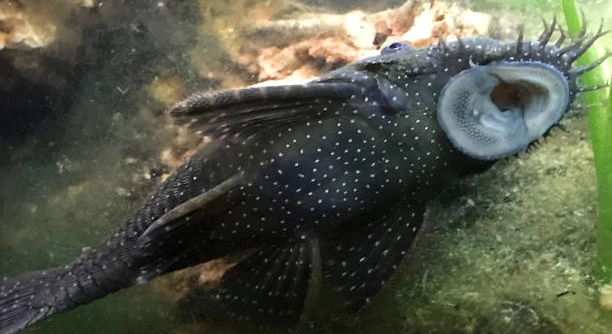
Maintaining a clean pleco tank can be a challenge, especially with all the algae buildup and waste they produce. Ensuring it stays spotless requires regular attention to detail and the right strategies for effective maintenance.
To keep your pleco’s tank spotless, frequent water changes, efficient filtration, and algae management are essential. Regularly remove debris, clean the substrate, and monitor water parameters to reduce the growth of unwanted algae.
These tips will help you maintain a cleaner tank, making your pleco’s environment healthier and more visually appealing.
Regular Water Changes Are Key
One of the easiest ways to keep your pleco’s tank clean is by doing regular water changes. Plecos are known for producing waste, which can quickly cloud the water. By changing 20-30% of the water every week, you remove a good amount of excess nutrients, keeping algae growth at bay. Consistent water changes prevent harmful toxins from building up, ensuring a healthier environment for your pleco.
Water changes are a simple yet effective tool in tank maintenance. The more frequent you are with it, the easier it becomes to control water quality. A clean tank ensures your pleco remains comfortable and happy.
In addition to reducing waste, regular water changes also help in keeping the filter from becoming too clogged with debris. As you siphon the water, you’ll also clean the substrate, making it harder for organic material to settle and rot. A cleaner substrate leads to better overall water quality and less algae growth.
Efficient Filtration System
A strong filtration system is essential for keeping your tank clean. A good filter helps maintain water clarity by removing waste particles, uneaten food, and other debris. Make sure your filter is the right size for your tank, ensuring it works efficiently to keep everything in check.
When choosing a filter, consider both mechanical and biological filtration. Mechanical filtration helps remove physical debris, while biological filtration supports the growth of beneficial bacteria that break down harmful toxins. Combining both types of filtration ensures your tank stays clean and healthy for your pleco.
A filter that is too small for your tank may struggle to keep up with the amount of waste your pleco produces. Consider upgrading if necessary. Additionally, don’t forget to clean the filter media regularly to ensure it operates effectively and maintains water clarity.
Proper Algae Control
Algae buildup can quickly turn a clean tank into a murky one. To prevent this, control lighting and feed your pleco appropriately. Overfeeding can cause excess nutrients in the water, which fuel algae growth. Feed your pleco only what it can consume in a few minutes, and remove any uneaten food promptly.
Another way to manage algae is by introducing algae-eating companions. Many aquarium species, such as certain shrimp or snails, can help keep algae under control. However, remember that they should not replace your regular cleaning efforts.
Control lighting by limiting exposure to your tank to around 8-10 hours per day. Too much light can encourage algae growth, especially if there’s a lot of organic material in the tank. A timer can help maintain consistent lighting schedules, further preventing unwanted algae.
Proper Substrate Maintenance
Regular cleaning of the substrate keeps debris from accumulating and ensures better water quality. Use a gravel vacuum to remove dirt and waste from the bottom of the tank during water changes. This prevents buildup and reduces the chances of algae growth.
The substrate is where most of the organic material in your tank settles. If left unchecked, it can become a breeding ground for harmful bacteria. A clean substrate reduces the need for excessive algae control, as less organic matter is available to fuel unwanted growth.
Rinse your substrate thoroughly before adding it to the tank, especially if it’s new. Stir it gently while cleaning to avoid disturbing the beneficial bacteria. By maintaining a clean substrate, you create a more stable environment for your pleco while also minimizing the need for constant cleaning.
Monitor Water Parameters Regularly
Keeping track of the water parameters ensures a stable and healthy tank environment. Test your water weekly for ammonia, nitrites, nitrates, pH, and hardness. Keeping these parameters balanced helps prevent algae blooms and supports the overall well-being of your pleco.
Testing kits are widely available, and knowing your tank’s chemistry can prevent potential problems before they escalate. Regular testing allows you to detect early signs of water issues, such as poor filtration or imbalanced nutrient levels. Maintaining proper parameters also reduces the likelihood of stress on your pleco, which can lead to health issues.
If you notice any imbalances in the water, make adjustments promptly. For instance, if nitrates are too high, perform a water change or clean the filter. This proactive approach ensures the water remains safe and clean for your pleco, helping to maintain a spotless tank.
Remove Excess Food Promptly
Excess food can quickly pollute your tank and lead to cloudy water. Feed your pleco only what it can consume within a few minutes, and remove any leftovers immediately. This helps maintain water clarity and prevents harmful substances from building up.
Uneaten food sinks to the bottom and breaks down into waste, which in turn leads to increased nitrate levels. By cleaning up after feeding, you reduce the risk of algae growth and keep the water quality high. A clean tank is easier to maintain when excess food is kept to a minimum.
Use a Tank Cover
Using a tank cover can help keep your tank cleaner by preventing debris from falling into the water. It also keeps water from evaporating too quickly, which means less maintenance for you.
A tank cover not only protects against dust and particles but also helps keep your pleco’s environment stable. It reduces the need for frequent water top-ups and makes cleaning easier, as fewer contaminants enter the tank. Make sure the cover allows proper ventilation to prevent overheating.
Clean Decorations Regularly
Decorations can trap dirt and waste, leading to cloudy water and potential algae growth. Cleaning them regularly ensures they stay looking nice while maintaining water quality. Gently scrub them with a soft brush during your water changes.
When cleaning decorations, be sure not to use any chemicals or harsh cleaning products, as they can harm your pleco. Instead, use warm water and a sponge or brush to remove any buildup. Regular cleaning of decorations also ensures that debris doesn’t get stuck, which could negatively affect water flow or contribute to poor water quality.
FAQ
How often should I clean my pleco tank?
Cleaning your pleco tank depends on the size of the tank and the number of plecos you have, but generally, a cleaning schedule should be followed every 1-2 weeks. Regular water changes, approximately 20-30%, help maintain the water quality and prevent excessive buildup of waste. Keep an eye on your tank’s appearance and adjust the cleaning frequency if necessary. Tanks with more plecos or other fish may need more frequent attention.
Can I use a scrub brush to clean algae off the glass?
Yes, you can use a scrub brush to clean algae off the glass, but make sure the brush is soft to avoid scratching the glass. Algae buildup is common in tanks, but cleaning it off regularly with a gentle brush helps maintain a clear view. Be sure to clean the brush often to prevent the spread of algae to other areas.
Are plecos messy?
Yes, plecos can be messy. They produce a significant amount of waste and often contribute to algae buildup. Their large size and constant foraging behavior make them less tidy compared to other fish. However, with proper tank maintenance, such as efficient filtration and regular cleaning, their mess can be managed.
How do I prevent algae growth in my pleco tank?
Algae growth can be minimized by controlling the amount of light your tank gets, keeping the water clean, and reducing nutrient buildup. Limit the light exposure to around 8-10 hours daily, and avoid overfeeding your pleco, as uneaten food contributes to nutrient overload. Adding algae-eating fish or invertebrates can help as well.
What type of filter is best for a pleco tank?
A canister filter or a hang-on-back (HOB) filter is best for a pleco tank, as they provide strong filtration. Plecos produce a fair amount of waste, so it’s important to have a filter that can handle the load. A filter with both mechanical and biological filtration is ideal, as it helps keep the water clean and reduces harmful toxins.
Can plecos live with other fish?
Yes, plecos can live with many other fish, but it’s important to choose compatible species. Plecos are peaceful, bottom-dwelling fish that generally get along well with other tank mates. However, avoid aggressive fish or those that may harm your pleco. Small, fast-moving species should also be avoided, as they might compete for food.
How do I clean the substrate in my pleco tank?
To clean the substrate, use a gravel vacuum during your regular water changes. The vacuum will suck up debris and waste from the substrate without disturbing the tank too much. Be sure to clean the substrate every time you perform a water change to prevent the buildup of organic material that can contribute to poor water quality.
Do plecos need a lot of space?
Yes, plecos need ample space to thrive. They can grow quite large, and if your tank is too small, it can lead to stress and health issues. A tank that holds at least 50 gallons is ideal for most pleco species. Bigger tanks also provide more room for them to roam and find food.
Can plecos eat algae wafers?
Yes, plecos can eat algae wafers. In fact, they are a great supplement to their diet. Algae wafers provide the necessary nutrients for plecos that may not have enough natural algae to eat in the tank. Just be sure to feed them in moderation, as overfeeding can contribute to poor water quality.
What is the best temperature for a pleco tank?
The ideal temperature range for most pleco species is between 74-80°F (23-27°C). This range helps keep your pleco comfortable and supports its metabolic functions. Make sure the water temperature remains stable by using a reliable heater, especially if your home’s temperature fluctuates.
Can plecos survive without a filter?
While plecos can technically survive without a filter for a short period, it is not recommended. Filters play a crucial role in maintaining water quality by removing waste and harmful toxins. Without a filter, the water can become polluted quickly, putting your pleco’s health at risk. Always have a functional filter in place for long-term tank success.
Why is my pleco swimming at the top of the tank?
If your pleco is swimming at the top of the tank, it may be due to low oxygen levels, water quality issues, or stress. Make sure the water is properly oxygenated by ensuring your filter is working well. Check for high levels of ammonia or nitrites, as these can cause plecos to seek oxygen at the surface.
How long do plecos live in captivity?
In captivity, plecos can live anywhere from 10 to 15 years, depending on their species and care. Providing a stable and clean environment, along with a proper diet, can help them live longer, healthier lives. Make sure to maintain a clean tank and provide enough space to allow your pleco to reach its full lifespan.
Final Thoughts
Maintaining a clean pleco tank doesn’t have to be overwhelming. With the right approach, regular maintenance, and attention to your pleco’s environment, you can keep your tank spotless and healthy. Key practices like regular water changes, substrate cleaning, and proper feeding habits all contribute to a cleaner, healthier environment. By staying on top of these tasks, you can prevent many common issues like algae overgrowth and poor water quality, which are often the result of neglect or inconsistent care.
A clean tank doesn’t just benefit your pleco; it also creates a more pleasant space for other fish and aquatic life. The healthier the tank, the better the water quality, which supports all its inhabitants. Keep an eye on your water parameters, clean decorations, and avoid overfeeding to make sure the environment remains stable. Ensuring the cleanliness of your tank will reduce stress on your pleco, helping it to thrive and reach its full potential. This also makes it easier for you to enjoy observing the fish without the distraction of cloudy water or unpleasant smells.
In the long run, a well-maintained pleco tank is a rewarding experience. Not only will your pleco be healthier, but your overall aquarium experience will be more enjoyable. By taking small but consistent steps, like maintaining a proper filtration system and removing waste, you’re investing in the longevity of your pleco and the quality of the tank. Keep a routine, stay observant, and the effort you put into maintaining your tank will pay off in a cleaner, more vibrant aquatic world.

Hello,
If you enjoy the content that we create, please consider saying a "Thank You!" by leaving a tip.
Every little bit helps us continue crafting quality advice that supports the health, happiness, and well-being of pets around the world, for pets of all shapes, sizes, and species.
We really appreciate the kindness and support that you show us!