
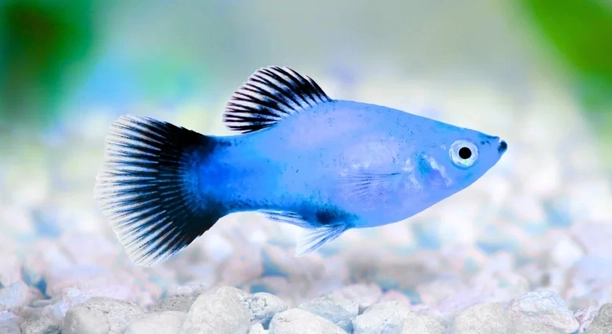
Platy fry are small and vulnerable fish that often face threats from other tank mates. Many aquarists worry about their fry getting eaten before they grow stronger. Protecting these delicate fish requires thoughtful care and specific strategies.
To keep platy fry from being eaten, it is essential to provide plenty of hiding spots, use appropriate tank mates, and maintain a well-planned feeding schedule. These measures help reduce predation risks and improve survival rates effectively.
Following these tips will help you create a safer environment for your fry to thrive and grow healthy over time.
Provide Plenty of Hiding Spots
Platy fry need safe places to hide from bigger fish that might see them as food. Adding plants like java moss, hornwort, or floating plants gives them cover and breaks up open swimming space. You can also use decorations like caves or small clay pots to create hiding spots. These safe areas reduce stress for the fry and encourage them to stay hidden until they are bigger and stronger. It’s important to avoid overcrowding the tank with too many fish, as this can make it harder for fry to find shelter. Regular maintenance of plants and decorations also keeps the environment healthy and inviting. By creating plenty of hiding spots, you increase the chances that the fry will survive and grow well. A well-structured tank is the first step in protecting your platy fry from being eaten.
Dense plants and caves create secure spaces that keep platy fry hidden from predators. These spots boost their survival.
Setting up hiding areas takes some planning but pays off in healthier, less stressed fry. It’s best to use a mix of live plants and small decorations. Plants like java moss grow fast and provide excellent cover. Floating plants reduce light, making fry feel safer. Adding small caves or half coconut shells gives firm shelters where fry can rest. When choosing tank mates, consider species that don’t hunt small fish aggressively. Keeping the tank clean and well-filtered also helps reduce stress, giving fry the best chance to grow. In my experience, fry with access to diverse hiding spots are more active and healthier, which makes a big difference over time.
Choose Compatible Tank Mates
Avoid housing platy fry with aggressive or larger fish that might eat them. Smaller, peaceful species like snails or shrimp are good companions. They won’t bother the fry and help keep the tank clean. Some small fish, like neon tetras, may be safe but always observe behavior closely. Avoid overcrowding because stress can make fry more vulnerable to attacks. Proper feeding and tank management support a peaceful community.
Selecting gentle tank mates reduces the risk of fry predation and supports a calm environment.
Certain fish, such as guppies or small rasboras, coexist well with platy fry if the tank is spacious enough. It’s crucial to provide plenty of hiding spots and monitor the tank regularly to spot any aggressive behavior early. Avoid fast or hungry fish that might chase the fry constantly. If needed, consider a separate breeding tank to raise the fry safely until they grow bigger. I have found that careful selection and observation of tank mates improve survival rates significantly. Maintaining a balanced and peaceful tank environment helps the fry develop without constant stress or threat.
Feed Fry Often and Well
Frequent feeding keeps platy fry healthy and less likely to be hunted. Small, nutritious meals several times a day are best. Avoid overfeeding, which pollutes the water and causes stress.
Platy fry require tiny, nutrient-rich foods like baby brine shrimp, crushed flakes, or specialized fry food. Feeding small portions multiple times daily ensures they get enough energy to grow quickly. When fry are well-fed, they are less likely to wander into open areas looking for food, which reduces their exposure to predators. Consistent feeding also helps maintain water quality, as leftover food can decay and harm the tank environment. I noticed that when feeding schedules were regular, the fry grew faster and stayed healthier, showing more natural behaviors.
Water quality plays a huge role in fry survival. Uneaten food can increase ammonia levels, which harms the fry and can stress adult fish, making aggression more likely. Using a gentle filter and performing regular water changes help keep the environment stable.
Use a Breeding Box or Separate Tank
A breeding box or separate tank gives fry a safe space away from other fish. This controlled environment limits exposure to predators and improves survival chances.
Separating fry early can prevent accidental predation by adult fish in the main tank. Breeding boxes allow water flow but keep fry contained and protected. A separate tank lets you control conditions more precisely, like temperature and feeding. Regular monitoring ensures fry are growing well and healthy. I’ve found that even a simple breeding box inside the main tank greatly reduces losses and lets fry mature with less risk. Transitioning fry back to the main tank should be gradual once they are large enough to avoid being eaten.
Keep the Tank Clean
Regular cleaning reduces harmful bacteria and keeps water parameters stable. Clean tanks help prevent stress in fry and adult fish, lowering the risk of attacks.
Removing uneaten food and waste promptly maintains water quality. Consistent water changes are essential for a healthy environment.
Avoid Overcrowding
Too many fish in one tank increases competition for food and hiding spots. Overcrowding leads to stress and aggression, which can harm fry. Maintaining a proper fish-to-space ratio is important for fry survival and overall tank health.
Use Plants That Grow Quickly
Fast-growing plants like hornwort and java moss provide constant cover for fry. They improve water quality by absorbing excess nutrients. Adding these plants creates a safer environment where fry can hide easily from predators and feel secure.
Monitor Fish Behavior
Watch how your fish interact regularly. Signs of aggression or chasing can indicate danger to fry. Early intervention helps prevent fry from being eaten and keeps the tank peaceful.
FAQ
How can I tell if my platy fry are safe in a community tank?
Platy fry are safest when they have plenty of hiding spots and calm tank mates. If you notice adults chasing or nipping at the fry, it’s a sign they are not safe. Clear water and regular feeding also help keep stress low, which reduces aggression toward fry. Watching fry behavior regularly is important to ensure they stay protected.
What foods are best for platy fry to grow quickly?
Small, protein-rich foods like baby brine shrimp, crushed flakes, and specialized fry pellets are ideal. These provide the nutrients fry need for healthy growth. Feeding small amounts multiple times a day keeps fry well-nourished without fouling the tank. Avoid large flakes or foods that sink too quickly, as fry might miss out on feeding.
Is it necessary to separate fry from adult fish?
Separating fry is highly recommended if your tank includes aggressive or larger fish that might eat them. Using a breeding box or a separate tank provides a safe space to grow without risk of predation. Even peaceful tanks may benefit from separation during early fry stages to improve survival rates.
How often should I clean the tank when raising fry?
Regular water changes of 20-30% every week help maintain good water quality. Removing uneaten food and waste daily prevents ammonia spikes, which are harmful to fry. Gentle filtration helps keep water clean without disturbing the fry or removing them from hiding spots.
Can plants really protect platy fry from predators?
Yes, plants like java moss and hornwort create dense cover that fry use to hide. This cover reduces visibility for predators and lowers stress for the fry. Fast-growing plants are especially helpful because they keep the tank environment balanced by absorbing excess nutrients.
What tank mates are safe to keep with platy fry?
Small, peaceful species such as snails, shrimp, or small tetras can coexist well with fry. Avoid larger or aggressive fish that hunt smaller tank mates. Observing how fish behave around fry helps identify any risk early, allowing adjustments to the tank setup.
How do I know when fry are ready to join the main tank?
Fry are usually ready once they grow to about half the size of adult platies and swim confidently without hiding too much. Introducing them gradually to the main tank reduces stress and prevents sudden attacks. Continue providing plenty of hiding spots in the main tank for their safety.
What signs show that fry are stressed or unhealthy?
Signs include lethargy, poor appetite, gasping at the surface, or constant hiding. Cloudy eyes or discoloration may also appear. These symptoms often relate to poor water quality, inadequate feeding, or aggression from other fish. Prompt action improves their chances of recovery.
Is overcrowding a common cause of fry loss?
Yes, overcrowding leads to competition for food and shelter, which increases stress and aggression. Ensuring enough space and hiding spots reduces this risk. Keeping fish numbers appropriate for tank size promotes a peaceful, healthy environment.
What role does feeding frequency play in fry survival?
Feeding small portions multiple times daily ensures fry get the nutrition they need without polluting the water. Well-fed fry are less likely to roam into dangerous areas searching for food. Consistent feeding schedules support steady growth and lower mortality rates.
Are breeding boxes hard to use?
Breeding boxes are simple tools that isolate fry safely inside the main tank. They allow water flow but protect fry from adult fish. Boxes come in different sizes and shapes, making it easy to find one that fits your setup. Using a breeding box takes minimal extra effort and can greatly improve fry survival.
Can adult platies harm their own fry?
Adult platies sometimes eat their fry, especially when hungry or stressed. Providing enough food and hiding places can reduce this behavior. Separating fry from adults during the first weeks is the safest option to prevent accidental predation.
How important is water temperature for fry growth?
Maintaining a stable temperature around 75-78°F (24-26°C) helps fry develop properly. Sudden changes in temperature can cause stress and weaken their immune system. Using a reliable heater and thermometer keeps conditions steady and favorable for growth.
What should I do if I notice aggression in my tank?
If aggression is directed at fry, increasing hiding spots and removing aggressive fish may be necessary. Sometimes lowering feeding frequency or improving water quality helps calm the tank. Monitoring fish behavior closely and acting early prevents losses.
How long does it take for platy fry to grow?
Platy fry typically grow rapidly, reaching juvenile size in 6-8 weeks with proper care. Growth depends on good feeding, water quality, and minimal stress. Providing optimal conditions ensures healthy development and stronger fish.
Is it possible to raise platy fry without a separate tank?
Yes, but it requires careful tank setup with abundant hiding places, peaceful tank mates, and regular feeding. Many hobbyists successfully raise fry in community tanks by following these guidelines. However, using a separate tank or breeding box often improves survival and reduces worry.
Platy fry are delicate and need careful attention to survive and grow in a home aquarium. Protecting them from being eaten requires a combination of good tank setup, proper feeding, and choosing suitable tank mates. Providing plenty of hiding spots helps fry avoid predators and feel secure. Fast-growing plants and decorations like caves offer places where fry can rest and hide. Keeping the tank clean and maintaining stable water quality also plays an important role in their survival. When these basic needs are met, the chances of fry growing into healthy adult fish increase significantly.
Feeding the fry small amounts several times a day ensures they get enough nutrients without polluting the tank. Using foods like baby brine shrimp, crushed flakes, or special fry food helps support their growth and development. Well-fed fry are less likely to wander into open areas where they risk being eaten. At the same time, avoiding overcrowding and aggressive fish reduces stress and predation. In some cases, separating fry in a breeding box or a separate tank is the safest option. This controlled environment protects them from larger fish until they are big enough to join the main tank safely.
Consistency and attention to detail are key when raising platy fry. Monitoring the tank regularly for water quality and fish behavior helps catch problems early. Making adjustments, such as adding more plants or changing tank mates, can improve the fry’s chances of survival. While it takes effort, the reward of seeing healthy platies grow and thrive is worth it. With patience and care, raising platy fry can be a successful and enjoyable experience for any fish keeper.

Hello,
If you enjoy the content that we create, please consider saying a "Thank You!" by leaving a tip.
Every little bit helps us continue crafting quality advice that supports the health, happiness, and well-being of pets around the world, for pets of all shapes, sizes, and species.
We really appreciate the kindness and support that you show us!