
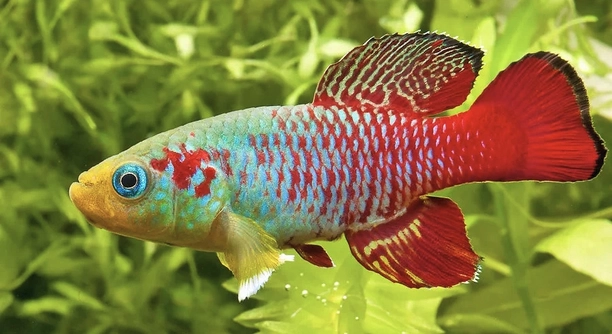
Killi fish tanks need careful attention to stay clear and healthy. Many owners struggle to keep their water clean and free from cloudiness or algae buildup. Clear water is important for the well-being of the fish and the overall tank environment.
Maintaining crystal clear water in a killi tank involves regular cleaning, proper filtration, balanced feeding, and monitoring water quality parameters consistently. These steps reduce waste buildup and prevent harmful conditions that cloud the water or stress the fish.
These tips will help you create a stable, clear environment for your killi fish to thrive and keep your aquarium looking its best.
Regular Water Changes Are Essential
Changing the water in your killi tank regularly is one of the most effective ways to keep it clear. Water changes remove excess waste, uneaten food, and toxins that accumulate over time. For a small tank, changing 20 to 30 percent of the water once a week works well. Larger tanks may require less frequent but larger water changes. Always use treated water that matches the tank’s temperature to avoid shocking the fish. This routine helps maintain the balance of beneficial bacteria that break down harmful substances naturally. Skipping water changes can quickly lead to cloudy water and unhealthy conditions. A consistent schedule keeps the environment stable and the fish comfortable, reducing stress and disease risk.
Maintaining a routine for water changes supports a clean, clear tank and healthy fish.
Regular water changes are a simple yet powerful way to prevent water problems. They reduce pollutants and keep the biological filter working efficiently. This consistent practice improves oxygen levels and prevents algae growth by removing nutrients algae feed on. By removing waste and refreshing the water, the tank stays visually clear and healthier for your killi fish. It also gives you a chance to check for any tank issues early. Remember, partial water changes are better than complete replacements, which can disrupt the tank’s natural balance. Stick to a routine, and your tank will stay clearer with less effort over time.
Proper Filtration Improves Water Quality
A good filter is key to clear water.
Filters remove debris and help maintain water chemistry by promoting beneficial bacteria growth. There are several filter types: sponge filters, hang-on-back filters, and canister filters. Sponge filters are gentle and perfect for small killi tanks. They provide biological filtration without strong currents that stress delicate fish. Hang-on-back filters are easy to maintain and offer mechanical and biological filtration. Canister filters are powerful for larger tanks but might be too strong for smaller setups. Choose one that fits your tank size and fish needs. Regularly clean the filter media to prevent clogging but avoid over-cleaning, which kills helpful bacteria. A well-maintained filter keeps water clear and fish healthy by cycling waste efficiently.
Selecting and caring for the right filter ensures the tank water stays clear and balanced, supporting the overall health of your killi fish.
Balanced Feeding Practices
Overfeeding leads to excess waste and cloudy water. Feed your killi fish only what they can eat in a few minutes, once or twice a day. Avoid leaving leftover food in the tank, as it decomposes quickly and pollutes the water.
Controlling the amount and frequency of feeding is crucial for maintaining clear water. Killi fish have small stomachs and require only small portions. Excess food that sinks to the bottom breaks down and increases ammonia levels, encouraging bacterial blooms and algae growth. By giving the right amount of food, you reduce waste and help the filtration system keep the water clean. Observe your fish while feeding and adjust amounts if you notice leftovers.
Feeding a balanced diet with proper portions prevents water cloudiness and keeps your fish healthy. It also limits organic buildup that can cause poor water quality and unpleasant odors.
Monitoring Water Parameters Regularly
Keeping an eye on water parameters helps prevent issues before they worsen. Check temperature, pH, ammonia, nitrite, and nitrate levels weekly. These factors directly affect water clarity and fish health.
Using test kits is the best way to measure these parameters accurately. Killi fish thrive in stable conditions, so sudden changes can stress them and encourage algae or bacteria growth. Ammonia and nitrite should always be near zero, while nitrate should be kept low through water changes. Temperature should match the species’ needs, usually between 20 and 24°C. pH levels around neutral or slightly acidic work best for most killi varieties.
Regular testing allows quick action if any parameter shifts out of range, preventing water cloudiness and keeping your tank safe and clear. Consistent monitoring is an important part of effective tank maintenance.
Avoid Overcrowding Your Tank
Too many fish create excess waste, making it harder to keep water clear. Stick to recommended stocking levels based on your tank size and filtration capacity. Overcrowding stresses fish and increases cleaning demands.
Proper stocking reduces waste buildup and helps maintain stable water quality. It also gives your killi fish more space to swim comfortably and lowers the risk of disease.
Use Live Plants to Improve Water Quality
Live plants absorb nutrients from fish waste and leftover food, reducing algae growth. They also produce oxygen, which helps keep the water balanced. Plants like java moss and hornwort work well in killi tanks. Regular trimming and care keep plants healthy and effective.
Clean the Substrate Regularly
Debris and waste settle on the tank bottom, causing cloudy water if left unchecked. Use a gravel vacuum during water changes to remove buildup and keep the substrate clean. This simple step helps maintain water clarity and prevents harmful toxin buildup.
Control Algae Growth
Algae can quickly cloud the water and make the tank look dirty. Limit light exposure to 8–10 hours per day and avoid direct sunlight. Regular cleaning of tank walls and decorations helps keep algae under control.
FAQ
How often should I change the water in my killi tank?
Water changes should be done weekly, replacing about 20 to 30 percent of the water each time. This frequency helps remove waste and toxins without disturbing the tank’s balance. If the tank is heavily stocked or if you notice cloudy water, more frequent changes may be needed.
What type of filter is best for a killi tank?
Sponge filters are ideal for killi tanks because they provide gentle filtration without creating strong currents. They also encourage beneficial bacteria growth. Hang-on-back filters can work well for larger tanks, but avoid filters that produce too much water movement.
Can overfeeding cause cloudy water?
Yes, overfeeding is a common cause of cloudy water. Uneaten food breaks down and releases waste, increasing ammonia and encouraging bacterial growth. Feeding only what your fish can eat in a few minutes helps prevent this problem.
How do I test water parameters?
You can buy simple test kits for ammonia, nitrite, nitrate, pH, and temperature at pet stores. Test water weekly to track changes. Follow the kit instructions carefully for accurate results and adjust your tank care based on the findings.
Why is algae growing in my tank?
Algae grows due to excess nutrients, too much light, or poor water quality. Reducing feeding, limiting light to 8–10 hours daily, and maintaining regular water changes help control algae. Adding live plants can also reduce algae by competing for nutrients.
How many fish can I keep in my tank?
A general rule is one inch of fish per gallon of water, but this depends on your tank size and filtration. Killis are small, but overcrowding still leads to poor water quality. Keep stocking levels moderate to ensure a healthy environment.
Is it necessary to clean the substrate?
Yes, cleaning the substrate with a gravel vacuum during water changes removes waste that settles on the bottom. This prevents buildup of toxins and keeps the water clear.
What temperature is best for killifish?
Most killifish do well between 20 and 24°C (68–75°F). Keeping the temperature stable within this range supports their health and reduces stress, which helps maintain clear water.
Can I use tap water for water changes?
Tap water must be treated with a water conditioner to remove chlorine and chloramine before adding it to the tank. Untreated tap water can harm fish and kill beneficial bacteria, causing water quality problems.
How do live plants help keep water clear?
Live plants absorb excess nutrients like nitrates and phosphates that feed algae. They also add oxygen to the water and provide natural filtration. Healthy plants contribute to a balanced ecosystem and clearer water.
What should I do if the water stays cloudy despite regular care?
Persistent cloudiness may indicate an imbalance in bacteria or filtration issues. Check your filter for blockages, reduce feeding, and test water parameters. Sometimes adding a bacterial supplement can help restore balance.
Can medications affect water clarity?
Certain medications can temporarily cloud water or affect beneficial bacteria. Follow dosage instructions carefully and perform water changes after treatment to restore clarity.
How important is tank maintenance for killi fish?
Regular tank maintenance, including water changes, filter cleaning, and substrate vacuuming, is essential to keep water clear and fish healthy. Neglecting these tasks leads to poor water quality and stressed fish.
What signs show my water quality is poor?
Cloudy water, unpleasant smells, algae blooms, and fish acting lethargic or gasping at the surface are signs of poor water quality. Test water parameters immediately if you notice these symptoms.
Can I use chemical water clarifiers?
Water clarifiers can help clear cloudy water quickly, but they don’t fix underlying problems. Use them as a short-term solution while addressing causes like overfeeding or poor filtration.
How do I prevent stress in killifish related to water conditions?
Maintaining stable water parameters, avoiding overcrowding, and regular cleaning reduce stress. Stressed fish are more prone to illness and can contribute to water quality issues through increased waste.
This FAQ covers common questions about keeping killi tank water crystal clear, helping you maintain a healthy and beautiful aquarium.
Keeping your killi tank water crystal clear takes regular care and attention. Following simple steps like doing consistent water changes, feeding the right amount, and using a good filter can make a big difference. These actions help remove waste and prevent the buildup of harmful substances that cloud the water. When the water is clear, your fish will be healthier and more comfortable in their environment. Clear water also makes the tank look more attractive and enjoyable to watch.
Another important factor is watching the water parameters closely. Testing things like temperature, pH, and ammonia levels on a regular basis helps catch problems early. When these levels are stable, the tank stays balanced and less prone to issues like algae or cloudy water. Using live plants can also improve water quality by absorbing extra nutrients. Keeping your tank clean and well-maintained prevents stress for your fish, which leads to a longer, happier life for them.
In the end, maintaining a clear killi tank is about creating a healthy, stable environment. It requires commitment but is not difficult once you develop a routine. Paying attention to feeding, filtration, water changes, and water testing will keep your tank in good shape. Taking these simple steps will help you enjoy your aquarium more and provide the best care for your killifish. Clear water is a sign that everything in the tank is working well together.

Hello,
If you enjoy the content that we create, please consider saying a "Thank You!" by leaving a tip.
Every little bit helps us continue crafting quality advice that supports the health, happiness, and well-being of pets around the world, for pets of all shapes, sizes, and species.
We really appreciate the kindness and support that you show us!