
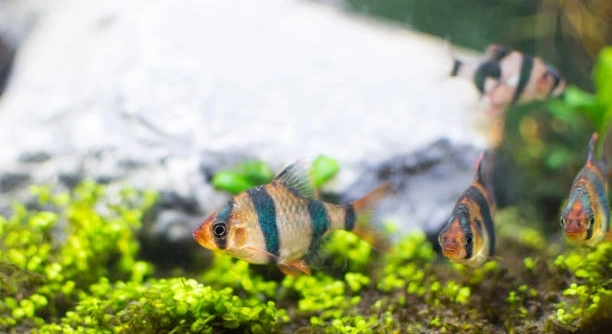
Breeding barbs can be a rewarding experience for aquarium enthusiasts who want to see their fish thrive. Ensuring the safety of these lively fish during breeding requires careful attention and proper care. This article offers practical advice to help keep your barbs healthy and secure.
Keeping barbs safe while breeding involves maintaining clean water conditions, providing adequate hiding spaces, monitoring their diet, and minimizing stress from other tank mates. Proper temperature control and careful handling are also crucial to support successful breeding and fish welfare.
These tips will guide you in creating a safe environment for your barbs and improving the chances of a healthy breeding process.
Maintain Clean and Stable Water Conditions
Keeping water clean and stable is essential for breeding barbs. Frequent water changes help remove harmful toxins like ammonia and nitrites that can stress fish. Testing water parameters regularly ensures the pH, hardness, and temperature remain within safe ranges. Barbs prefer slightly acidic to neutral water with temperatures between 74°F and 78°F. Avoid sudden changes in water conditions, as this can lead to shock or illness. Using a good filtration system maintains water quality without creating strong currents that may disturb breeding behavior. Keeping the tank environment consistent supports the health of both adult barbs and their fry.
Stable water conditions reduce stress and prevent diseases during breeding. Clean water supports strong eggs and healthy fry development.
A well-maintained aquarium creates the right environment for barbs to breed successfully. Stability in water parameters keeps fish comfortable and reduces the chance of infections. Barbs are sensitive to changes, so regular monitoring is necessary. Using gentle filtration and frequent partial water changes helps maintain balance without stressing the fish. Additionally, avoiding overfeeding reduces waste buildup, which can affect water quality. Clean tanks encourage natural breeding behavior, making it easier to observe and care for the eggs and fry. Ensuring the water environment is ideal is the foundation of successful barb breeding.
Provide Adequate Hiding Spaces and Shelter
Barbs need places to hide to feel safe during breeding.
Creating areas with plants, rocks, or decorations gives fish shelter and reduces aggression. Dense plants also provide spots for eggs to stick to and protect the fry from adults. Including floating plants can soften the light and lower stress levels. Barbs can be territorial, so hiding spaces help keep peace in the tank. This reduces injury and improves breeding success by giving fish a secure environment to spawn and care for their young.
Monitor Diet Closely
A balanced diet supports barb health during breeding. Feed high-quality flakes, pellets, and live or frozen foods to provide essential nutrients.
Feeding a variety of foods helps improve the fish’s condition and encourages spawning. Including protein-rich options like bloodworms or brine shrimp promotes egg development. Avoid overfeeding, as leftover food can pollute the tank and stress the fish. Small, frequent feedings are better than large meals. Clean any uneaten food promptly to keep water quality high. Proper nutrition strengthens the immune system and increases the chances of successful breeding.
Providing a diet rich in vitamins and minerals supports both adults and fry. Healthy parents produce stronger offspring. Supplements like spirulina or vegetable matter can aid digestion and color vibrancy. By paying attention to diet, you create a solid foundation for breeding success.
Minimize Stress from Tank Mates
Stress affects barb breeding significantly. Keep aggressive or overly active fish separate.
Stress can reduce spawning behavior and lower survival rates of eggs and fry. Barbs do better in a peaceful environment with compatible tank mates. Avoid overcrowding the tank to reduce competition and territorial fights. Introducing hiding places helps shy fish escape threats. Regular observation allows you to spot signs of stress early. Reducing disturbances and sudden changes in lighting or noise also helps keep fish calm. A stable and calm environment promotes natural breeding behavior and improves overall fish health.
Control Temperature Carefully
Barbs need stable temperatures for breeding success. Keep the tank between 74°F and 78°F.
Sudden temperature changes can stress the fish and affect spawning. Use a reliable heater and thermometer to maintain steady warmth. Consistent temperature supports egg development and fry survival.
Handle Fish with Care
Avoid rough handling to prevent injury and stress. Use a soft net when moving fish.
Minimize disturbance during breeding periods. Stress can delay spawning and reduce fertility. Gentle care ensures better health for both adults and offspring.
Remove Adults After Spawning
Adults may eat their eggs or fry if left in the breeding tank.
Separating adults after spawning protects the young and increases survival rates. This step is important for successful breeding results.
FAQ
How often should I change the water during barb breeding?
During breeding, changing about 20-30% of the water once or twice a week is ideal. This helps remove waste and toxins without causing too much stress. Avoid complete water changes, as sudden shifts can shock the fish. Consistent partial changes keep water clean and stable for eggs and fry.
What type of plants work best for hiding spots?
Soft-leaved plants like Java moss, Anubias, or Hornwort provide excellent cover for barbs and their fry. These plants offer safe places for eggs to stick and protect young fish from being eaten. Floating plants also help diffuse light, reducing stress and creating a calmer environment.
Can I breed different barb species together?
It is not recommended to breed different barb species in the same tank. Each species may have specific water, temperature, and breeding needs. Mixing species can also lead to aggression or hybrid offspring, which might not be healthy. Keep breeding pairs or groups of the same species for best results.
What signs show that barbs are ready to breed?
Barbs display vibrant colors and increased activity when ready to breed. Males may chase females gently or show courtship behavior. Females often appear fuller when carrying eggs. Observing these behaviors helps you prepare the tank and provide suitable conditions for spawning.
How long does it take for barb eggs to hatch?
Barb eggs usually hatch within 24 to 48 hours after being laid. The exact time depends on temperature and water quality. Keeping water stable and clean during this period increases hatching success. Once hatched, the fry remain small and delicate, needing careful care.
What should I feed barb fry?
Barb fry need tiny, nutritious foods. Infusoria or specially prepared liquid fry food works well for the first few days. After that, you can introduce freshly hatched brine shrimp or finely crushed flakes. Feeding small amounts multiple times a day supports healthy growth without fouling the water.
How do I prevent adults from eating their eggs?
Providing plenty of hiding spaces helps protect eggs, but often, adults will still eat them. The best solution is to remove the adults after spawning and place the eggs in a separate tank or breeding container. This reduces the risk and improves fry survival rates.
Is it necessary to use a breeder box?
A breeder box can be helpful but is not always necessary. It separates eggs or fry from adults, preventing predation. However, a well-planted tank with enough hiding places can also work if adults are not too aggressive. Consider your setup and barb behavior when deciding.
Can stress affect barb breeding success?
Yes, stress lowers breeding chances significantly. Stress can come from poor water conditions, aggressive tank mates, or sudden changes in the environment. Keeping the tank calm, stable, and clean helps barbs feel safe and encourages natural breeding behaviors.
How long should I keep the fry separate from adults?
Keep fry separated until they grow large enough not to be eaten, usually about 4-6 weeks. During this time, maintain clean water and feed appropriate foods. Once fry are strong and healthy, they can be gradually introduced to the main tank with adult barbs.
Breeding barbs can be a rewarding task when approached with care and patience. The key to success lies in creating a stable environment that meets their needs. Paying attention to water quality, temperature, and diet will help keep your fish healthy throughout the process. Providing adequate hiding spaces and managing tank mates reduces stress, which is very important for successful breeding. Small details, like gentle handling and timely removal of adults after spawning, also play a big role. By following these guidelines, you increase the chances of seeing healthy fry grow in your aquarium.
It is important to stay consistent with your care routine. Regular water changes and monitoring of water parameters prevent problems before they start. Feeding a varied and balanced diet strengthens the fish and supports egg development. At the same time, minimizing stress by keeping a peaceful tank environment encourages natural breeding behavior. Remember that barbs can be sensitive to sudden changes, so any adjustments should be made slowly and carefully. Watching your fish breed and raise young successfully can be very satisfying when you provide the right conditions.
Lastly, patience is essential. Breeding fish requires time and attention to detail. Not every attempt will be perfect, and some challenges may arise. Learning from experience and observing your fish closely will help you improve your approach. The more you understand their behavior and needs, the better your results will be. Maintaining a calm, stable environment benefits both the adults and the fry, ensuring healthier fish and a more enjoyable aquarium experience overall.

Hello,
If you enjoy the content that we create, please consider saying a "Thank You!" by leaving a tip.
Every little bit helps us continue crafting quality advice that supports the health, happiness, and well-being of pets around the world, for pets of all shapes, sizes, and species.
We really appreciate the kindness and support that you show us!