
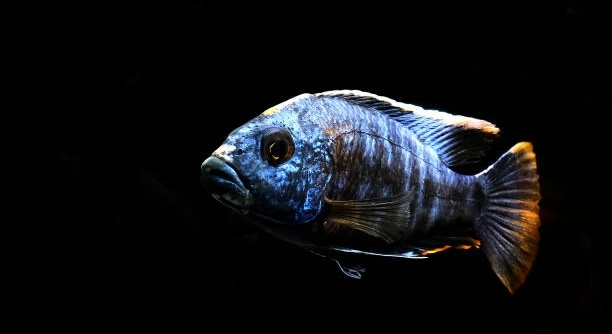
Are your African cichlid fry not surviving despite your best efforts to care for them in their early stages of life?
Keeping African cichlid fry alive requires stable water conditions, proper filtration, and a diet rich in protein. Frequent water changes, separation from adult fish, and consistent temperature levels are key to improving fry survival rates.
Simple adjustments in their tank setup and care routine can make a big difference in helping your cichlid fry grow into healthy adult fish.
Use a Separate Fry Tank
Raising African cichlid fry in a separate tank protects them from adult fish, which may see them as food. A dedicated tank also lets you control water quality and feeding more effectively. Fry tanks don’t need to be large—10 to 20 gallons is usually enough. Keep the setup simple with a sponge filter, heater, and some hiding spots using rocks or artificial plants. This setup minimizes stress and keeps the fry safe from strong currents and aggressive adults. Make sure the tank is cycled before introducing the fry to prevent sudden spikes in ammonia or nitrite.
A separate tank gives your fry a higher survival rate, making it easier to manage their growth and safety.
Clean the tank regularly, remove uneaten food, and perform partial water changes every few days. This ensures your fry have clean water and reduces the risk of illness caused by poor water conditions or leftover waste.
Feed Small, Protein-Rich Meals
Fry need frequent meals filled with protein to support fast growth and development.
Start with powdered fry food, crushed flakes, or baby brine shrimp. Feed small amounts 3–4 times a day. Overfeeding leads to dirty water, so offer only what they can eat in a few minutes. Frozen micro worms or live baby brine shrimp can boost nutrition, but remove uneaten portions to avoid fouling the water. As they grow, you can introduce finely crushed pellets or high-protein flake food. Keep a feeding schedule and monitor their activity—healthy fry swim actively and show interest in food. Proper feeding from day one can help them grow stronger and resist disease.
Maintain Stable Water Conditions
Fluctuating water parameters can quickly harm fragile fry. Keep temperature, pH, and hardness consistent to prevent stress and disease. Use a reliable heater and test the water regularly to avoid sudden changes.
Set the temperature between 78–80°F and maintain a pH around 7.8 to 8.5, depending on the species. Water hardness should be moderate to hard. Use crushed coral or aragonite substrate to stabilize pH and hardness. Avoid rapid water changes, as these can shift parameters too quickly. Instead, do small, frequent water changes—around 10–15% every two to three days. Use a water conditioner to neutralize chlorine and chloramine. Monitor ammonia, nitrite, and nitrate closely. All should be at zero except nitrate, which should stay below 20 ppm. A sponge filter is gentle and provides biological filtration, keeping the fry safe from strong currents while maintaining healthy water.
Changes in water chemistry can happen fast in small tanks. Stay consistent to keep your fry stress-free and healthy. Test weekly, especially after feedings or cleanings. If anything looks off—cloudy water, odd fry behavior, or floating debris—check your filter, remove waste, and make adjustments. These little checks can prevent larger issues before they harm your fry.
Provide Safe Hiding Spots
Fry instinctively look for shelter. Hiding spots give them a sense of security and protection from sudden movement, light, or currents. Even in a fry-only tank, having cover keeps them calm and encourages natural behavior.
Use small rocks, artificial plants, or sponge filters to give fry places to hide. Avoid sharp decorations that might harm delicate fry. Fine-leaved plants like java moss work well for tiny cichlids, offering both shelter and surfaces for biofilm growth, which they may nibble on. Dark backgrounds or dim lighting can also reduce stress. Spread hiding places throughout the tank to prevent competition among fry. Rotate decor occasionally during water changes to keep debris from collecting unnoticed. If you’re raising multiple batches, consider using tank dividers or breeding boxes with mesh sides. These allow water flow while giving smaller fry space away from larger ones. Thoughtful setup helps fry feel secure, eat better, and grow faster.
Perform Regular Water Changes
Clean water supports healthy growth and prevents illness. Do small water changes every few days, around 10–15% at a time. This keeps ammonia and nitrite levels low without stressing the fry or shifting the water parameters too quickly.
Use a siphon to remove waste from the bottom, especially after feeding. Make sure the new water matches the tank temperature and is treated with a water conditioner. Avoid cleaning everything at once to preserve helpful bacteria in the filter. A steady routine helps fry stay active and free from stress-related issues.
Monitor Fry Growth Closely
Check on your fry daily. Look for signs of healthy development like active swimming, full bellies, and growing fins. If you notice uneven growth or weak movement, adjust feeding portions or check water conditions. Remove sick or unusually slow-growing fry, as they may fall behind or risk spreading illness. Keeping track of size differences can also help you group them by stage, which reduces bullying and competition during feeding. If possible, keep a simple log of their size and feeding habits each week. Staying alert helps catch issues early and encourages steady, healthy growth throughout their early stages.
Avoid Overcrowding
Too many fry in one tank can cause stress, water quality problems, and slower growth. Spread them out when space allows to reduce competition and keep conditions more stable.
FAQ
How long should African cichlid fry stay in the fry tank?
Keep African cichlid fry in their separate tank until they are large enough not to be eaten or bullied by adult fish—usually around 1 inch in length. This can take 4 to 8 weeks depending on the species and feeding. During this time, monitor their size, behavior, and how well they’re eating. If you notice slower growth in some, wait longer before moving them. Introducing fry too early can lead to injuries or loss. Once they’re big enough and swimming confidently, you can gradually acclimate them to the main tank over a few days.
How often should I feed the fry?
Feed African cichlid fry 3 to 4 times daily in small amounts. Since they burn energy quickly and need protein-rich food for growth, frequent meals are important. Use crushed flakes, baby brine shrimp, or powdered fry food. Offer only what they can finish in 2–3 minutes. Uneaten food will dirty the water and increase the risk of illness. Once fry begin to grow, you can slowly reduce feedings to 2–3 times a day while introducing larger food particles. Keep a consistent schedule, and don’t skip feedings during their early growth stage.
What type of filter should I use in the fry tank?
Use a sponge filter in the fry tank. Sponge filters are gentle and provide both mechanical and biological filtration without sucking in small fry. They also create light water movement, which helps keep oxygen levels up without stressing young fish. Avoid strong power filters, especially those with exposed intakes, as these can pull fry in or create currents that are too strong. If you must use another type of filter, cover the intake with a sponge or mesh. Rinse the sponge filter weekly in tank water to keep it clean and working efficiently.
Why are some of my fry not growing?
Uneven growth in fry is usually caused by competition for food, water quality issues, or genetics. Larger fry may outcompete smaller ones during feeding, so make sure food is spread out and reaches everyone. Poor water conditions—like high nitrates or low oxygen—can slow development. Use water tests regularly and check for leftover food or debris. Some fry may naturally grow slower due to weaker genetics. If needed, separate faster-growing fry from the smaller ones to avoid stress or bullying. Keep feeding protein-rich meals and maintain stable tank conditions for better growth.
Can I keep different species of African cichlid fry together?
It’s best to keep different species separate if possible. Some fry grow faster or become more aggressive than others, which can cause stress or injuries. Also, if they’re closely related species, you risk crossbreeding later if males and females grow up together. If space is limited and you must raise them together, watch closely for signs of aggression or uneven growth. Grouping fry by size rather than species can help, but it’s still safer to separate them once they show signs of dominance or territorial behavior.
How can I tell if fry are healthy?
Healthy fry swim actively, eat eagerly, and have clear eyes and full bellies. Their fins should be intact and not clamped against their bodies. Lethargy, pale coloring, or gasping near the surface can signal stress or poor water quality. If you notice anything off, check water temperature, ammonia, and nitrite right away. A slight color change may also be normal as they grow and mature, but sudden changes should be watched closely. Healthy fry also tend to grow steadily and show interest in their surroundings.
Do I need lighting in the fry tank?
Yes, but keep it soft and not too bright. Fry benefit from a light cycle that helps regulate feeding and behavior, but too much light can cause stress. Use a low-intensity aquarium light for around 8–10 hours daily. Avoid strong overhead lighting or placing the tank in direct sunlight. Dim lighting also encourages fry to stay near hiding spots, which helps them feel more secure. If fry scatter and hide constantly, the light may be too intense. Adjust the brightness and use tank covers or floating plants to soften it.
Should I use a heater in the fry tank?
Yes, a heater is necessary to keep the temperature steady, especially if the room temperature fluctuates. African cichlid fry thrive in warm water—ideally between 78°F and 80°F. Cold or changing temperatures can slow growth or lead to illness. Use a reliable aquarium heater with a thermometer to monitor the water closely. Avoid large swings in temperature during water changes by letting new water reach tank temperature before adding it. Consistency is more important than hitting an exact number, so aim to keep it within a narrow range throughout the day.
Final Thoughts
Raising African cichlid fry can feel a bit overwhelming at first, but once you understand the basics, it becomes easier with time. Giving them a safe space to grow, feeding them properly, and keeping their water clean are the most important steps. Even small changes in their care can make a big difference in survival and growth. You don’t need expensive equipment or a large setup. A simple, well-maintained tank with the right conditions will do the job. Pay attention to their behavior and appearance. Active swimming, clear eyes, and full bellies are good signs that they are doing well.
Consistency is key. Sudden changes in water temperature, pH, or feeding routines can stress fry and lead to health problems. Keep a routine you can stick to—regular water changes, gentle filtration, and stable feeding times. Use a thermometer and test kit to monitor water parameters. If something looks off, act quickly to fix it. Many problems with fry survival can be avoided just by keeping the tank clean and stable. Don’t be afraid to adjust your setup as your fry grow. What works for one stage may need to be changed later as they become stronger and more active.
It’s okay to lose a few fry, especially during your first attempts. Not all will survive, even under the best care. What matters most is learning what works and making small improvements each time. If you keep records of what you feed, how often you clean, and how the fry respond, you’ll start to notice patterns that help you improve. Over time, you’ll build confidence and develop your own routine that works best for your fish. Watching them grow from tiny fry into colorful young fish is a rewarding process, and with a little care, patience, and attention, you’ll give them the best chance to thrive.

Hello,
If you enjoy the content that we create, please consider saying a "Thank You!" by leaving a tip.
Every little bit helps us continue crafting quality advice that supports the health, happiness, and well-being of pets around the world, for pets of all shapes, sizes, and species.
We really appreciate the kindness and support that you show us!