
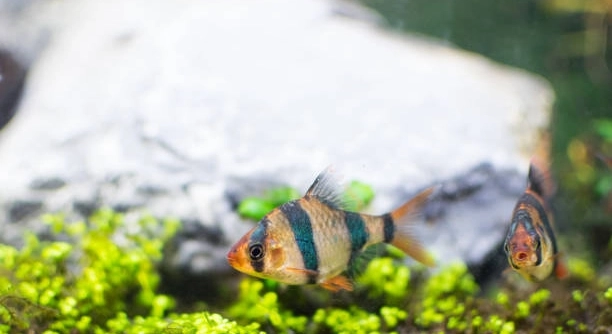
Introducing new barbs to an aquarium can be a delicate process. Many fishkeepers face challenges when mixing these active fish with established tank mates. Proper steps help reduce stress and avoid unnecessary conflicts in the aquatic environment.
Successful introduction of new barbs requires careful acclimation, monitoring of fish behavior, and providing ample space and hiding spots. Gradual adjustment to the new environment and minimizing sudden changes can prevent aggressive behavior and promote harmony.
These tips offer practical guidance to keep your aquarium peaceful and your fish healthy during new additions. Following them will help make the transition smoother for everyone involved.
Prepare the Tank Before Introducing New Barbs
Before adding new barbs, it is important to prepare the tank properly. Clean the tank thoroughly, removing any debris and leftover food. Check water parameters such as temperature, pH, and ammonia levels to ensure they are within safe ranges for all fish. Adding extra hiding spots like plants, caves, or decorations gives both new and existing fish places to retreat and reduce stress. Space is essential to prevent territorial disputes. Also, consider reducing feeding a day before introduction to keep the new barbs more interested in their new environment and less aggressive toward other fish. Preparing the tank carefully creates a balanced environment that helps reduce tensions when new fish arrive.
Preparing the tank carefully can improve the chances of a smooth introduction. It sets the stage for peace and health in your aquarium.
Taking time to prepare your tank shows respect for your fish’s well-being. It helps prevent problems that often arise from sudden changes and overcrowding. The new barbs will adjust better when they have space and hiding spots. Monitoring water quality ensures the environment stays safe, avoiding stress-related illnesses. Remember that a clean, stable tank supports healthy fish behavior. By preparing the tank beforehand, you create a peaceful setting where fish can settle without fear or competition. This step is crucial to avoid the drama that sometimes occurs when new barbs are introduced abruptly.
Acclimate New Barbs Slowly
Acclimating new barbs slowly helps reduce shock and aggression.
Use a drip acclimation method or float the sealed bag in the tank for at least 30 minutes. Slowly mix tank water with the water the new fish arrived in before releasing them. This gradual adjustment reduces stress and allows the fish to get used to temperature and water chemistry differences. Rushing this process often leads to aggression or health issues.
Slow acclimation is one of the best ways to ensure your new barbs settle peacefully. Proper patience here can save you time and trouble later.
Introduce New Barbs During Low Activity Periods
Introducing new barbs when the tank is less active helps minimize immediate confrontations. Early morning or late evening are usually calmer times for fish.
Adding new barbs during these quiet periods reduces stress for all fish. The established barbs are less likely to be territorial or aggressive because they are less active. This timing helps new fish settle more easily without facing intense attention. It also gives the new barbs time to explore their surroundings calmly.
Avoiding peak activity times lessens the chance of chasing or bullying. When new barbs enter a calm environment, they feel safer. This helps them adapt more quickly and lowers overall tank stress, leading to a smoother transition.
Monitor Behavior Closely After Introduction
Monitoring fish behavior immediately after introduction is crucial to catch early signs of stress or aggression.
Watch for chasing, nipping, or hiding, as these can signal problems. Keep an eye on the new barbs and the existing fish, making sure no one is being overwhelmed. Separate aggressive fish if needed to prevent injury. Record any unusual behavior to track changes over time. Early intervention helps maintain balance in the tank and promotes a peaceful atmosphere.
Taking notes on fish behavior helps you understand their interactions and adjust care routines. This attention supports quick responses to conflicts and ensures the well-being of all fish. Timely monitoring can prevent minor issues from becoming serious problems. Regular observation is key to maintaining harmony when new barbs join your aquarium.
Maintain Proper Feeding Routine
Keep feeding times consistent to avoid stress and aggression. Overfeeding or sudden changes can cause competition and fights.
Provide enough food so all fish get their share. Using floating or sinking pellets can help distribute food evenly and reduce tension during meals.
Use Tank Dividers if Needed
Tank dividers create a safe space for new barbs. They allow fish to see each other without direct contact. This reduces aggression while the new fish adjust to their surroundings. Dividers can be removed gradually as the fish become comfortable together.
Provide Plenty of Hiding Places
Hiding spots reduce stress and prevent bullying. Dense plants, rocks, and decorations offer refuge to shy or weaker fish. This helps balance aggression and gives new barbs safe areas during their adjustment period.
Avoid Overstocking the Tank
Too many fish cause overcrowding and increase conflict. Keep the number of barbs and other fish within tank capacity to maintain harmony and good water quality.
FAQ
How can I tell if my new barbs are settling in well?
New barbs that settle in will start exploring their environment within a few hours to days. They will swim confidently, eat regularly, and interact calmly with other fish. Watch for reduced hiding and signs of normal behavior such as swimming in groups or investigating plants and decorations. Avoidance or constant hiding may mean stress or illness.
What should I do if my barbs become aggressive after introduction?
If aggression occurs, first try increasing hiding spots and rearranging tank decorations. This breaks up established territories and reduces conflict. If aggression continues, separate the aggressive fish using a tank divider or quarantine tank. Avoid adding too many new barbs at once, as overcrowding often increases aggression. Regular monitoring and adjustments are key to managing behavior.
Is it better to add multiple new barbs at the same time or one by one?
Adding several new barbs at once usually works better. They can form their own group, which reduces bullying from the established fish. Introducing one fish alone often leads to it being singled out and stressed. However, make sure the tank has enough space and hiding places to support the increased number.
How long does it usually take for new barbs to fully adjust?
Adjustment can take from a few days up to two weeks. This depends on the tank conditions, fish personalities, and how carefully the introduction was done. Patience is important. Keep monitoring behavior and water quality during this time to ensure a smooth transition.
Can I use medications to reduce stress or aggression?
Medications should be used cautiously and only when necessary. Some products help reduce stress or treat injuries, but they may also affect beneficial bacteria in the tank. It is best to focus on proper acclimation, tank preparation, and environmental enrichment first. Consult an expert or veterinarian before using any treatments.
What water parameters are best for barbs during introduction?
Stable water conditions are essential. Most barbs prefer temperatures between 74°F and 79°F (23°C–26°C), a pH around 6.5 to 7.5, and low ammonia and nitrite levels (close to zero). Regular testing before and after introduction helps avoid sudden changes that cause stress and aggression.
Should I quarantine new barbs before adding them to the main tank?
Quarantining new fish is highly recommended. A separate quarantine tank for two to four weeks allows you to monitor health and treat any diseases before introducing them to the main aquarium. This practice helps protect existing fish and reduces stress during introduction.
What signs indicate that a barb is sick or stressed after introduction?
Look for clamped fins, rapid breathing, loss of appetite, lethargy, or unusual swimming patterns like erratic darting or hiding constantly. Physical signs include faded colors, spots, or injuries. Early detection is crucial to prevent spread and promote recovery.
Can barbs live peacefully with other fish species?
Barbs can coexist with many peaceful or semi-aggressive species if the tank is large enough and hiding places are provided. Avoid mixing them with very slow-moving or long-finned fish, as barbs may nip fins. Proper species selection and tank setup promote peaceful community living.
How important is tank size when introducing new barbs?
Tank size matters greatly. Larger tanks reduce territorial disputes by providing more space and hiding spots. Overcrowding often leads to stress and aggression. A minimum of 20 gallons is recommended for a small group of barbs, with additional space needed as the group grows.
What role do plants play when introducing new barbs?
Live or artificial plants create natural barriers and hiding places that reduce aggression. They help new barbs feel secure and give established fish less reason to defend specific areas. Plants also improve water quality and create a more natural environment, supporting overall fish health.
Can I introduce new barbs if I already have aggressive fish in the tank?
Introducing new barbs into a tank with aggressive fish is risky. Aggressive residents may attack newcomers, causing injury or stress. It is better to either separate the aggressive fish temporarily or choose a more peaceful tank environment. Managing aggression carefully improves chances of success.
How often should I observe my aquarium after adding new barbs?
Daily observation is ideal, especially during the first two weeks. Watching behavior, feeding, and water clarity helps detect problems early. Taking notes on interactions can guide decisions if changes are needed. Consistent monitoring supports a healthy and peaceful tank.
What if the new barbs refuse to eat after introduction?
Refusal to eat is common in stressed fish. Offer high-quality, varied food and feed smaller amounts more frequently. Make sure water conditions are stable and hiding spots are available. If refusal continues beyond several days, check for illness or environmental issues.
Is it necessary to rearrange tank decorations when adding new barbs?
Rearranging decorations can disrupt established territories and reduce aggression. It gives all fish a chance to explore a changed environment and form new boundaries. Doing this right before or after introduction helps create a fair space for newcomers and residents.
How can I encourage peaceful behavior among barbs?
Maintaining good water quality, providing enough space and hiding spots, consistent feeding, and avoiding overcrowding encourage peaceful behavior. Introducing new barbs slowly and monitoring interactions helps identify and manage conflicts early. Stress reduction is key to harmony in the tank.
Introducing new barbs into an aquarium requires careful planning and attention. Following the right steps helps reduce stress and aggression among fish. Preparing the tank properly, acclimating new barbs slowly, and providing enough hiding places create a peaceful environment. These measures allow the fish to adjust gradually to their new home. When done correctly, introducing new barbs can be a smooth process with minimal drama.
It is important to monitor fish behavior closely after introduction. Watching for signs of aggression or stress allows quick intervention before problems worsen. Keeping a consistent feeding routine and avoiding overcrowding also play a major role in maintaining harmony. Using tank dividers or rearranging decorations can help reduce conflicts if needed. Patience and observation are essential throughout the process to ensure all fish remain healthy and comfortable.
New barbs need time to settle and feel secure. Understanding their behavior and providing a stable environment supports their well-being. A clean, spacious tank with proper water conditions promotes peaceful coexistence. Avoid rushing the introduction or ignoring early signs of trouble. With careful care, new barbs will thrive alongside existing fish, making your aquarium a balanced and enjoyable space.

Hello,
If you enjoy the content that we create, please consider saying a "Thank You!" by leaving a tip.
Every little bit helps us continue crafting quality advice that supports the health, happiness, and well-being of pets around the world, for pets of all shapes, sizes, and species.
We really appreciate the kindness and support that you show us!