
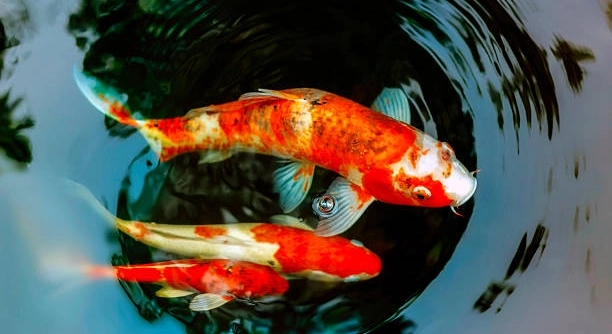
Keeping water moving in koi ponds is important for the health of the fish and the overall pond environment. Proper circulation helps prevent stagnation and supports oxygen levels. Many pond owners seek simple ways to improve water flow for their koi.
Improving water circulation in koi ponds involves several practical methods, such as installing pumps, using aerators, adjusting waterfall flow, and regularly cleaning filters. These steps ensure efficient water movement, enhancing oxygen distribution and preventing harmful buildup.
Better water circulation can help maintain a balanced pond ecosystem and keep your koi healthier for longer. This article will share effective tips to improve your pond’s water flow with ease.
Choosing the Right Pump for Your Koi Pond
Selecting the correct pump is one of the most important steps to improve water circulation. A pump moves water through the pond’s filtration system and helps distribute oxygen evenly. When choosing a pump, consider the size of your pond and the flow rate it needs. A pump that is too weak won’t move enough water, leading to stagnant areas where debris can collect. On the other hand, a pump that is too strong can stress the fish and disrupt the pond’s balance.
Look for pumps that are energy-efficient and designed specifically for koi ponds. Many models come with adjustable flow rates, allowing you to fine-tune circulation as needed. It’s also useful to choose a pump that is easy to maintain, as regular cleaning helps keep the system working well.
A well-chosen pump keeps water moving steadily and supports a healthy pond environment. It ensures that all parts of the pond benefit from fresh, oxygen-rich water.
Using Aerators Effectively
Aerators help add oxygen to the water, which is vital for koi health. They work by creating bubbles that increase surface agitation and oxygen exchange.
Positioning Aerators and Pumps Correctly
Correct placement of aerators and pumps can make a big difference in water circulation. Aerators should be placed where water movement is minimal, often near the pond’s bottom or edges, to push oxygen into deeper areas. Pumps should be positioned to create a gentle current that moves water evenly throughout the pond.
Avoid placing equipment in spots where water flow is already strong, as this can cause turbulence and stress the fish. Instead, focus on dead zones where water tends to stagnate. By targeting these areas, you ensure that the entire pond benefits from improved circulation.
Proper positioning also helps keep debris suspended so it can be captured by filters. This reduces buildup on the pond floor and keeps the environment cleaner. Adjusting your equipment placement seasonally can address changing water temperatures and oxygen needs. A careful setup improves overall water quality and fish wellbeing.
Regularly Cleaning Filters
Keeping filters clean is essential for good water circulation. Dirty filters block water flow, reducing oxygen levels and causing buildup of harmful substances.
A clogged filter slows down the pump, making circulation uneven. Cleaning or replacing filter media regularly keeps water flowing smoothly. It also helps remove debris and waste, improving overall water quality. Filters work best when they are free of algae and dirt, so schedule maintenance based on how quickly your pond accumulates debris.
Proper filter care extends the life of your equipment and supports a healthier environment for your koi. Neglecting this task often leads to stagnant water and increased stress for fish.
Adding Waterfalls and Streams
Waterfalls and streams increase circulation by moving water and creating surface agitation. They also improve oxygen exchange naturally. Adding these features can turn stagnant areas into lively, flowing water zones.
Besides circulation, waterfalls help trap debris by pushing it toward filters. They also create a soothing sound, which adds to the pond’s peaceful atmosphere. Water movement from waterfalls breaks the surface tension, helping gases like carbon dioxide escape while oxygen enters.
Installing waterfalls requires careful planning of pump size and placement to avoid excessive flow that can disturb koi. With proper design, waterfalls balance function and beauty, enhancing both circulation and the pond’s appearance. Regularly check these features to prevent blockages that could reduce water flow.
Preventing Dead Zones
Dead zones are areas where water does not circulate well, causing debris buildup and low oxygen. Identifying and addressing these spots helps keep the pond clean and healthy.
Using additional pumps or repositioning existing equipment can eliminate dead zones. Ensuring even flow throughout the pond prevents stagnant pockets and supports koi wellbeing.
Using Proper Pond Design
A well-designed pond encourages natural water movement. Sloped bottoms, smooth edges, and strategic inlet and outlet placement help water flow freely. Proper design also makes cleaning easier and supports filtration efficiency.
Incorporating features like shelves for plants or gradual depth changes can improve circulation while providing safe spots for koi. These design choices reduce the chance of stagnant water and improve overall pond health.
Monitoring Water Quality
Regularly testing water parameters helps detect issues caused by poor circulation. Keep an eye on oxygen, ammonia, and nitrate levels to ensure a healthy environment.
FAQ
How often should I clean my koi pond pump and filters?
It’s best to clean your pump and filters at least once a month during the active season. If your pond is in a leafy area or gets a lot of debris, you might need to clean them more often. Regular cleaning prevents clogs and keeps water flowing well, which is important for your koi’s health.
What type of pump is best for small to medium-sized koi ponds?
For small to medium ponds, a pump that can circulate the entire volume of the pond at least once every two hours is ideal. Look for energy-efficient models with adjustable flow rates. Submersible pumps are common and easy to maintain, but external pumps offer more power for larger ponds.
Can I add more than one pump to improve circulation?
Yes, adding multiple pumps can help eliminate dead zones by moving water from different areas of the pond. Just be sure not to create too strong a current that might stress the fish. Using smaller pumps in different locations often works better than one large pump.
How do waterfalls and streams help with pond circulation?
Waterfalls and streams increase oxygen levels by agitating the water surface. This movement improves gas exchange, helping oxygen enter the pond while carbon dioxide escapes. They also push water toward filters, helping trap debris and maintain clearer water.
Is it necessary to have an aerator in my koi pond?
An aerator is very useful, especially in warmer months when oxygen levels can drop. Aerators create bubbles that help oxygen mix into deeper parts of the pond. This keeps fish healthy and supports beneficial bacteria that break down waste.
What causes dead zones in a pond, and how do I fix them?
Dead zones happen when water doesn’t circulate well in certain areas, often corners or deep spots. These zones collect debris and have lower oxygen. Fix them by adding pumps or aerators targeted to these spots, or by repositioning existing equipment to improve flow.
Can plants affect water circulation in koi ponds?
Yes, plants can both help and hinder circulation. Floating and marginal plants provide shelter and improve water quality by absorbing nutrients. However, dense plant growth can block water movement. Regular pruning keeps plants healthy and prevents blockage.
How does pond design influence water circulation?
A pond with smooth edges, gradual depth changes, and well-placed inlets and outlets encourages natural water flow. Sloped bottoms help debris move toward drains or filters. Good design reduces stagnant areas and supports even oxygen distribution.
How do I know if my koi pond has poor circulation?
Signs include cloudy water, algae buildup, dead spots with debris, and stressed or sluggish fish. Low oxygen can cause fish to gasp at the surface. Regular observation helps catch problems early before they worsen.
Can weather affect water circulation in koi ponds?
Yes, warmer weather lowers oxygen levels and can slow water movement if pumps are too weak. Heavy rain may temporarily increase circulation but also introduce debris. Adjusting pump settings seasonally helps maintain good flow year-round.
What maintenance tips help keep water circulation optimal?
Besides cleaning filters and pumps, check for algae growth on equipment and remove any blockages. Inspect hoses and connections for leaks or kinks. Seasonal tuning of pump speed and repositioning aerators improve flow as conditions change.
Is there a risk of over-circulating my koi pond?
Too much water movement can stress koi by causing strong currents or turbulence. This can tire the fish and disrupt plants or pond features. It’s important to balance circulation for adequate flow without creating harsh conditions.
How do I improve circulation in a pond with uneven depths?
Using multiple pumps placed at different depths helps move water throughout the pond. Aerators near the bottom oxygenate deeper areas. Designing waterfalls or streams to reach lower levels also encourages mixing and prevents stagnation.
Are there any simple DIY ways to boost pond circulation?
Adjusting pump placement, adding a small fountain, or installing a solar-powered aerator are easy fixes. Even moving debris away from drains and cleaning pond bottoms regularly can help improve flow without major equipment changes.
Maintaining good water circulation is essential for a healthy koi pond. When water moves well, it helps keep oxygen levels high and prevents the buildup of harmful substances. This creates a better environment for koi fish to live and grow. Using the right pump, placing equipment correctly, and keeping filters clean are all simple steps that make a big difference. Even small changes can improve circulation and water quality, which keeps your pond looking nice and your fish happy.
Regular maintenance is key to making sure circulation stays strong throughout the year. Cleaning filters and pumps prevents clogs that slow water flow. Watching for dead zones or areas where water seems still helps you spot problems early. Adding features like waterfalls, streams, or aerators can also support circulation naturally. These features not only move water but also add oxygen, which is important for fish and beneficial bacteria. Keeping up with these tasks takes some effort but pays off with a healthier pond.
Good pond design is another important factor to consider. Smooth edges, gentle slopes, and well-placed inlets and outlets help water flow evenly. Proper design reduces places where water can become stagnant. If you already have a pond, adjusting pump positions or adding more equipment can fix circulation problems. Remember, the goal is balanced water movement—not too fast or too slow. This balance helps protect your koi and keeps the pond environment stable all year long. Taking care of circulation ensures your koi pond remains a peaceful and thriving space.

Hello,
If you enjoy the content that we create, please consider saying a "Thank You!" by leaving a tip.
Every little bit helps us continue crafting quality advice that supports the health, happiness, and well-being of pets around the world, for pets of all shapes, sizes, and species.
We really appreciate the kindness and support that you show us!