
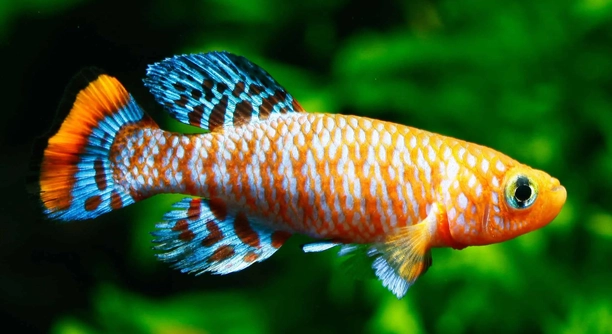
Killi fish eggs can be delicate and require special care to survive. Many hobbyists want to improve their chances of hatching healthy fry. Small changes in handling and environment can make a big difference in survival rates.
Improving killi egg survival involves maintaining proper water conditions, gentle handling, and preventing fungal infections. Consistent temperature, clean water, and careful monitoring reduce risks and promote healthy development in eggs.
These tips offer practical ways to help your killi eggs thrive and increase the number of healthy fry you raise.
Maintaining Stable Water Conditions
Keeping water stable is one of the most important steps for killi egg survival. Sudden changes in temperature or pH can stress the eggs and cause them to fail. It is best to use a reliable heater to maintain a steady temperature, usually between 22 and 26°C (72 to 79°F). Monitoring the water’s pH and hardness ensures it stays within a range suitable for the species you have. Frequent water changes are helpful, but they must be done carefully to avoid shocking the eggs. Using aged, dechlorinated water for changes reduces chemical stress. Avoid overcrowding the breeding tank to keep the water clean and oxygen-rich. Gentle aeration helps oxygen flow but should not create strong currents that may damage the eggs. With consistent water conditions, the eggs have a better chance to develop properly without interruption from environmental stress.
Regular testing of water parameters is key to spotting issues before they harm the eggs.
Handling water with care improves egg health and keeps the tank environment safe and supportive.
Preventing Fungal Growth on Eggs
Fungal infections are common problems that can destroy killi eggs if left untreated. The fungi spread quickly, covering the eggs with a white, fuzzy layer and killing the developing embryos inside. To avoid this, removing dead or unfertilized eggs promptly is essential because they encourage fungal growth. Many breeders use antifungal treatments or natural remedies, like adding a small amount of methylene blue or aquarium salt, to protect healthy eggs. It is important to use these treatments carefully, following instructions to avoid harming the eggs or fish. Maintaining clean water and good filtration also reduces the chance of fungus appearing. In some cases, separating the eggs into a different container helps protect them from fungus and allows for closer monitoring. Paying attention to these details helps keep the eggs free from harmful infections and increases the likelihood of successful hatching.
Gentle Handling of Eggs
Killi eggs are fragile and require careful handling to avoid damage. Rough movements or dropping eggs can reduce survival rates. Using soft tools or your fingers gently to move or clean eggs helps keep them intact.
When moving eggs, it is best to use a small soft brush or a gentle suction device designed for aquariums. Avoid squeezing or applying pressure, which can crack or bruise the eggs. If transferring eggs to another container, ensure the water conditions are the same to reduce shock. Handling eggs only when necessary limits stress and potential harm. Clean hands or tools also help prevent introducing contaminants that might affect the eggs.
It’s helpful to have a calm approach while managing eggs, focusing on slow, smooth movements. This reduces the chance of accidentally breaking them and supports healthy development through every stage.
Proper Nutrition for Adult Killifish
Healthy adult killifish produce better-quality eggs, which improves survival rates. Feeding a varied diet rich in protein supports their reproductive health. Include live or frozen foods such as bloodworms, daphnia, and brine shrimp alongside high-quality flakes or pellets. Feeding small amounts multiple times a day encourages consistent nutrition without overfeeding.
Supplementing their diet with vitamins and minerals helps strengthen both the adults and their eggs. Avoid feeding only one type of food, as it may lack essential nutrients. Keeping adult fish healthy and well-fed contributes directly to the strength and viability of the eggs they lay. A well-balanced diet helps ensure the eggs are more resilient during incubation, leading to a higher chance of hatching healthy fry.
Using the Right Spawning Substrate
Choosing the right spawning substrate helps protect the eggs from damage. Moss, peat, or fine sponge materials work well to hold eggs gently and keep them moist. These substrates also provide hiding spots for the eggs, reducing stress.
Regularly check the substrate for debris or dead eggs. Cleaning it carefully helps prevent fungal growth and keeps the eggs healthy.
Controlling Light Exposure
Killi eggs develop best with controlled light exposure. Too much direct light can cause temperature spikes and stress the eggs, while too little light may slow development. Moderate, indirect lighting helps maintain stable conditions.
Monitoring Egg Development
Careful observation of egg development is important to catch problems early. Watch for signs of fungus, discoloration, or damage. Removing unhealthy eggs promptly prevents spread to healthy ones.
Keeping a close eye on the eggs helps ensure better survival rates by addressing issues before they worsen.
FAQ
How long do killi fish eggs take to hatch?
Killi fish eggs usually hatch within 10 to 14 days, depending on the species and water conditions. Temperature plays a big role—warmer water speeds up development while cooler water slows it down. Maintaining a stable temperature around 24°C (75°F) helps ensure consistent hatching times.
Can I keep killi eggs in the same tank as the adults?
It is not recommended to keep eggs with adult killi fish. Adults may eat the eggs or disturb them accidentally. Separating the eggs into a dedicated breeding or hatching tank improves their chances of survival by reducing stress and predation.
What signs show that killi eggs are healthy?
Healthy eggs are usually clear or slightly translucent with visible developing embryos inside. They appear smooth and firm without any fuzzy white patches, which can indicate fungal infections. Eggs that turn cloudy or have dark spots may be dead or infected and should be removed.
How do I treat fungal infections on killi eggs?
Fungal infections can be treated with antifungal solutions like methylene blue or aquarium salt added in small amounts. Follow instructions carefully to avoid harming the eggs. Regularly removing dead eggs and maintaining clean water also prevents fungus from spreading.
Is it necessary to use a heater for killi eggs?
Using a heater helps keep water temperature stable, which is important for egg development. Fluctuations in temperature can delay hatching or cause eggs to fail. A heater set to a constant temperature between 22 and 26°C (72 to 79°F) is ideal.
Can I use tap water for the breeding tank?
Tap water can be used if it is properly treated to remove chlorine and chloramines, which are harmful to eggs and fry. Using a water conditioner and letting the water sit for 24 hours before use helps make tap water safe. Testing pH and hardness ensures the water suits the species.
How often should I change the water during incubation?
Small, frequent water changes help keep conditions clean without shocking the eggs. Changing about 10-20% of the water every few days is recommended. Always use water that matches the tank’s temperature and chemistry to avoid stress.
Should I turn the eggs during incubation?
Most killi fish eggs do not need to be turned during incubation. Turning them can damage the embryos or cause fungal infections. It’s better to leave eggs undisturbed on the substrate or in a safe container with gentle water flow.
What can I feed newly hatched killi fry?
Newly hatched fry need tiny, nutritious food like infusoria, newly hatched brine shrimp, or finely crushed flakes. Feeding small amounts several times a day supports healthy growth. It’s important to keep the water clean by removing leftover food quickly.
How can I tell when the eggs are ready to hatch?
Just before hatching, the embryos become more visible and active inside the eggs. You might see movement or small eyes appearing. The eggs may also darken slightly. Hatching usually happens shortly after these signs appear.
Is it normal for some eggs not to hatch?
Yes, not all eggs will hatch. Some may be infertile or damaged during laying or handling. Removing dead eggs quickly helps protect the healthy ones. Expecting some loss is part of breeding killi fish.
Can I store killi eggs for later hatching?
Killi eggs can sometimes be stored in cool, moist conditions to delay hatching, but this requires careful control of temperature and humidity. It’s tricky and not always successful, so it’s usually best to incubate eggs immediately in proper water conditions.
How important is water hardness for killi egg survival?
Water hardness affects egg development in some killi species. Many prefer slightly soft to moderately hard water. Testing and adjusting hardness to match the natural habitat of your fish improves survival chances.
What is the best way to remove dead eggs?
Use a soft brush or a turkey baster to gently remove dead eggs. Be careful not to disturb healthy eggs nearby. Removing dead eggs reduces the risk of fungal spread and keeps the tank cleaner.
Can adding plants help with egg survival?
Live plants can improve water quality by absorbing nitrates and providing oxygen. They also create hiding spots for eggs and fry, reducing stress. However, make sure plants do not create strong currents or trap eggs where they might be damaged.
Taking care of killi fish eggs requires patience and attention to detail. Small changes in water quality, temperature, and handling can make a big difference in how many eggs survive and hatch successfully. It is important to maintain stable water conditions, keep the environment clean, and protect the eggs from fungal infections. By focusing on these basic needs, you can improve the chances of healthy fry growing from the eggs.
Handling the eggs gently and using the right spawning materials also helps protect them. Avoiding rough movements and providing soft substrates like moss or peat keeps the eggs safe from damage. Feeding the adult fish a balanced diet ensures they produce strong, viable eggs. Proper nutrition supports the entire breeding process, from egg laying to fry development. These simple steps show how caring for both the adult fish and their eggs contributes to better results.
Watching the eggs carefully throughout the incubation period allows you to spot any problems early. Removing dead or infected eggs quickly reduces the risk of spreading infections. Controlling light exposure and maintaining moderate temperatures further support healthy growth. With patience and steady care, many eggs can develop into strong, healthy killi fish. Following these guidelines helps create the best environment for successful breeding and hatching.

Hello,
If you enjoy the content that we create, please consider saying a "Thank You!" by leaving a tip.
Every little bit helps us continue crafting quality advice that supports the health, happiness, and well-being of pets around the world, for pets of all shapes, sizes, and species.
We really appreciate the kindness and support that you show us!