
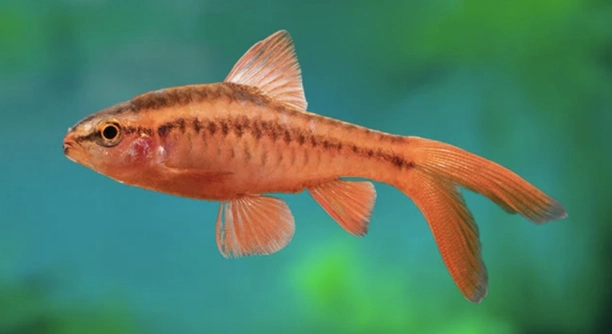
Cherry barb fry are small, delicate fish that can be tricky to raise. Ensuring their survival requires understanding the right conditions and care. With the proper steps, you can increase their chances of thriving in your aquarium.
The survival rates of cherry barb fry can be improved by maintaining optimal water conditions, providing adequate food, and offering shelter. Preventing overpopulation, ensuring proper filtration, and reducing stress are key factors in ensuring healthy fry development.
Understanding the basic needs of cherry barb fry, including water quality and feeding, will help ensure their growth and development. Follow these tips to improve their survival rates and enjoy healthy, thriving fry in your aquarium.
1. Maintain Optimal Water Conditions
One of the most important factors in ensuring the survival of cherry barb fry is the water quality. Fry are very sensitive to changes in their environment, so it’s essential to keep the water clean and stable. You should keep the water temperature between 75°F and 80°F, with a pH level of around 6.5 to 7.0. Ammonia, nitrites, and nitrates should be kept at the lowest possible levels, as these can be harmful to young fry. A reliable filtration system is crucial to maintain clean water. Regular water changes of 20-30% every week can help keep the environment healthy. Always ensure that the water is well-oxygenated, as fry require a lot of oxygen to grow.
Providing clean water might seem like a simple task, but it’s one of the main reasons why fry don’t survive. Regular monitoring of water parameters is essential to prevent any issues before they affect the fry.
Maintaining proper water conditions isn’t just about having the right temperature or pH. You should also consider adding live plants or a sponge filter. Plants provide additional oxygen and hideouts for the fry, which help them feel safe. A sponge filter is gentle and will help ensure the fry are not sucked into a traditional filter, which can be harmful. Consistent maintenance of water quality can reduce the stress fry experience, allowing them to grow healthier.
2. Feed the Fry Properly
Proper feeding is key to growing healthy fry. Young cherry barbs are small and need specialized food to thrive. Starting with infusoria, which consists of tiny organisms, can be a good option. As the fry grow, you can start feeding them crushed flake food or baby brine shrimp. Be sure not to overfeed, as leftover food can cause water quality issues. Small, frequent feedings work best for fry to ensure they’re getting the right amount of nutrition.
It’s essential to keep a close eye on feeding to avoid excess waste that can quickly deteriorate the water.
Fry grow best when fed high-quality food that is rich in nutrients. While it may be tempting to give them a variety of food, consistency is key. Brine shrimp and micro-worms are excellent sources of protein. Also, consider supplementing their diet with spirulina, which provides essential vitamins. Gradually transitioning to flake food as they grow will ensure they are getting enough nutrition for healthy development. Make sure to remove any uneaten food after each feeding to keep the water clear.
3. Provide Hiding Spaces
Cherry barb fry are tiny and vulnerable, making them easily stressed. Offering hiding spaces within the aquarium is crucial to their survival. Without places to hide, fry may become anxious and stressed, which weakens their immune systems and can stunt their growth. Live plants, such as Java moss or fine-leaved plants, work well in providing cover. These plants also offer a place for the fry to graze on microorganisms, which is a natural food source. If plants aren’t an option, small breeding boxes or artificial caves can also create safe spaces for fry.
Adding hiding spaces ensures that fry have a stress-free environment, improving their chances of survival. These spaces should be scattered throughout the tank to give the fry multiple places to retreat to.
Creating a safe, quiet environment allows fry to grow without the constant threat of adult fish. In the wild, fry would naturally seek shelter in plants or areas with slow-moving water, so replicating these conditions in your tank is ideal. A well-planted tank also helps keep the water oxygenated, benefiting fry’s overall health. Ensuring a calm, safe environment will help reduce mortality rates and ensure your fry develop into strong adult fish.
4. Avoid Overcrowding
Overcrowding is a common problem that can affect fry survival rates. Too many fry in a small tank leads to competition for food and space, which increases stress and lowers the chances of survival. It’s crucial to ensure that there is enough room for fry to grow.
If you have a large batch of fry, consider separating them into different tanks or using a breeding box. This will reduce the stress caused by overcrowding. Make sure to monitor the population to prevent the tank from becoming too crowded. Keeping the fry well-spaced allows them to grow and develop without interference.
Additionally, overcrowding can lead to poor water quality as more waste accumulates quickly. With fewer fry in the tank, it’s easier to maintain water conditions. This also ensures that each fry has access to enough food, reducing the risk of malnutrition or stunted growth. A properly maintained tank with an adequate number of fry will help increase their survival chances.
5. Control Tank Lighting
The lighting in the tank plays a vital role in fry survival. Bright lights can stress fry, especially when they’re young and sensitive. Too much light can disrupt their natural behavior, causing them to swim erratically or hide more often. It’s best to use soft, dim lighting to create a calm environment.
A proper light cycle is just as important. Avoid leaving the lights on too long or making sudden changes in the lighting schedule. Fry thrive on a consistent day-night cycle. A timer can be helpful to ensure the lights turn on and off at the same time each day, mimicking natural conditions.
Adjusting lighting not only helps reduce stress but also contributes to maintaining a healthy environment. If the tank has plants, they will benefit from the right amount of light to grow and provide shelter for the fry. Avoid placing the tank in areas with direct sunlight, as this could cause temperature fluctuations and excessive algae growth. Keeping the lighting in check will create a more stable environment for the fry to develop.
6. Keep the Tank Free from Predators
Adult fish can be a significant threat to fry. Cherry barbs, in particular, may view fry as food, so it’s crucial to separate them from adult fish. Even peaceful species may accidentally eat fry if they’re hungry or curious.
If your fry are in the same tank as adults, use a breeding box or mesh partition to keep them safe. This way, the fry can swim freely without the constant risk of predation. When it’s time to introduce the fry to the main tank, do so gradually to ensure their safety.
A predator-free environment allows fry to grow without the constant threat of being eaten, which is essential for their survival. Even if the adult fish are peaceful, they may still disturb the fry unintentionally. Protecting them from potential predators is a key factor in ensuring a high survival rate.
7. Keep the Tank Stable
A stable environment is crucial for fry survival. Constant fluctuations in temperature, water chemistry, or tank conditions can cause stress, weakening their immune systems. To avoid this, make sure to monitor and maintain the tank parameters regularly.
Invest in reliable equipment like heaters, thermometers, and filters. Ensure your filter is gentle to avoid disturbing the fry. Maintaining stability in the tank helps prevent sudden changes that could harm the fry.
By creating a consistent and stable environment, fry will have the best chance to thrive. Frequent monitoring ensures you can adjust quickly if something goes wrong, offering the fry the safest conditions possible.
FAQ
How often should I change the water for my cherry barb fry?
It’s important to do regular water changes to keep the environment clean and healthy. For fry, aim for a 20-30% water change once a week. However, if the water looks dirty or if you notice an increase in waste, consider doing more frequent changes. Always ensure that the new water matches the temperature and pH of the tank to avoid stressing the fry.
Can I use a regular filter for fry tanks?
Using a regular filter can be harmful to fry, as they may get sucked into the intake. It’s best to use a sponge filter, which provides gentle filtration without posing a risk to the fry. Sponge filters also help oxygenate the water, which is beneficial for their growth. If you already have a regular filter, you can add a sponge attachment to ensure it doesn’t harm the fry.
What should I feed cherry barb fry?
Cherry barb fry need food that’s small and nutrient-rich. Start with infusoria (tiny organisms) when they’re very young. As they grow, you can introduce baby brine shrimp, micro-worms, and finely crushed flake food. Feed small amounts several times a day to ensure they get the nutrition they need. Be sure to remove any uneaten food to prevent water quality issues.
Can I add other fish with cherry barb fry?
It’s best to keep cherry barb fry in a separate tank or breeding box until they’re large enough to join other fish. Adding adult fish to the fry tank can lead to predation, as many adult fish, even peaceful species, may see the fry as food. Once the fry grow larger and stronger, you can gradually introduce them to the main tank, but keep an eye on their interactions to ensure their safety.
How do I know if my cherry barb fry are healthy?
Healthy fry are active, swim freely, and have a clear, bright color. If the fry appear sluggish, have faded colors, or are staying near the bottom of the tank, this could indicate stress, poor water quality, or illness. You may also notice that healthy fry grow at a steady rate, while sick ones will have stunted growth. Regular monitoring and maintaining proper water conditions are key to preventing health issues.
What water parameters are best for cherry barb fry?
Cherry barb fry do well in water with a temperature between 75°F and 80°F, a pH level of 6.5-7.0, and low ammonia, nitrites, and nitrates. Regularly test the water to ensure that these parameters stay stable. Water quality can fluctuate quickly, especially in a fry tank, so monitoring is important to prevent issues. Having a reliable filter and performing water changes will help maintain ideal conditions.
How long does it take for cherry barb fry to grow into adults?
Cherry barb fry generally take around 6 months to reach adulthood, although growth rates may vary based on water quality, food, and tank conditions. During the first few weeks, fry grow quickly, and you should see noticeable changes in their size. After that, their growth slows down but remains consistent. Proper care during the early stages can help ensure they reach full size without stunting.
Should I add any plants to the fry tank?
Yes, adding plants is a great idea for fry tanks. Plants like Java moss provide hiding places and offer a surface for microorganisms that fry can feed on. They also help oxygenate the water, reducing stress on the fry. Live plants create a more natural environment for the fry and help maintain water quality by absorbing excess nutrients.
Can I raise cherry barb fry in a bare-bottom tank?
Yes, you can raise cherry barb fry in a bare-bottom tank, but it’s not ideal. A bare-bottom tank makes it harder to grow beneficial microorganisms that the fry can eat. Adding a few plants or moss gives them a natural environment, provides shelter, and allows them to graze on tiny organisms. A bare-bottom tank can also make it harder to keep the water clean, as waste will remain visible and can accumulate faster.
Why are my cherry barb fry swimming at the surface?
If your fry are swimming at the surface, it could indicate low oxygen levels in the tank. Fry need a well-oxygenated environment, and if the water is too still, they may swim higher to get more oxygen. Ensure that the tank has proper aeration, such as a sponge filter or air stone, to keep the water oxygenated.
How can I prevent diseases in my cherry barb fry?
Preventing diseases in fry starts with maintaining clean water and stable tank conditions. Perform regular water changes, monitor water parameters, and keep the tank free from excess waste. Avoid overcrowding, as this can lead to stress and higher susceptibility to illness. If you notice sick fry, isolate them from the rest of the group to prevent the spread of disease.
Can I use chemicals to treat my fry tank?
It’s best to avoid using chemicals in fry tanks unless absolutely necessary. Fry are more sensitive to medications and chemicals than adult fish. If a disease occurs, try natural treatments first, like increasing the water temperature or using salt. Only use medications specifically labeled for use with fry if you have no other option, and always follow the instructions carefully.
How can I improve the survival rate of cherry barb fry?
To improve survival rates, focus on maintaining optimal water conditions, providing proper nutrition, and keeping the tank free from predators. Ensure that the fry have hiding places and are not overcrowded. Regular water changes, consistent feeding, and monitoring their health will help them grow and thrive. Keeping the tank stable and stress-free is key to long-term success.
Final Thoughts
Raising cherry barb fry can be both rewarding and challenging. With the right care, you can see your small fry grow into healthy adult fish. The key to success lies in providing a stable environment with clean water, proper food, and a safe space free from predators. It may take some time to perfect the conditions, but once you understand their needs, your cherry barb fry will thrive. Regular monitoring of water quality, maintaining consistent tank parameters, and providing the correct type of food are essential for healthy development.
The early stages of fry growth are the most delicate, so attention to detail is important. Overcrowding, poor water quality, or inconsistent feeding can lead to problems that affect the survival rate. By following a few simple guidelines like providing enough hiding spots, adjusting lighting, and keeping a close eye on their health, you increase their chances of making it through the fragile early stages. With these basics covered, you’ll create an environment where your fry can grow strong and healthy.
In the end, raising cherry barb fry requires patience and consistency. There will be challenges along the way, but by keeping the water conditions stable, ensuring proper nutrition, and reducing stress factors, you’re giving them the best possible chance to succeed. Each step, from managing water quality to feeding them properly, plays a role in helping them survive. When you see your fry grow into beautiful adult cherry barbs, the effort will feel worth it. Keep learning, adjusting, and refining your approach to improve survival rates and enjoy the process.

Hello,
If you enjoy the content that we create, please consider saying a "Thank You!" by leaving a tip.
Every little bit helps us continue crafting quality advice that supports the health, happiness, and well-being of pets around the world, for pets of all shapes, sizes, and species.
We really appreciate the kindness and support that you show us!