
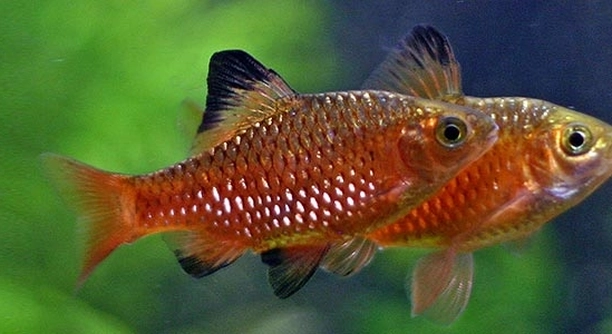
Rosy Barbs are colorful fish that many enjoy keeping at home. They can live well in cooler rooms if given the right care. Understanding how to support their needs helps them stay healthy and vibrant.
Rosy Barbs require stable water temperatures, proper diet, and clean environments to thrive in cold rooms. Adjusting tank setup and monitoring their behavior ensures they remain active and stress-free despite lower temperatures.
Knowing these tips will improve your fish’s well-being and create a better environment for them to grow and flourish.
Maintaining Stable Water Temperature
Keeping the water temperature steady is important for Rosy Barbs in cold rooms. These fish do best when the water stays between 64°F and 72°F. Sudden temperature drops can stress them and make them sick. A reliable heater designed for smaller tanks helps keep temperatures consistent. It’s good to place the heater near the tank’s filter to spread warmth evenly. Using a thermometer lets you check water temperature daily. Avoid placing the tank near windows or doors where cold drafts might hit it. If your room is very cold, consider adding insulation around the tank to keep the heat from escaping. Keeping the water temperature stable helps your Rosy Barbs stay active and healthy over time.
A heater with adjustable settings is a smart investment for cold rooms. It keeps conditions ideal and reduces risks from sudden cold changes.
Proper temperature control supports fish metabolism and immune function. It also prevents diseases triggered by stress, improving overall tank health and longevity. Monitoring temperature is a small step that pays off in healthier, happier Rosy Barbs.
Feeding and Nutrition
Good food helps Rosy Barbs handle cooler temperatures better. Feeding them high-quality flakes or pellets with balanced nutrients keeps their energy up. Supplementing with live or frozen foods like brine shrimp or daphnia adds protein and variety. In colder water, their metabolism slows, so avoid overfeeding. Uneaten food can pollute the tank, which stresses the fish. Feed small amounts once or twice a day, watching how much they eat. Removing leftovers helps maintain clean water. Consistent, appropriate feeding routines keep your fish strong and support their immune systems during colder months. Proper nutrition directly affects their ability to thrive in less-than-ideal room temperatures.
Tank Placement and Lighting
Keep the tank away from cold drafts or direct sunlight. Sudden changes in room temperature can harm Rosy Barbs. Position the tank in a stable, quiet spot with consistent lighting to reduce stress.
Lighting should mimic natural daylight but avoid strong, direct light. Use a timer to provide about 10 to 12 hours of light daily. This helps maintain their natural rhythms and supports plant growth. Too much light can encourage algae, which affects water quality. If your room is cold, gentle lighting also helps keep the water warmer without overheating the tank.
Adjust lighting based on the room’s temperature and your fish’s behavior. Observing how Rosy Barbs react will guide you to the best lighting setup, keeping them calm and comfortable in a cooler environment.
Regular Water Changes
Perform regular water changes to keep water clean and healthy. Change about 20-25% of the water weekly to remove waste and toxins. This prevents buildup that can harm fish.
Use a water conditioner to remove chlorine and harmful chemicals from tap water before adding it to the tank. Check temperature and match it closely to the tank’s water to avoid shocking the fish. Cold rooms may require more frequent changes if water cools too much or debris accumulates faster.
Maintaining good water quality reduces stress and supports Rosy Barbs’ immune systems. It also helps keep water parameters stable, which is crucial for fish health in cooler environments. Consistency in water changes creates a safe and comfortable home for your fish.
Monitoring Fish Behavior
Watch your Rosy Barbs closely for signs of stress or illness. Changes in swimming, appetite, or color can indicate problems. Early detection helps prevent serious health issues.
Keep notes of any unusual behavior and adjust care accordingly. Stress from cold can weaken their immune system, so quick action is important.
Using Aquarium Plants
Adding live plants benefits Rosy Barbs by improving water quality and providing hiding spots. Plants help stabilize the tank environment and reduce stress. They also add oxygen and absorb toxins, creating a healthier habitat.
Choose hardy plants that tolerate cooler temperatures, such as Java fern or Anubias. These require less light and care, making them ideal for cold rooms. Plants create a natural feel that helps fish feel secure and encourages natural behavior.
Tank Size Considerations
A larger tank helps maintain stable water temperature in cold rooms. More water volume reduces rapid temperature fluctuations and provides a better environment for Rosy Barbs to thrive.
Choose a tank size that gives them enough space to swim freely while keeping conditions steady.
How cold is too cold for Rosy Barbs?
Rosy Barbs can tolerate temperatures as low as 64°F but do best around 68°F to 72°F. Temperatures below 64°F can slow their metabolism and weaken their immune system. Prolonged exposure to cold water may cause illness or stress, so maintaining stable warmth is key.
What signs show that Rosy Barbs are stressed by cold?
Cold-stressed Rosy Barbs often swim sluggishly, lose appetite, or hide more than usual. Their colors may fade, and they might stay near the tank’s bottom. You may notice rapid gill movement or erratic swimming. Watching for these signs helps catch problems early.
Can Rosy Barbs survive without a heater in a cold room?
In mild climates where room temperatures stay above 65°F, Rosy Barbs might survive without a heater. However, without controlled warmth, fluctuations can stress them. Using a heater is the safest way to ensure stable conditions and keep your fish healthy long term.
What’s the best diet for Rosy Barbs in cooler water?
A diet rich in protein and vitamins helps Rosy Barbs maintain energy in cooler water. High-quality flakes or pellets designed for tropical fish work well. Adding live or frozen foods like brine shrimp or daphnia gives variety and extra nutrients. Feed smaller amounts to avoid overfeeding.
How often should I check water temperature?
Check the temperature daily, especially in cold rooms where changes happen quickly. Using a reliable aquarium thermometer makes this easy. Regular checks help catch drops early and keep conditions stable for your fish.
Are live plants necessary for Rosy Barbs in cold rooms?
Live plants are not required but highly recommended. They improve water quality by absorbing nitrates and adding oxygen. Plants also offer hiding spots and reduce stress. Choose hardy plants that tolerate cooler temperatures, such as Java fern or Anubias.
How much water should I change each week?
Changing 20-25% of the water weekly keeps the tank clean without shocking your fish. Use conditioned water matched in temperature to avoid stress. Regular changes prevent toxin buildup and support overall health, especially important in cooler environments.
Can Rosy Barbs live with other fish in cold tanks?
Yes, Rosy Barbs are generally peaceful and can live with other species that tolerate similar temperatures. Avoid aggressive or very sensitive fish. Good tank mates include other barbs, danios, and some tetras. Monitor behavior to prevent stress or bullying.
What equipment is essential for keeping Rosy Barbs in cold rooms?
A heater with adjustable temperature control and a thermometer are essential. Proper filtration keeps water clean and oxygenated. Insulation around the tank can help maintain warmth. Good lighting supports plants and fish health without overheating the tank.
How do I prevent diseases in Rosy Barbs during colder months?
Maintaining stable water temperature and high water quality reduces disease risk. Avoid sudden temperature drops and overfeeding. Quarantine new fish before adding them to the tank. Observing fish daily helps catch signs of illness early for quick treatment.
Is tank size more important in cold rooms?
Yes, larger tanks hold temperature better and reduce fluctuations that stress fish. A bigger volume of water creates a more stable environment for Rosy Barbs, helping them thrive despite cooler room temperatures.
Can I use a tank cover or hood to help keep warmth?
Using a cover or hood helps trap heat inside the tank, reducing temperature drops. It also limits evaporation and protects fish from drafts. Make sure there is enough ventilation to prevent buildup of harmful gases.
Should I adjust feeding during winter?
Yes, because metabolism slows in cooler water, feed smaller amounts less often. Overfeeding can pollute the water and harm fish health. Watch how much your Rosy Barbs eat and adjust feeding accordingly.
How do I handle sudden temperature changes in a cold room?
Try to avoid placing the tank near doors or windows where drafts occur. If temperature drops happen, use a heater and insulation to stabilize quickly. Slow and steady adjustments prevent shock and stress for your fish.
What are common mistakes when keeping Rosy Barbs in cold rooms?
Common mistakes include not monitoring temperature regularly, overfeeding, poor water maintenance, and placing the tank in drafty or unstable locations. These errors can stress fish and lead to illness. Consistency and proper care are vital for success.
Can Rosy Barbs breed in cold water conditions?
Breeding is less likely in cooler temperatures because their metabolism slows down. Warmer water around 72°F to 75°F encourages spawning. If you want to breed them, gradually raise the temperature and provide good nutrition.
This FAQ covers key points to help Rosy Barbs live well in colder rooms. Following these guidelines supports their health and happiness despite the challenges of lower temperatures.
Caring for Rosy Barbs in cold rooms requires attention to a few important details. These fish are hardy but still need stable conditions to stay healthy. Temperature control is the main factor to focus on. Keeping the water between 64°F and 72°F helps avoid stress and illness. Using a heater and a reliable thermometer makes it easier to maintain the right warmth. It is also important to place the tank away from cold drafts or direct sunlight to prevent sudden temperature changes. With stable water temperature, Rosy Barbs can stay active and live longer.
Feeding your Rosy Barbs properly supports their health, especially in cooler water. They need a balanced diet with enough protein and vitamins to keep their energy levels up. Giving them high-quality flakes or pellets and supplementing with live or frozen foods provides good nutrition. Because their metabolism slows down in colder water, it is important not to overfeed. Overfeeding can pollute the tank and harm the fish. Feeding smaller amounts once or twice a day and removing leftover food helps keep the water clean. Good feeding habits and water quality go hand in hand.
Regular water changes and proper tank setup also play key roles in keeping Rosy Barbs healthy. Changing about 20-25% of the water weekly removes waste and toxins. Using conditioned water that matches the tank’s temperature prevents shock to the fish. Adding live plants that tolerate cooler temperatures can improve water quality and provide hiding spots, which reduces stress. Choosing a larger tank can help maintain stable temperatures by reducing quick changes. Watching your fish daily for signs of stress or illness allows early action when problems appear. With consistent care and attention to their environment, Rosy Barbs can thrive even in cold rooms.

Hello,
If you enjoy the content that we create, please consider saying a "Thank You!" by leaving a tip.
Every little bit helps us continue crafting quality advice that supports the health, happiness, and well-being of pets around the world, for pets of all shapes, sizes, and species.
We really appreciate the kindness and support that you show us!