
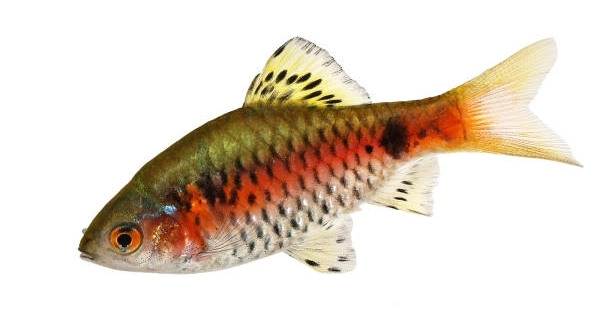
Transporting rosy barbs to a new tank can be a stressful time for these lively fish. Ensuring they settle in well requires careful attention and proper care during and after the move. This guide offers practical tips to ease their adjustment.
Helping rosy barbs settle after transport involves maintaining stable water conditions, providing a calm environment, and minimizing stress through gentle handling and gradual acclimation. These steps support their health and encourage quicker adaptation to the new habitat.
Following these tips will make the transition smoother and help your rosy barbs thrive in their new home. Proper care right after transport lays the foundation for their long-term well-being.
Prepare the Tank Before Arrival
Preparing the tank ahead of time is crucial for helping rosy barbs settle smoothly. Make sure the water is properly cycled and the temperature matches their previous environment. This reduces shock and stress when they arrive. Clean the tank thoroughly but avoid adding strong chemicals that can harm the fish. Add plants or decorations that provide hiding places to make the new environment feel safer. Keep the lighting moderate to avoid startling them. It’s also important to check water parameters like pH, ammonia, and nitrite levels to ensure the water quality is stable and safe. Having a stable environment ready gives rosy barbs a better chance to adapt quickly without unnecessary stress or health risks.
Setting up the tank carefully helps create a welcoming space where rosy barbs can relax and adjust more easily after transport.
Taking the time to prepare the tank properly shows you care about their comfort. It can reduce their stress levels and improve their overall health. Once the tank is ready, your fish will find it easier to explore and settle into their new home, allowing you to enjoy their lively presence with less worry.
Gradual Acclimation to New Water
Introduce rosy barbs to their new tank slowly. Avoid dumping them directly into the water. Instead, float the sealed bag in the tank for about 15-20 minutes to equalize temperature. Gradually add small amounts of tank water into the bag every 5 minutes.
This slow process helps the fish adjust to changes in water chemistry and temperature. Sudden changes can shock their systems and cause stress or illness. By gradually mixing their original water with the tank water, you give their bodies time to adapt. This method reduces the risk of harmful reactions and supports a smoother transition. After about 30-45 minutes of acclimation, carefully release the rosy barbs into the tank.
Patience during acclimation shows respect for your fish’s well-being. Taking this extra time will improve their chances of settling in quickly and staying healthy.
Keep Lighting Low
Dim the lighting in the tank for the first few hours after introducing rosy barbs. Bright lights can cause unnecessary stress as they adjust to the new environment. Soft lighting creates a calming atmosphere, making it easier for fish to explore and feel safe.
Lower lighting reduces activity and helps reduce aggressive behavior or hiding. This approach encourages natural behavior and promotes rest. Once the fish seem comfortable, gradually increase the lighting to normal levels over several days. This method supports their overall adjustment and prevents overstimulation during a sensitive time.
Avoid Overfeeding
Feed rosy barbs sparingly after transport. Their digestion may be sensitive, so avoid overfeeding to prevent stress and water quality issues.
Offering small amounts of food once or twice a day is enough. Overfeeding can cause uneaten food to pollute the water, making the environment less healthy.
Maintain Stable Water Conditions
Keep water parameters steady by testing regularly. Sudden shifts in temperature, pH, or ammonia can harm rosy barbs during this sensitive time. Use a reliable heater and filtration system to support a healthy tank environment. Consistent conditions help fish feel secure and recover faster.
Limit Disturbances
Minimize noise and activity around the tank. Rosy barbs need a calm space to feel safe and settle in properly.
Avoid tapping on the glass or sudden movements nearby, as this can increase stress and delay their adjustment.
FAQ
How long does it take for rosy barbs to settle after transport?
Rosy barbs usually take a few days to a week to fully settle into a new tank. The exact time depends on factors like water quality, tank setup, and how gently the fish were handled during transport. During this period, their behavior might be shy or less active as they adjust to the new surroundings.
Can I feed rosy barbs right after moving them?
It’s best to wait a few hours before feeding after transport. Their digestive systems can be sensitive right after the move. Start with small amounts of food once they show interest. Overfeeding right away can lead to poor water quality and stress.
What water temperature is ideal for rosy barbs?
Rosy barbs thrive in temperatures between 64°F and 72°F (18°C–22°C). Keeping the temperature stable within this range helps them feel comfortable and reduces stress. Sudden changes in temperature should be avoided to prevent shock.
Is it necessary to quarantine rosy barbs before adding them to the main tank?
Quarantining is recommended to prevent the spread of diseases. A separate tank for 2-4 weeks allows you to observe and treat any signs of illness before introducing them to your main aquarium. This step protects both your new fish and your existing tank inhabitants.
How can I tell if rosy barbs are stressed after transport?
Signs of stress include hiding more than usual, clamped fins, rapid breathing, or loss of appetite. They might also show color fading or erratic swimming. Recognizing these signs early helps you take steps to reduce stress and improve their environment.
What kind of plants or decorations help rosy barbs feel secure?
Live or artificial plants with dense foliage provide good hiding spots. Smooth rocks and driftwood can also create safe areas for shy fish. These features mimic natural environments and help reduce stress by offering places to retreat when needed.
Should I change the water right after adding rosy barbs?
Avoid doing a full water change immediately after introducing new fish. Sudden changes in water conditions can be harmful. Instead, perform regular small water changes after they’ve settled to keep the tank clean and healthy.
How often should I test the water after transport?
Testing water parameters daily for the first week is ideal. Monitor pH, ammonia, nitrite, and nitrate levels closely. Maintaining stable water conditions helps prevent stress and illness as the fish adapt to their new home.
Can rosy barbs live with other fish right after transport?
It’s best to introduce rosy barbs to tankmates only after they have settled and shown signs of normal behavior. Mixing too soon can lead to aggression or stress, especially if the new fish are weak or disoriented.
What if my rosy barbs show signs of illness after transport?
Isolate any fish showing signs of illness like spots, swelling, or unusual behavior. Treat them in a quarantine tank with appropriate medications. Keeping the main tank clean and stable also supports recovery and prevents the spread of disease.
Final Thoughts
Helping rosy barbs settle after transport is an important part of keeping them healthy and happy. The move can be stressful for fish, so providing a stable and calm environment makes a big difference. Taking simple steps like preparing the tank in advance, acclimating the fish slowly, and keeping water conditions steady can ease their adjustment. It is important to watch your rosy barbs closely during the first few days and offer them a quiet space where they feel safe. These actions help reduce stress, which supports their immune system and lowers the chance of illness.
During this period, patience is key. Fish don’t always settle immediately, and their behavior may seem different at first. They might hide more or eat less than usual. This is normal and does not always mean something is wrong. Avoid making sudden changes or adding new tankmates too soon. Giving your rosy barbs time to explore their new home at their own pace encourages natural behavior and builds their confidence. Maintaining consistent water temperature, quality, and lighting also plays an important role. Every small detail counts when helping fish adapt smoothly.
Keeping rosy barbs healthy after transport is a matter of careful care and attention. Regularly checking the water and limiting stress factors supports their long-term well-being. Feeding them appropriately and providing plenty of hiding places helps them feel secure. Over time, your rosy barbs will adjust and become active, colorful members of your aquarium. The effort put into this settling period pays off with stronger, more vibrant fish. Remember, a calm and stable environment benefits both the fish and the overall tank health. This thoughtful approach sets the stage for happy and thriving rosy barbs in their new home.

Hello,
If you enjoy the content that we create, please consider saying a "Thank You!" by leaving a tip.
Every little bit helps us continue crafting quality advice that supports the health, happiness, and well-being of pets around the world, for pets of all shapes, sizes, and species.
We really appreciate the kindness and support that you show us!