
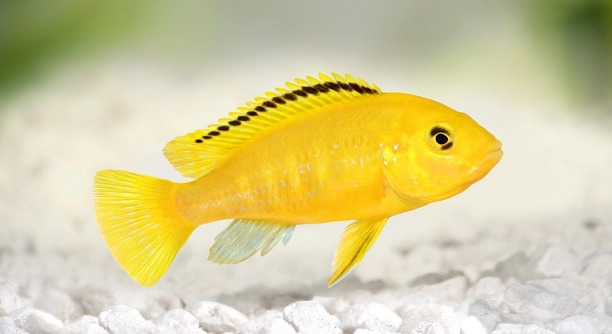
Introducing new cichlids to your aquarium can be exciting but also challenging. These fish need time and the right conditions to feel comfortable in their new home. Proper care during this period is essential for their well-being.
Helping new cichlids settle in involves maintaining stable water conditions, providing hiding spots, controlling feeding amounts, and minimizing stress from sudden changes. These practices support their adaptation and reduce health risks during the transition.
Knowing how to support your cichlids early on will improve their adjustment and encourage a healthy, thriving environment in your tank. This guide offers practical tips to ease that process.
Preparing the Aquarium Before Introducing Cichlids
Before bringing new cichlids home, it is important to prepare their environment carefully. The tank should be fully cycled to ensure stable water conditions. This means the beneficial bacteria needed to break down waste are established, keeping ammonia and nitrite levels at zero. Clean gravel, decorations, and proper filtration will help maintain water quality. Adding rocks and plants creates hiding spots, which reduce stress for the fish. Temperature should be steady and suitable for the specific cichlid species, usually between 75 and 82 degrees Fahrenheit. Testing the water for pH, hardness, and chlorine ensures it matches the needs of the new fish. A well-prepared tank offers a safe place for cichlids to explore and settle.
Setting up the aquarium properly reduces risks of shock and illness when introducing new cichlids.
Taking these steps before adding cichlids creates a welcoming environment, helping them adapt more easily and stay healthy.
Acclimating Cichlids to Their New Home
Acclimation is crucial for reducing stress in new cichlids. When you bring the fish home, float the sealed bag in the tank for about 15 to 20 minutes. This equalizes the water temperature between the bag and the tank. Afterward, slowly add small amounts of tank water to the bag over 30 to 60 minutes. This gradual mixing helps the fish adjust to differences in water chemistry, like pH and hardness. Avoid pouring the fish directly from the bag into the tank water; instead, use a net to transfer them gently. Proper acclimation helps prevent shock, reduces stress, and supports the fish’s immune system during the critical early hours.
Allowing cichlids time to adjust helps them avoid sudden changes that can cause health problems.
Slow and careful acclimation minimizes risks and supports a smooth transition into the aquarium’s environment.
Providing Proper Hiding Places
Cichlids feel safer with plenty of hiding spots. Use rocks, caves, and plants to create secure areas where they can retreat. This reduces stress and encourages natural behavior.
Providing hiding places mimics their natural environment and helps reduce aggression. When cichlids have safe spaces, they feel less threatened and are less likely to fight. Hiding spots also give shy fish a place to rest away from tankmates. This can improve overall tank harmony and support the health of all fish. Arrange decorations so hiding spots are spread throughout the tank, allowing multiple fish to claim their own territory. Avoid overcrowding these areas to keep them effective.
Good hiding places reduce stress and allow cichlids to express normal behaviors, improving their comfort and health in the tank.
Monitoring Water Quality Closely
Keeping water clean is vital for new cichlids settling in. Test water parameters regularly during the first weeks to catch any issues early. Ammonia, nitrite, and nitrate levels must stay low.
Water quality can change quickly in new setups or with added fish. Frequent testing helps detect harmful spikes that stress or harm cichlids. Change 10 to 20 percent of the water weekly, but avoid sudden large changes. Using a good filter and avoiding overfeeding also helps maintain clean water. Observe fish for signs of distress like gasping or lethargy, which can signal water problems. Quick action to adjust water conditions supports a healthy environment and strong fish immune systems.
Consistent care and monitoring prevent water issues that could disrupt the delicate balance in a new tank.
Feeding with Care
New cichlids need gentle feeding at first. Offer small amounts to avoid overfeeding and water pollution.
Feed high-quality food suited for their species. Remove uneaten food quickly to keep water clean and reduce stress.
Maintaining Stable Temperatures
Stable water temperature helps cichlids adjust and stay healthy. Avoid sudden changes that can cause shock or illness.
Use a reliable heater and thermometer to keep the temperature steady. Keep the tank away from drafts or direct sunlight.
Minimizing Stress from Tank Mates
Introduce new cichlids carefully with existing fish to avoid aggression and stress. Watch interactions closely.
Keep tankmates compatible in size and temperament. Stress can weaken immune systems and slow adaptation for new cichlids. Provide enough space and hiding spots to ease tensions.
FAQ
How long does it take for new cichlids to settle in?
New cichlids usually take a few days to a few weeks to fully settle. The exact time depends on the species, tank conditions, and how well you manage the introduction process. Providing stable water conditions, proper hiding spots, and gentle feeding helps speed up their adjustment.
What are signs that my cichlids are stressed?
Signs of stress include hiding constantly, loss of appetite, rapid breathing, faded colors, or erratic swimming. Stressed fish may also become aggressive or lethargic. If you notice these signs, check water quality, temperature, and tankmates to identify possible causes.
Can I introduce multiple cichlids at the same time?
Introducing several cichlids at once can work if the tank is large enough with plenty of hiding spots. This approach may reduce territorial aggression since no single fish claims all the space. However, always monitor for fights and remove any aggressive individuals quickly.
How often should I feed new cichlids?
Feed new cichlids small amounts once or twice a day. Overfeeding can dirty the water and stress the fish. Observe their eating habits and adjust the quantity to ensure all food is consumed within a few minutes.
Do cichlids need special water conditions?
Yes, most cichlids require stable temperature, pH, and hardness levels tailored to their species. Many prefer slightly alkaline water and temperatures between 75°F and 82°F. Research your cichlid type and test water regularly to keep conditions steady.
What should I do if a cichlid hides all the time?
If a cichlid hides frequently, it may be stressed or unwell. Ensure there are enough hiding places for all fish and check water quality. Sometimes new fish take time to adjust, so patience is key. Persistent hiding might mean illness or bullying from tankmates.
Is quarantining new cichlids necessary?
Quarantining new fish before adding them to the main tank helps prevent diseases from spreading. A separate tank for 2–4 weeks allows observation and treatment if needed. This step is highly recommended to protect your established fish.
How do I reduce aggression when introducing new cichlids?
Provide plenty of space, hiding spots, and introduce fish simultaneously to reduce aggression. Avoid overcrowding and keep an eye on interactions. If aggression becomes harmful, separate the fish to prevent injury.
Can I use water from my old tank for acclimation?
Using a small amount of tank water during acclimation helps fish adjust to water chemistry. Gradually mixing this water into the transport bag reduces shock and supports smoother adaptation.
What is the best way to clean the tank without stressing cichlids?
Perform regular partial water changes using a siphon to remove debris gently. Clean decorations and substrate carefully to avoid disturbing the fish too much. Keep water temperature and chemistry consistent during changes to minimize stress.
Final Thoughts
Introducing new cichlids to your aquarium requires patience and careful attention. These fish are sensitive to changes in their environment, so creating a stable and comfortable space is important. Preparing the tank with proper water conditions, suitable temperature, and plenty of hiding places helps the fish feel safe from the moment they arrive. Taking time to acclimate them slowly reduces stress and supports their health during this transition period.
Maintaining good water quality is one of the most important factors for successful cichlid care. Regular testing and partial water changes keep harmful substances low and the tank environment stable. Overfeeding and poor filtration can quickly lead to water problems that affect the fish’s well-being. Paying close attention to feeding habits and removing uneaten food helps avoid these issues. Healthy water conditions not only protect your cichlids from illness but also encourage natural behavior and vibrant colors.
Finally, remember that cichlids can be territorial and sometimes aggressive, especially when new fish are introduced. Providing enough space, hiding spots, and choosing compatible tankmates will reduce conflict. Watching fish closely during the first days and weeks lets you catch any problems early. With proper care and attention, new cichlids can settle in well and thrive, becoming beautiful and lively members of your aquarium. Taking these simple steps will help ensure your fish stay healthy and happy for a long time.

Hello,
If you enjoy the content that we create, please consider saying a "Thank You!" by leaving a tip.
Every little bit helps us continue crafting quality advice that supports the health, happiness, and well-being of pets around the world, for pets of all shapes, sizes, and species.
We really appreciate the kindness and support that you show us!