
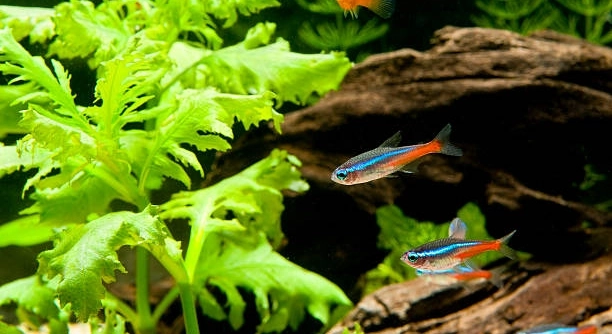
Neon Tetras are popular aquarium fish known for their vibrant colors. However, adjusting to a new aquarium environment can be challenging for them. Proper care during their transition period is essential for their well-being.
To help your Neon Tetra adjust to a new aquarium, provide a stable environment with appropriate water conditions, a quiet space, and gradual introduction to tank mates. Keep stress levels low to prevent health issues and ensure a smooth transition.
By following simple steps, you can ease your Neon Tetra’s transition and keep them healthy in their new home.
Set Up the Right Environment
When moving a Neon Tetra to a new tank, the first step is ensuring the environment is safe. Proper water conditions—temperature, pH, and hardness—are critical for their well-being. Neon Tetras thrive in temperatures between 72°F and 78°F. Keeping the pH between 6.0 and 7.0 is ideal for them. These fish also prefer soft to slightly acidic water, so it’s essential to monitor the tank’s parameters regularly.
Before adding your Neon Tetra, it’s a good idea to acclimate them slowly to the water in their new environment. This can be done by floating their bag in the tank for about 15 to 20 minutes, allowing the water in the bag to adjust to the tank’s temperature. During this time, you can gradually introduce small amounts of tank water to the bag to help the fish acclimatize to the water conditions.
Taking your time during this process can reduce stress on the fish and help them feel more at ease when released into the tank. The key is gradual adaptation, so they don’t experience a shock from the sudden change.
Keep the Tank Quiet
Neon Tetras are small, peaceful fish that can be easily stressed by loud noises or rapid movements. When you bring them home, it’s important to keep the tank in a quiet, calm area. A lot of activity near the tank can disturb them, making them anxious.
After setting up the tank, avoid tapping on the glass or disturbing the fish too much. Neon Tetras will feel safer when they are in a peaceful environment, which helps them adapt more easily. By giving them space and keeping noise levels low, you will help them settle in faster.
Gradually Introduce Tank Mates
Neon Tetras are social fish but can get stressed when introduced to aggressive or overly active tank mates. It’s essential to select fish that will not harass them. Opt for peaceful species that match their temperament. Avoid large, predatory fish that could intimidate or harm the Tetras.
Additionally, it’s helpful to introduce the fish slowly. Adding one or two new fish at a time gives the Neon Tetras the chance to adjust to their new companions without feeling overwhelmed. When considering tank mates, be sure they are similar in size and activity level to the Neon Tetras. This reduces the chance of stress and aggression.
Providing enough hiding spaces, like plants or decorations, also helps the Tetras feel secure. They’ll appreciate areas to retreat to if they feel threatened. The key is maintaining balance in the tank for peaceful cohabitation, which will benefit all the fish.
Maintain Stable Water Conditions
Water conditions play a crucial role in the well-being of Neon Tetras. Keep the water parameters stable to avoid causing stress. Frequent water changes of around 25% every 2 weeks are necessary to maintain clean and healthy water.
To keep the water balanced, use a quality filtration system that helps remove excess waste and keeps the water clear. Make sure the filter is not too strong, as Neon Tetras prefer slow-moving water. Also, use a water testing kit regularly to monitor pH, ammonia, nitrites, and nitrates. Keeping a close eye on these factors is essential for preventing health problems.
A good filtration system also helps prevent the buildup of harmful bacteria. Without proper filtration, the water quality can degrade, putting your Neon Tetras at risk for diseases and stress. Keeping things stable will allow your Tetras to thrive in their new environment.
Offer Hiding Spots
Neon Tetras are small and shy fish, so providing hiding spots in the aquarium helps them feel secure. Plants, rocks, and decorations offer these fish a place to retreat when they feel stressed or threatened.
Adding a few plants, either live or artificial, creates hiding spots where your Neon Tetras can rest. Live plants are especially helpful as they also provide oxygen to the water, creating a more natural environment for your fish. However, make sure to avoid overcrowding the tank with too many plants, as it can cause issues with water circulation.
Creating areas where your Neon Tetras can retreat gives them a sense of security. They will be more likely to swim freely and comfortably when they know they have a safe space to go when they need it. This also helps reduce stress and promotes overall health.
Avoid Overfeeding
Overfeeding can lead to poor water quality and health issues for your Neon Tetras. Only feed them small amounts of food they can consume within 2-3 minutes. Remove any uneaten food to prevent waste buildup in the tank.
Feeding small amounts ensures that the water stays clean and helps maintain proper nutritional levels for your Tetras. It’s easy to assume they’re hungry, but it’s better to offer smaller portions more frequently rather than large amounts at once. Excess food will rot, causing water quality to drop and leading to stress or illness.
Overfeeding can also cause obesity in your fish, which may lead to health problems like fatty liver disease. Keeping the feeding routine controlled will benefit their overall well-being.
Monitor Tank Temperature
Consistent water temperature is crucial for Neon Tetras to feel comfortable. Keep the tank temperature steady between 72°F and 78°F. Sudden fluctuations can cause stress, making it harder for them to adjust.
Using a reliable aquarium heater is the best way to maintain a stable temperature. Always check the water temperature regularly with a thermometer to ensure it stays within the ideal range. Neon Tetras are sensitive to temperature changes, so it’s essential to avoid placing the tank in drafty or overly sunny areas. Proper temperature control supports their immune system, helping them stay healthy and active.
Check for Disease
Regularly inspect your Neon Tetras for signs of illness, such as faded colors or unusual behavior. Catching health issues early will allow you to treat them quickly.
FAQ
How do I know if my Neon Tetra is stressed?
Signs of stress in Neon Tetras can include faded colors, erratic swimming, hiding more than usual, or refusing food. If your fish is acting differently than usual, check the water conditions immediately. High levels of ammonia or nitrates, fluctuating temperatures, and sudden changes in the tank environment can cause stress. To reduce stress, keep the tank environment stable and peaceful, and avoid overcrowding.
Can I keep Neon Tetras with other types of fish?
Yes, Neon Tetras are peaceful fish and can live with other non-aggressive species. Ideal tank mates include small, calm fish like Corydoras, Guppies, and Otocinclus. However, avoid large or aggressive fish that could bully or harm them. Make sure the tank is spacious enough to accommodate all fish without overcrowding, and always monitor interactions when introducing new fish.
What should I feed my Neon Tetras?
Neon Tetras are omnivores and enjoy a variety of foods. A balanced diet should include high-quality flake food, frozen or live foods like brine shrimp and daphnia, and occasional plant matter. Feed them small portions that they can eat in about 2-3 minutes to prevent overfeeding. Too much food can lead to water quality issues, so always remove any uneaten food promptly.
How long do Neon Tetras live?
Neon Tetras typically live for 5 to 10 years with proper care. Maintaining good water conditions, feeding them a balanced diet, and keeping them in a stress-free environment can help them reach their full lifespan. Healthy Neon Tetras are active and colorful, so keeping an eye on their behavior and health will ensure they live a long life.
Do Neon Tetras need a lot of space?
While Neon Tetras are small, they do need enough space to swim freely. A tank of at least 10 gallons is recommended for a small group. This gives them plenty of room to swim and reduces the likelihood of stress caused by overcrowding. A spacious tank also helps maintain water quality, which is essential for their health.
What temperature should the water be for Neon Tetras?
Neon Tetras thrive in temperatures between 72°F and 78°F (22°C to 25°C). Maintaining a stable temperature is important, as fluctuations can stress the fish and affect their health. Use an aquarium heater to keep the water within this range, especially in colder climates, and monitor the temperature with a thermometer to ensure consistency.
Can Neon Tetras live with shrimp?
Yes, Neon Tetras can live with shrimp, such as Cherry Shrimp or Amano Shrimp, as long as the shrimp are large enough not to be eaten by the fish. Tetras are small and peaceful, but they may nibble on baby shrimp if they are small enough. Adding plants or hiding spots can help protect shrimp from being eaten.
How do I acclimate my Neon Tetra to a new tank?
Acclimating your Neon Tetra to a new tank is essential to avoid shock. Float the bag containing the fish in the tank for 15-20 minutes to equalize the temperature. Afterward, slowly add small amounts of tank water to the bag over the course of 30 minutes. This gradual process helps your fish adjust to the water conditions before releasing them into the tank.
Why is my Neon Tetra losing its color?
Fading colors can indicate stress, poor water quality, or illness. If your Tetra’s colors are fading, check the water parameters and make sure they are within the appropriate range. Stress from aggressive tank mates, lack of hiding places, or sudden changes in the environment can also cause color loss. If water conditions are stable and the problem persists, consider checking for any signs of disease and consult a vet if necessary.
How often should I do water changes in a tank with Neon Tetras?
Water changes should be done regularly to maintain a healthy environment for your Neon Tetras. Aim for a 25% water change every 2 weeks. In heavily stocked tanks or tanks with high fish waste, you may need to do more frequent water changes. Always use a water conditioner to remove chlorine and chloramine from tap water before adding it to the tank.
Are Neon Tetras hardy fish?
Neon Tetras are relatively hardy, but they are sensitive to changes in water conditions. They do best in stable environments with proper water quality, temperature, and pH levels. While they are not as hardy as some other freshwater fish, they are quite resilient if cared for properly and are a great choice for beginners once the basics are understood.
Can I keep Neon Tetras in a tank with a filter?
Yes, a filter is essential for maintaining clean water in any aquarium. Neon Tetras do well in tanks with a filter, as long as the water flow is not too strong. They prefer slow-moving water, so use a filter that does not create strong currents. A gentle filtration system helps remove excess waste and keeps the tank clean, benefiting the fish’s health.
What is the best way to introduce new Neon Tetras to an existing tank?
Introduce new Neon Tetras slowly to avoid stressing the current fish. Quarantine new fish for a few days to monitor for signs of illness before adding them to the main tank. When introducing them, do so one or two at a time to minimize disruption. Ensure the water parameters in the quarantine tank match the main tank to make the transition smoother.
How do I know if my Neon Tetra is healthy?
Healthy Neon Tetras are active, swim in schools, and display vibrant colors. They should have a smooth body without any visible lesions or fin damage. If your Tetra is lethargic, has faded colors, or is isolated from the group, it may be a sign of illness or stress. Regular water testing and keeping the tank environment stable are key to ensuring their health.
Are Neon Tetras easy to breed?
Breeding Neon Tetras can be challenging. They need specific water conditions, such as slightly acidic water with a temperature around 75°F. You will need to provide fine-leaved plants or a breeding box where the females can lay eggs. The eggs hatch within a few days, but the fry are tiny and require special care. It’s not recommended for beginners, but with patience and the right setup, it is possible to breed them successfully.
Do Neon Tetras need a lot of light?
Neon Tetras prefer low to moderate light. Too much light can stress them and cause algae to grow in the tank. It’s best to use a timer for the aquarium lights, providing around 8-10 hours of light each day. Dim lighting creates a more natural environment and helps reduce stress for your fish.
How can I prevent diseases in Neon Tetras?
The best way to prevent diseases is to maintain clean water, provide a balanced diet, and reduce stress. Quarantine new fish before introducing them to your main tank to avoid bringing in any diseases. Regularly check your Neon Tetras for any signs of illness, and keep their environment stable.
Final Thoughts
Neon Tetras are beautiful, peaceful fish that can thrive in your aquarium with the right care. By providing a stable environment, maintaining proper water conditions, and feeding them a balanced diet, you can help your Tetras adjust smoothly to their new home. Keeping the tank clean and monitoring the water regularly will ensure their long-term health. Remember, these fish are sensitive to stress, so it’s essential to keep their environment calm and free from disturbances.
One of the most important aspects of caring for Neon Tetras is keeping their tank conditions consistent. Small changes in water temperature, pH, or ammonia levels can cause stress, which can affect their health. Regular water changes and proper filtration are key to maintaining a healthy environment. Along with this, offering hiding spots and keeping the tank peaceful can reduce stress and allow your Tetras to feel safe. The more comfortable they are, the more likely they are to thrive in your aquarium.
In addition to water quality and a peaceful tank, it’s essential to feed your Neon Tetras properly. Overfeeding can cause water quality issues and lead to health problems, so feeding small amounts regularly is ideal. Always observe their behavior and adjust their care if needed. By following these guidelines, your Neon Tetras will have a healthy and happy life in your aquarium. Taking the time to meet their needs will help ensure they stay vibrant and active for years to come.

Hello,
If you enjoy the content that we create, please consider saying a "Thank You!" by leaving a tip.
Every little bit helps us continue crafting quality advice that supports the health, happiness, and well-being of pets around the world, for pets of all shapes, sizes, and species.
We really appreciate the kindness and support that you show us!