
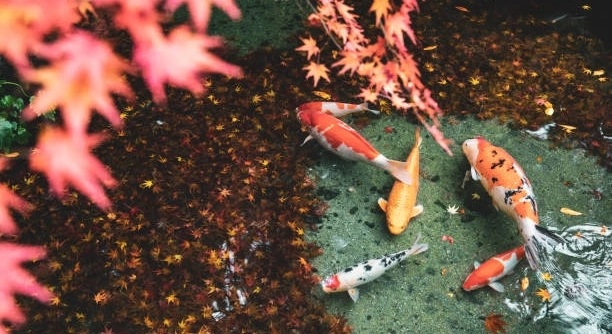
Caring for koi fish is a rewarding experience, but sometimes they fall ill. When sickness strikes, it’s important to act quickly and carefully to help them heal. Knowing the right steps can make a big difference in their recovery.
Helping koi fish recover from illness involves maintaining clean water, providing proper nutrition, reducing stress, monitoring symptoms closely, and using appropriate treatments. Consistent care and observation are essential to ensure a healthy recovery and prevent future problems.
These simple tips will support your koi’s health and help restore their vitality, keeping your pond vibrant and balanced for the long term.
Keep the Water Clean and Well-Filtered
Maintaining clean water is the most important step when helping koi recover from illness. Dirty water holds harmful bacteria and toxins that can stress your fish and slow healing. Change about 10-20% of the water weekly or more if needed. Use a good-quality filter that can handle your pond’s size and keep it running properly. Testing water regularly for ammonia, nitrites, nitrates, and pH helps keep conditions stable. If levels are off, adjust them gradually to avoid shocking the fish. Clean debris like leaves and uneaten food often. Also, avoid overcrowding your pond, as too many fish can quickly deteriorate water quality. Healthy water supports the koi’s immune system and speeds up recovery.
Clean water reduces stress and prevents further infection, allowing koi to heal faster and more effectively.
Good filtration and regular water changes keep the pond environment safe and balanced. This protects your koi and supports long-term health.
Provide Proper Nutrition
Feeding your koi the right food is key to recovery. Choose high-quality pellets designed for sick or recovering fish. These often contain extra vitamins and minerals that help boost immunity. Avoid overfeeding, which can pollute the water and harm recovery efforts. Feed smaller amounts more frequently to make sure your koi get the nutrients they need without waste. If your fish are not eating well, try offering softer foods like cooked peas or lettuce. A well-balanced diet helps repair damaged tissues and builds strength to fight illness. Nutrition plays a critical role in restoring health after sickness.
Monitor Water Temperature Closely
Koi are sensitive to changes in water temperature. Keep the temperature stable between 65°F and 75°F to support healing. Sudden shifts can stress the fish and worsen their condition.
Maintaining a steady temperature helps koi use energy to recover instead of adjusting to cold or heat stress. Use a reliable pond heater in cold months and shade or aeration during hot weather to avoid extremes. Monitor temperature daily, especially during seasonal changes. If the water is too cold, koi metabolism slows, delaying recovery. Too warm, and oxygen levels drop, stressing your fish. Keeping the temperature right ensures a calm environment that promotes healing and comfort.
Water temperature affects koi health more than many realize. Stable temperatures improve immune function and reduce stress, giving sick fish the best chance to recover fully.
Reduce Stress Factors
Minimize disturbances like loud noises or excessive movement around the pond. Stress weakens koi and slows recovery. Keep pets and children away during this time. Avoid sudden changes in lighting or water conditions.
Stress triggers the release of hormones that suppress immune response. This makes it harder for koi to fight infection and heal. Provide plenty of hiding spots with plants or decorations so koi can feel secure. Limit handling or moving the fish unless absolutely necessary. Reducing stress allows their body to focus energy on healing. Keep daily maintenance quiet and calm. Creating a peaceful environment supports faster recovery and long-term well-being. A low-stress pond is key when koi are vulnerable and regaining strength.
Quarantine New Fish
Always quarantine new koi before adding them to your pond. This prevents spreading illness to healthy fish. A separate tank for at least two weeks works best.
Watch for any signs of disease during this time. Treat problems early to protect your main pond.
Use Medications Carefully
Only use medications recommended for koi and follow instructions closely. Overuse or incorrect treatment can harm fish and beneficial bacteria in your pond. Consult a vet or expert if unsure. Proper medication helps eliminate illness without causing additional stress.
Observe Fish Behavior
Watch your koi daily for changes in swimming, appetite, or appearance. Early detection of problems leads to quicker treatment and better recovery chances.
FAQ
How do I know if my koi fish is sick?
Sick koi often show changes in behavior or appearance. Look for signs like sluggish swimming, loss of appetite, clamped fins, or rubbing against objects. Physical changes such as spots, redness, ulcers, or swollen areas can also indicate illness. Early detection is important, so check your fish daily.
Can water quality affect koi health?
Yes, water quality is one of the most critical factors in koi health. Poor water conditions can cause stress and weaken their immune system, making them more prone to illness. Regular testing and maintaining proper filtration help keep water clean and safe for your fish.
How often should I change the pond water?
Changing about 10-20% of the pond water weekly is recommended. This keeps toxin levels low without shocking the fish. If your pond is overcrowded or has a heavy bio-load, more frequent changes may be necessary.
What temperature is best for sick koi?
A stable temperature between 65°F and 75°F supports recovery. Sudden temperature changes stress koi and delay healing. Use heaters or shade as needed to maintain this range.
Is quarantine necessary for new fish?
Absolutely. Quarantining new koi for at least two weeks prevents introducing diseases to your main pond. It’s a simple but effective way to protect your entire fish population.
What kind of food should I give a sick koi?
Feed high-quality, easy-to-digest pellets designed for sick or recovering fish. These usually contain added vitamins and nutrients that help strengthen the immune system. Avoid overfeeding to reduce waste and maintain water quality.
How do I reduce stress in my koi pond?
Minimize loud noises, sudden movements, and excessive handling. Provide hiding spots and keep the environment calm and stable. Stress weakens the immune system and slows recovery.
Can medications harm my koi?
Yes, improper use of medications can be harmful. Always follow instructions carefully and use only products meant for koi. If unsure, seek advice from a vet or pond specialist to avoid damaging your fish or beneficial pond bacteria.
How long does it take for koi to recover from illness?
Recovery time varies depending on the illness and care provided. With proper water quality, nutrition, and treatment, koi can start improving within days to weeks. Patience and consistent care are essential for full recovery.
What should I do if my koi’s condition worsens?
If symptoms get worse despite care, isolate the affected fish to prevent spreading disease. Consult a professional for diagnosis and treatment advice. Quick action can save your koi and protect the rest of your pond.
Taking care of koi fish when they get sick requires attention and patience. Keeping the water clean and well-filtered is the foundation of their health. Clean water helps remove harmful substances and keeps the environment safe. Along with water quality, feeding your koi the right food helps them regain strength. Proper nutrition supports their immune system and speeds healing. Small, regular feedings of high-quality pellets designed for recovery are best.
Another important part of helping koi recover is reducing stress. Stress can come from loud noises, sudden changes, or too many fish in the pond. Providing hiding places and keeping the pond peaceful lets your koi relax and use their energy to heal. Keeping the water temperature stable also plays a big role. Sudden temperature changes can weaken koi and slow recovery. Using heaters or shade helps keep the water in the right range. When introducing new fish, always quarantine them first to stop illnesses from spreading.
Watching your koi closely every day is one of the best things you can do. Early signs of illness are easier to treat and prevent bigger problems. If you do need to use medication, follow directions carefully and choose products safe for koi. With steady care and a calm environment, most koi will recover well. Remember, patience is key because healing takes time. By keeping water clean, feeding properly, reducing stress, and observing carefully, you give your koi the best chance to get healthy again and thrive in your pond.

Hello,
If you enjoy the content that we create, please consider saying a "Thank You!" by leaving a tip.
Every little bit helps us continue crafting quality advice that supports the health, happiness, and well-being of pets around the world, for pets of all shapes, sizes, and species.
We really appreciate the kindness and support that you show us!