
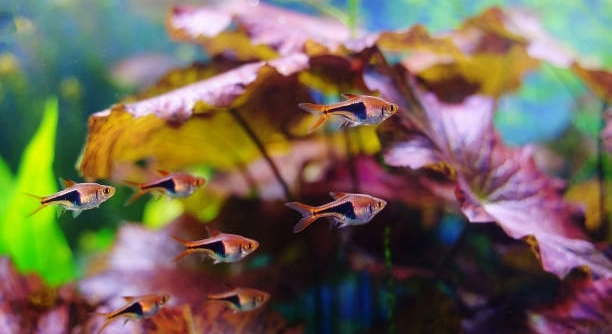
Many aquarists enjoy keeping rasboras because of their vibrant colors and active behavior in community tanks. Moving them between tanks can feel intimidating, especially when aiming to avoid stress or sudden health issues for the fish.
The most effective approach to handle rasbora tank transfers involves careful acclimation, gentle netting, and monitoring water parameters. Gradual adjustment to new tank conditions minimizes stress and reduces the risk of shock, ensuring the fish remain healthy during relocation.
Proper preparation and attention to detail during tank transfers can make a significant difference in your rasboras’ well-being and overall tank harmony.
Preparing the New Tank
Before moving your rasboras, it’s important to make sure the new tank is ready. Check the water temperature, pH, and hardness to match their current environment. Adding live plants and hiding spots helps reduce stress. Ensure the filter is running properly and the water is fully cycled. This creates a stable environment for your fish, minimizing risks of shock. Avoid overcrowding by planning how many rasboras the tank can comfortably hold. Make sure the lighting is gentle at first to prevent sudden exposure stress. Gradually acclimating decorations and tank mates also helps. A prepared tank ensures your fish adjust smoothly, stay healthy, and maintain their natural behavior. Small details, like avoiding sudden loud noises near the tank, can make a big difference in reducing initial anxiety. Taking these steps makes the transfer less stressful for both the fish and the keeper, creating a calmer atmosphere.
Matching water parameters, adding hiding spots, and gentle lighting all support a smoother transition for rasboras.
Proper tank preparation prevents unnecessary stress and allows the fish to explore their new environment safely. Adjusting gradually to decorations, plants, and new tank mates encourages natural behavior and reduces anxiety. Monitoring the water for the first few days ensures stable conditions. If any fish show signs of distress, like clamped fins or unusual swimming, checking water quality and providing extra hiding places can help. Slow acclimation during feeding and light exposure also aids adjustment. These small but important steps ensure that the tank feels familiar to the rasboras, supporting their overall health. Consistency in water parameters, temperature, and surroundings helps prevent disease outbreaks. Careful observation and patience during this period make a notable difference in the success of the transfer. Preparing the tank thoroughly is a proactive measure that makes handling future transfers easier and less stressful. Overall, investing time in readiness supports long-term well-being.
Acclimating Rasboras
Acclimation helps reduce shock when moving fish between tanks. Gradual introduction to new water conditions is key.
Use a slow drip or floating method to adjust fish to temperature and chemistry differences. Introduce them over an hour or more, monitoring their response closely. Avoid rushing this step, as sudden changes can harm delicate rasboras. Small, frequent checks and gentle handling reduce stress. Acclimation isn’t just about water; adjusting lighting and minimizing disturbances during the first hours also matters. Keeping the fish in a calm environment during this period supports their natural behavior and feeding routines. Observation is critical to notice any early signs of stress or illness. Taking the time to acclimate properly ensures your fish settle quickly and maintain their health.
Slow, careful acclimation ensures the fish remain healthy and comfortable. Rushing this step increases risks.
Acclimating rasboras involves controlled water introduction and careful observation. Start by floating the bag or container in the new tank to equalize temperature. Slowly add small amounts of tank water over time to help the fish adjust to new chemistry. Monitor their behavior closely during this process, looking for signs of stress such as erratic swimming or clamped fins. Providing calm, low-light conditions reduces anxiety. Avoid sudden noises or vibrations near the tank. Once the fish show stable swimming patterns, gently release them into the new tank. Maintaining this controlled approach during the first few hours supports feeding and social behavior. Consistency and patience during acclimation ensure a smoother transition and lower the risk of health issues. This method provides a safe, stress-minimized way to transfer rasboras effectively, keeping them active and healthy in their new environment.
Handling Fish Carefully
Use a soft net or container to move rasboras gently. Avoid chasing or stressing them, as sudden movements can cause injury.
When transferring, scoop them slowly and minimize time out of the water. Handle one or two fish at a time if needed. Avoid squeezing or forcing them into tight spaces. Keeping movements calm prevents panic and reduces the chance of fin damage. Using a smooth net and careful handling ensures the fish remain healthy during transfer. Preparing a secondary container with tank water can help move them more safely, providing a temporary holding space if needed. Quick but gentle actions prevent stress-related illness.
Maintaining calm and controlled movements is essential. A chaotic approach can easily injure delicate rasboras.
Handling rasboras requires patience and care. Using a soft net prevents abrasions, while moving slowly reduces stress. Limiting the number of fish per transfer keeps the process manageable and minimizes crowding. Keeping a container with water from the original tank provides a safe interim space. Observing behavior during handling helps identify any signs of distress. Avoid tapping the tank or making sudden noises, as this can trigger panic. After transfer, release them gently, allowing them to swim out naturally. Repeating this careful approach for each fish ensures they remain healthy and calm. Consistency in handling supports overall well-being and reduces the risk of shock.
Monitoring Post-Transfer
Check water parameters regularly after moving rasboras. Stability is crucial for their recovery.
Monitor temperature, pH, and ammonia levels closely in the first few days. Even small fluctuations can stress fish and make them susceptible to disease. Observing feeding behavior and swimming patterns helps detect early signs of illness.
Keep an eye on social interactions among rasboras. Stress can cause hiding or aggression, so provide sufficient space and hiding spots. Introduce regular feeding routines with small portions to reduce competition. Avoid overfeeding, as uneaten food can affect water quality and lead to spikes in ammonia. Conduct partial water changes if necessary to maintain clean conditions. Watch for physical signs like torn fins or unusual spots, which may indicate infection. Keeping a consistent monitoring schedule during the first week ensures rasboras adjust safely and remain healthy. This careful attention helps maintain a stable environment, supporting their long-term well-being.
Reducing Stress During Transfer
Minimize disturbances around the tank while moving rasboras. Keep lights dim and avoid sudden noises.
Using slow, steady movements when handling fish helps them stay calm. Stress can affect feeding and overall health, so creating a quiet environment is important for a smooth transfer.
Feeding Adjustments
Offer smaller, more frequent meals after transferring rasboras. This supports their digestion and reduces stress on their systems. Monitor whether they are eating normally, adjusting portions gradually until they settle.
Checking for Illness
Observe your rasboras closely for signs of sickness after moving. Look for clamped fins, unusual spots, or lethargy. Early detection allows prompt action.
Maintaining Water Quality
Regular water changes and monitoring keep the tank stable. Proper filtration and careful maintenance prevent stress and health issues in rasboras.
FAQ
How long should I acclimate rasboras to a new tank?
Acclimation should take at least one hour. Gradually adding small amounts of new tank water to their container helps the fish adjust to differences in temperature, pH, and hardness. Quick transfers can shock their system and cause stress or illness. Patience during this process ensures a smoother transition.
Can I transfer multiple rasboras at once?
It’s better to move small groups or individual fish, especially if the tank is crowded. Overcrowding during transfer increases stress and the risk of injury. Using a soft net and calm movements for each batch helps prevent panic. A secondary container with tank water can hold fish temporarily.
Should I turn off the filter during transfer?
No, the filter should remain running. Proper filtration maintains water quality and prevents spikes in ammonia or nitrites. If the filter creates strong currents, you can temporarily reduce flow but keep it active to ensure a stable environment during and after the move.
How do I prevent stress during the transfer?
Keep the environment quiet and dimly lit. Avoid sudden movements, tapping on the tank, or loud noises. Using gentle handling techniques, like soft nets or cups, reduces panic. Providing hiding spots in the new tank also helps the fish feel secure.
What should I do if a rasbora shows signs of stress after transfer?
Observe for clamped fins, hiding, or erratic swimming. Ensure water parameters are stable and correct any fluctuations. Providing additional hiding spaces and reducing light intensity can help them recover. Avoid handling stressed fish unless absolutely necessary.
How often should I check water parameters after transfer?
Check temperature, pH, ammonia, nitrites, and nitrates at least twice daily for the first few days. Stable water conditions are crucial for recovery and health. Any sudden changes should be addressed promptly to prevent illness or further stress.
Is it necessary to quarantine new rasboras before adding them to the tank?
Yes, quarantining for two weeks helps detect illness and prevents the spread of disease to existing fish. Observe for external parasites, unusual behavior, or signs of infection during this period. Treat any issues before introducing them to the main tank.
Can I feed my rasboras normally after transfer?
Feed smaller portions more frequently for the first few days. Stress may reduce appetite, so avoid overfeeding. Gradually return to a normal feeding schedule as the fish settle. This helps digestion and reduces waste buildup in the tank.
How do I handle aggressive behavior after transfer?
Aggression often occurs due to stress or new territory. Ensure there is enough space and hiding spots. Monitor interactions and separate fish if injuries occur. Reducing lighting and avoiding sudden disturbances can calm the tank environment.
What equipment helps make transfers safer?
Soft nets, temporary containers, and stable, cycled tanks are essential. Having water from the original tank in the transfer container reduces shock. Thermometers and water test kits help monitor conditions during the process. Controlled, careful handling is the most effective tool.
Can frequent tank transfers harm rasboras?
Yes, repeated moves increase stress, weaken the immune system, and can lead to illness. Only transfer fish when necessary, and always prepare the new tank and acclimation process properly to minimize risk.
How do I introduce tank mates after transferring rasboras?
Wait until the fish are fully settled, usually a few days. Introduce new tank mates gradually and observe behavior. Ensure the tank has enough space, plants, and hiding spots to reduce territorial disputes.
What are early signs of disease to watch for post-transfer?
Look for clamped fins, spots, abnormal swimming, lethargy, or loss of appetite. Quick detection and treatment are key. Maintain water quality, reduce stressors, and consult treatments appropriate for small tropical fish like rasboras.
How do I maintain long-term health after transfer?
Consistently monitor water quality, provide a balanced diet, and minimize stress. Keep the tank clean, avoid sudden changes in environment, and provide enrichment through plants and hiding spots. Regular observation ensures rasboras stay active, healthy, and stress-free.
What is the safest method for moving rasboras to a larger tank?
Use a combination of soft nets, gentle handling, and gradual acclimation. Move small numbers at a time, keep the environment calm, and maintain water consistency. Preparing the new tank in advance ensures a safe and smooth transition for the fish.
Final Thoughts
Transferring rasboras between tanks can seem like a challenging task, but with careful planning and attention, it can be done smoothly. The key is preparation. Ensuring that the new tank is fully cycled and has stable water parameters is the first step. Matching temperature, pH, and hardness to the original tank reduces the risk of shock. Adding live plants, hiding spots, and decorations can make the fish feel secure, helping them adjust more quickly. Even small details, like controlling lighting and minimizing noise, can significantly reduce stress during the move. Taking the time to prepare the tank properly shows consideration for the health and comfort of the fish, and it sets the stage for a successful transfer.
Acclimation is another critical factor in ensuring a smooth transition for rasboras. Gradually introducing fish to new water conditions helps prevent sudden stress. Using a slow drip or floating method allows them to adjust to changes in temperature and water chemistry over time. Handling fish gently during this process is equally important. Soft nets, calm movements, and minimal time out of water reduce the risk of injury and stress. Observing the fish closely during acclimation helps detect early signs of distress or illness. Providing a quiet, calm environment and avoiding sudden disturbances allows them to settle naturally. By following these steps, the transition becomes less stressful, and the fish maintain their normal behavior, feeding patterns, and overall health.
Post-transfer care is just as essential as the transfer itself. Monitoring water parameters, feeding behavior, and social interactions ensures the fish remain healthy in the new tank. Small, frequent meals and a stable feeding routine help reduce stress and support digestion. Watching for signs of illness, such as clamped fins, lethargy, or unusual spots, allows for early intervention. Maintaining consistent water quality through regular testing and partial water changes prevents sudden fluctuations that could affect the fish. Providing a safe, comfortable environment with enough space and hiding places encourages natural behavior and reduces aggression or anxiety. With patience, careful observation, and proper care, rasboras can thrive in their new tank, maintaining their bright colors, activity levels, and overall well-being. Following these principles makes future transfers easier and ensures a healthy, balanced tank environment.

Hello,
If you enjoy the content that we create, please consider saying a "Thank You!" by leaving a tip.
Every little bit helps us continue crafting quality advice that supports the health, happiness, and well-being of pets around the world, for pets of all shapes, sizes, and species.
We really appreciate the kindness and support that you show us!