
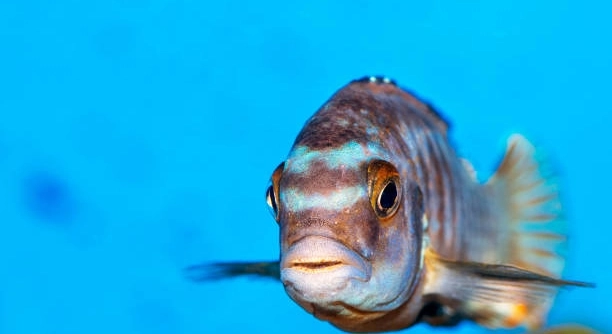
Cichlid spawning can be a stressful time for both the fish and their keepers. Many aquarists notice increased aggression and changes in behavior during this period. Managing this stress is important to keep the fish healthy and breeding successfully.
Handling cichlid spawning stress involves controlling water quality, providing sufficient hiding spots, maintaining stable environmental conditions, and monitoring fish behavior closely. Reducing disturbances and ensuring proper nutrition are also key factors in minimizing stress during breeding.
These tips will help you create a calm environment for your cichlids during spawning and support their natural breeding process with less tension.
Keep Water Quality Stable
Water quality plays a major role in reducing stress during cichlid spawning. It’s important to keep ammonia, nitrite, and nitrate levels low by performing regular water changes. Clean water helps prevent illness and keeps fish comfortable. Make sure to test the water often and adjust as needed. Maintaining the right pH and temperature is also essential, as sudden changes can upset the fish. Using a good filtration system will keep the tank clear and oxygenated. Avoid overcrowding the tank, since too many fish can cause stress and increase waste. A stable and clean environment gives your cichlids the best chance to spawn successfully. I always find that staying consistent with water care prevents most problems during breeding times.
Clean, stable water keeps cichlids calm and healthy. Regular testing and water changes make a big difference in their comfort.
By controlling water quality, you create a safe space where cichlids can focus on spawning instead of dealing with stress from poor conditions. This simple step is a foundation for successful breeding.
Provide Plenty of Hiding Places
Offering hiding spots is crucial to reduce aggression during spawning. Fish need areas where they feel safe and can retreat if needed. Rocks, caves, and plants work well as shelters. Hiding places help lower stress and prevent fights. It’s especially important for weaker or smaller fish to have safe zones. Changing the tank layout slightly before spawning can give fish new spots to explore and claim. Keep in mind that too few hiding spots can increase tension and cause injuries. By providing enough shelters, you help your cichlids feel secure and reduce stress naturally.
Control Feeding During Spawning
Feeding less often during spawning can help reduce stress and aggression. Overfeeding may increase waste, affecting water quality.
Reducing feeding frequency gives the fish less energy to fight and keeps the tank cleaner. Instead of daily meals, feeding every other day or smaller portions helps. Make sure the food is still nutritious to support their energy needs during breeding. Avoid high-protein foods that might increase aggression. Watching how the fish react to feeding changes will help you find the right balance.
Less feeding means fewer leftovers and better water quality. This helps the cichlids stay calmer and focus on spawning. Feeding control is an easy step that improves the overall breeding environment.
Keep Tank Disturbances Low
Minimizing tank disturbances helps reduce stress during spawning. Loud noises or sudden movements can upset the fish.
Keep the tank in a quiet area where it won’t be bumped or shaken. Avoid tapping on the glass and limit how often you open the tank. Frequent disturbances cause fish to hide or become aggressive. Providing a peaceful space lets them behave naturally during breeding. I usually move my tank to a quieter spot when spawning starts, and it makes a noticeable difference in their calmness. Creating a stable routine with less human interaction gives the cichlids the comfort they need.
Monitor Fish Behavior Closely
Watching your cichlids closely helps catch signs of stress early. Aggression, hiding, or loss of appetite are key indicators.
Noticing these behaviors early allows quick action to prevent serious problems. Keeping a daily eye on your fish can make all the difference during spawning.
Maintain Stable Temperature and pH
Stable temperature and pH levels are critical during cichlid spawning. Sudden fluctuations can cause stress and disrupt breeding. Use a reliable heater and thermometer to keep temperature steady. Test the water regularly to monitor pH and adjust if needed. A consistent environment supports healthy behavior and reduces the risk of illness. I’ve found that small changes in temperature can cause noticeable stress, so careful monitoring is important for success.
Reduce Tank Overcrowding
Overcrowding increases competition and stress during spawning. Keeping fewer fish in the tank creates a calmer space for breeding.
FAQ
How can I tell if my cichlids are stressed during spawning?
Signs of stress include increased aggression, hiding more than usual, loss of appetite, and rapid breathing. You might notice fish chasing or nipping each other more often. Some may isolate themselves in hiding spots. These behaviors usually show when the environment isn’t ideal or if there’s overcrowding. Watching your fish daily helps spot these signs early so you can take steps to reduce stress.
What is the best water temperature for cichlid spawning?
Most cichlids do well in temperatures between 75°F and 82°F (24°C to 28°C) during spawning. Keeping the water within this range supports healthy breeding and lowers stress. Sudden temperature changes can cause problems, so it’s important to use a reliable heater and monitor it regularly.
How often should I change the water during spawning?
Frequent water changes are key to stable conditions. Changing 20-30% of the water once a week is usually enough. More frequent changes can help if you notice poor water quality or high waste levels. Always use water that matches the tank’s temperature and pH to avoid shocking the fish.
Can overcrowding affect cichlid spawning?
Yes, overcrowding increases competition for space and resources, which leads to more aggression and stress. Keeping the tank less crowded helps reduce fights and gives each fish enough territory. This creates a more peaceful environment for spawning and protects weaker fish from harm.
What types of hiding spots work best for spawning cichlids?
Natural shelters like rocks, caves, and dense plants provide excellent hiding places. PVC pipes or aquarium decorations can also work if placed carefully. The goal is to create multiple safe zones where fish can retreat and feel secure. This reduces stress and aggression, especially during breeding.
Should I feed my cichlids differently during spawning?
Yes, reducing the amount and frequency of feeding can lower aggression. Feed smaller, balanced meals every other day instead of daily. Avoid high-protein or fatty foods, which can increase activity and fighting. Make sure the food you offer still provides the nutrition needed to support spawning.
How do I keep the pH stable during cichlid spawning?
Test the pH regularly using a reliable kit. Most cichlids prefer a pH between 7.0 and 8.0. Avoid adding chemicals suddenly to change pH. Instead, use natural methods like adding crushed coral or buffering substrates to keep it stable. Sudden shifts can cause stress and disrupt spawning.
What should I do if aggression gets out of control?
If fights become severe, consider separating the most aggressive fish temporarily. Adding more hiding places or rearranging the tank layout can help break up established territories. Reducing feeding slightly may also calm fish down. In extreme cases, lowering the number of fish may be necessary to protect weaker ones.
Can I use plants to help reduce spawning stress?
Yes, live or artificial plants create natural hiding spots and break sight lines. This helps reduce aggression by giving fish places to escape and lessening territorial disputes. Choose sturdy plants that can withstand cichlid activity or opt for realistic artificial ones if live plants don’t survive well.
How important is a good filtration system during spawning?
Filtration is very important because it keeps the water clean and oxygenated. Stress increases if the water becomes dirty or low in oxygen. A good filter helps remove waste and maintains water clarity. Make sure the filter flow isn’t too strong, as strong currents can stress the fish during breeding.
Final thoughts are important when it comes to managing cichlid spawning stress. Keeping the environment stable and clean is the foundation of healthy breeding. Regular water changes, proper filtration, and consistent temperature and pH levels help create a safe space for the fish. These basic steps reduce stress and prevent illness, making it easier for cichlids to focus on spawning. When the water conditions are right, the fish behave more naturally, which increases the chances of successful breeding.
Providing enough hiding spots is another key factor to consider. Cichlids often become more aggressive during spawning, and having places to retreat helps lower tension. Rocks, caves, and plants give fish the chance to escape from threats and protect weaker individuals. This not only reduces fighting but also helps keep injuries to a minimum. It is important to arrange these shelters carefully to create a balanced territory for the fish. Overcrowding the tank or having too few hiding places usually leads to more stress and aggression, which can harm the spawning process.
Watching your cichlids closely and adjusting care as needed is also essential. Feeding less and controlling disturbances in the tank can calm the fish during this sensitive time. Avoid loud noises, tapping on the glass, and sudden changes to the tank environment. These simple actions show respect for the fish’s natural behavior and help them feel secure. By paying attention to their needs and responding with small changes, you support healthier, less stressful spawning. Over time, following these tips will help you enjoy the rewarding experience of breeding cichlids successfully.

Hello,
If you enjoy the content that we create, please consider saying a "Thank You!" by leaving a tip.
Every little bit helps us continue crafting quality advice that supports the health, happiness, and well-being of pets around the world, for pets of all shapes, sizes, and species.
We really appreciate the kindness and support that you show us!