
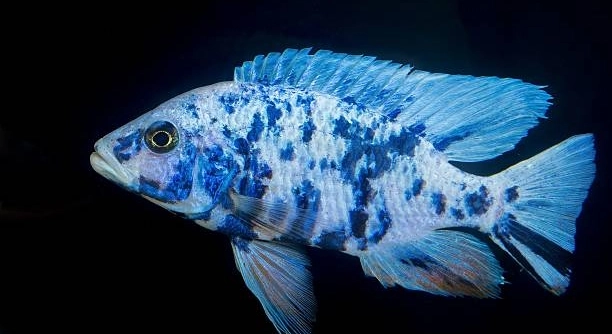
Fry can sometimes display aggressive behavior, making their tank environment stressful for both the fish and their owner. Observing signs like chasing, nipping, or sudden bursts of movement is common in crowded or competitive settings.
Aggressive fry behavior often arises from territorial disputes, inadequate space, or nutritional deficiencies. Ensuring proper tank size, providing hiding spots, and maintaining consistent feeding schedules can significantly reduce stress and aggression, promoting healthier social interactions and overall fry development.
Managing these behaviors early helps create a calmer environment for all your fish. With simple adjustments, you can support their growth and harmony.
Understanding Aggression in Fry
Fry aggression usually starts with competition for food and space. When multiple fry occupy a small tank, they may chase or nip at each other. This behavior is more noticeable in fast-growing species or those with strong territorial instincts. Observing the fry closely helps identify which individuals are more dominant or easily stressed. Environmental factors like poor water quality, inconsistent temperature, or lack of hiding spots can worsen aggression. Providing visual barriers, gentle currents, and adequate space reduces tension among fry. Feeding small amounts frequently can prevent fights over food. Certain species naturally exhibit more assertive behaviors, and recognizing this early helps in planning tank arrangements and managing group dynamics. Consistency in care routines also reassures fry, lowering stress levels and aggressive tendencies. Regular monitoring and minor adjustments can prevent injuries and loss, ensuring the fry thrive in a more peaceful environment. Attention to these details makes a notable difference.
Aggression among fry often reflects environmental stress and competition for resources. Reducing these factors can prevent injuries and promote healthy growth.
Observing fry behavior daily allows you to spot patterns in aggression. Dominant fry often chase weaker ones, leaving them stressed or injured. Rearranging tank layout, adding plants or hiding spots, and feeding smaller portions frequently can reduce confrontations. Maintaining stable water parameters and proper filtration also contributes to calmer behavior.
Feeding Practices to Reduce Aggression
Proper feeding reduces competition, which is a major trigger for aggressive behavior. Offering smaller, frequent meals ensures all fry receive enough nutrition.
Using multiple feeding points helps prevent dominant fry from monopolizing food. Scatter small portions across the tank rather than dropping everything in one spot. High-quality fry food with balanced nutrients promotes growth and reduces stress-related aggression. Overfeeding can cause water quality issues, which indirectly increases aggressive behavior, so monitoring food intake is crucial. Observing feeding times lets you adjust portion sizes and frequency to suit the group’s needs. Combining this with environmental adjustments, like adding hiding spots, ensures fry interact less aggressively. Regularly cleaning the tank prevents leftover food from decaying and encourages healthier, calmer behavior. Feeding strategies directly influence social dynamics, making them essential in managing fry aggression.
Consistent feeding routines and proper portion control are essential for keeping fry calm and healthy.
Providing a structured feeding schedule allows fry to anticipate meals, reducing competition. Scatter feeding, paired with balanced nutrition, supports all individuals and lowers stress. Maintaining water quality alongside these practices ensures the tank remains a safe space, promoting healthy growth and calmer behavior over time.
Tank Size and Space
A crowded tank increases stress and triggers aggressive behavior in fry. Providing adequate space helps reduce chasing and nipping among individuals.
Larger tanks allow fry to establish personal zones and move freely without constant conflict. Overcrowding forces dominant fry to chase weaker ones, leading to injuries or stunted growth. Adding plants, rocks, or small decorations creates visual barriers, giving fry safe spots to hide. Proper tank size varies by species, so researching the specific needs of your fry is important. Monitoring how fry interact after changes helps determine if additional space or partitions are necessary. A well-planned tank layout improves social behavior and reduces stress.
Adjusting tank size is not just about numbers. Observing fry movement patterns helps identify where tension builds, and minor rearrangements can create calmer interactions. Using gentle filtration and stable water conditions supports a peaceful environment while fry establish territories naturally.
Monitoring Behavior
Regular observation is key to managing aggressive fry. Noticing early signs allows prompt intervention before serious injury occurs.
Track which fry display dominant or overly aggressive tendencies. Recording feeding responses, chasing patterns, and interactions helps identify stress triggers. Early detection allows adjustments such as separating the most aggressive individuals or adding hiding places. Consistency in monitoring ensures that minor issues do not escalate.
Behavioral monitoring also helps refine tank conditions. Changes in lighting, temperature, or décor can influence aggression. Documenting observations over time provides insights into which environmental factors reduce stress. This ongoing practice allows you to make informed adjustments, creating a stable and harmonious environment for fry to grow healthily.
Hiding Spots and Decorations
Adding plants, rocks, or small decorations gives fry places to retreat. These areas reduce stress and limit direct confrontations among more aggressive individuals.
Hiding spots help weaker fry avoid constant chasing. Dense foliage or small caves allow fry to rest safely and reduce overall tension in the tank.
Water Quality
Maintaining clean, stable water is crucial for reducing aggression. Poor conditions increase stress, making fry more likely to chase or nip each other. Regular water changes, proper filtration, and monitoring temperature and pH levels support a calmer environment and healthier growth.
Separating Aggressive Fry
Sometimes the most aggressive fry need to be separated. Isolating dominant individuals temporarily prevents injuries and gives weaker fry space to grow.
FAQ
Why do fry become aggressive even in a well-maintained tank?
Fry can display aggression due to natural instincts, competition for food, or establishing territories. Even in clean water with proper care, some species are naturally more assertive. Crowding or uneven distribution of resources often triggers chasing and nipping among fry.
How can I tell if fry aggression is harmful?
Harmful aggression usually results in visible injuries, torn fins, or persistent stress behaviors such as hiding or refusing food. Minor chasing is normal, but consistent attacks or injured fry indicate that intervention is needed, either by adjusting tank conditions or separating aggressive individuals.
Can changing the tank layout reduce aggression?
Yes. Rearranging decorations, adding plants, and creating visual barriers can break up territories and reduce constant chasing. Fry feel safer with areas to retreat, which lowers stress and aggressive interactions. Small adjustments often make a significant difference.
Does diet affect fry aggression?
Absolutely. Uneven feeding or poor-quality food increases competition, triggering fights. Feeding small, frequent meals and scattering food across the tank helps ensure all fry get their share and reduces stress-driven aggression. Balanced nutrition also supports healthy growth, which indirectly reduces tension.
Is overcrowding a major cause of aggressive behavior?
Overcrowding is one of the most common causes. Fry need space to establish zones and move freely. When the tank is too small, dominant individuals chase others constantly, causing injuries and stunted growth. Increasing tank size or reducing fry numbers can quickly improve behavior.
Should aggressive fry be separated permanently?
Permanent separation is rarely needed unless aggression is extreme. Temporary isolation allows weaker fry to recover and dominant fry to calm down. Observation during reintegration helps ensure the tank remains balanced and peaceful without unnecessary long-term isolation.
How often should I monitor fry behavior?
Daily observation is ideal. Watching interactions during feeding and rest times helps spot early signs of aggression. Keeping a record of patterns allows adjustments in tank layout, feeding, or group composition before problems escalate. Regular monitoring ensures a stable environment.
Do water parameters influence aggression?
Yes. Poor water quality, sudden temperature changes, or fluctuating pH increases stress, making fry more prone to chase and nip. Stable, clean water with consistent filtration supports calmer behavior and healthier development. Regular testing and maintenance are essential.
Can certain species of fry be more aggressive than others?
Some species naturally display stronger territorial or competitive behaviors. Understanding the temperament of your specific fry helps plan tank size, hiding spots, and group numbers to reduce stress-related aggression effectively. Species research is crucial before mixing fry.
What are the signs that hiding spots are working?
When fry use plants, caves, or decorations to retreat during confrontations, stress behaviors decrease, and chasing becomes less frequent. Weaker fry appear more relaxed and feed regularly. Observing these changes confirms that environmental adjustments are helping to reduce aggression.
Is frequent water change necessary to control aggression?
Frequent water changes keep conditions stable, preventing stress-induced aggression. While not a direct solution for fighting, maintaining cleanliness reduces environmental triggers and supports overall fry health. Combined with adequate space, hiding spots, and proper feeding, it contributes to a calmer tank.
How can I manage aggression in a mixed-species fry tank?
Careful planning is essential. Avoid mixing highly territorial species with passive ones. Ensure sufficient space, hiding spots, and evenly distributed food. Monitor behavior closely, and be prepared to separate individuals if chasing or nipping becomes persistent. Balance is key to preventing stress-related aggression.
Can lighting affect fry behavior?
Harsh or constant lighting can increase stress, leading to aggressive behavior. Providing natural light cycles or dimmed areas encourages calmer interactions. Adjusting lighting to mimic natural conditions helps fry establish territories without constant conflict.
When should I seek advice from a professional?
If aggression results in frequent injuries, stunted growth, or persistent stress despite adjustments, consulting an experienced aquarist or veterinarian is recommended. Professional guidance can help identify species-specific needs, environmental issues, or dietary problems that may not be obvious.
Are there any long-term effects of aggression on fry development?
Persistent aggression can stunt growth, weaken immune systems, and increase mortality. Early intervention through monitoring, proper feeding, hiding spots, and tank adjustments is essential to ensure healthy development and reduce long-term stress.
How do I balance tank conditions for large groups of fry?
Provide ample space, regular feeding, multiple hiding spots, and stable water parameters. Observe behavior to identify dominant or stressed individuals. Minor rearrangements and temporary isolation of aggressive fry maintain balance and help all individuals grow calmly.
Can behavioral enrichment reduce aggression?
Yes. Adding plants, small decorations, or floating objects allows fry to explore and establish personal zones. Enrichment prevents boredom and reduces constant chasing, promoting healthier social interactions. Rotating decorations occasionally keeps the tank environment stimulating.
Is it normal for fry to chase each other during feeding?
Minor chasing is typical as fry compete for food. Problems arise when dominant fry consistently prevent weaker ones from eating. Scattering food and offering multiple feeding points reduces these conflicts and ensures balanced nutrition.
What is the best overall strategy to handle aggressive fry?
Combining adequate space, proper feeding routines, stable water conditions, hiding spots, and behavioral monitoring is most effective. Early detection and minor adjustments prevent injuries, reduce stress, and create a calmer environment, supporting fry growth and healthy social interactions.
How long does it take to see improvements after changes?
Behavioral changes can appear within days if adjustments are effective. Fry may begin using hiding spots, chasing less, and feeding calmly. Continued observation and minor tweaks help maintain improvements and prevent relapse into aggressive patterns.
Final Thoughts
Managing aggressive fry behavior is an essential part of keeping a healthy and balanced tank. Fry naturally display competitive behaviors, and some level of chasing or nipping is normal. However, consistent aggression can lead to injuries, stress, and stunted growth. Paying close attention to their environment, feeding routines, and interactions is key to preventing serious issues. Even small adjustments, like adding hiding spots or rearranging tank decorations, can make a significant difference. Observing daily behaviors allows you to catch early signs of aggression before they escalate, ensuring that all fry have the space and safety they need to thrive. Understanding that each fry is unique and may respond differently to their surroundings helps in creating a tank setup that reduces tension and promotes calmer interactions.
Providing a proper tank setup and consistent care routine is one of the most effective ways to reduce aggression. Adequate tank size gives fry room to move freely without constant conflict, and adding plants or small decorations creates safe zones for weaker individuals. Feeding practices also play an important role, as uneven access to food is a common trigger for aggressive behavior. Offering small, frequent meals and scattering food across the tank ensures all fry receive proper nutrition. Maintaining clean water, stable temperature, and balanced pH levels reduces stress, which is closely linked to fighting and nipping. Combining these strategies creates an environment where fry can grow naturally while minimizing harmful interactions. Over time, these adjustments promote healthier growth and allow fry to develop normal social behaviors without constant conflict.
Behavioral monitoring and timely interventions are equally important in managing fry aggression. Observing dominant or overly aggressive individuals and taking steps to reduce stress, such as temporary separation or additional hiding spots, prevents injuries and ensures weaker fry have space to thrive. Paying attention to subtle signs, like hiding, erratic swimming, or refusal to eat, can help identify when intervention is necessary. Over time, consistent care and adjustments lead to a calmer tank environment where fry interact more naturally. Managing aggression is not about eliminating all competitive behaviors, but about reducing harmful conflicts and providing an environment that supports growth, health, and overall well-being. By combining proper tank management, feeding, and careful observation, fry can develop in a safer, more balanced environment, ensuring long-term success in their growth and social behavior.

Hello,
If you enjoy the content that we create, please consider saying a "Thank You!" by leaving a tip.
Every little bit helps us continue crafting quality advice that supports the health, happiness, and well-being of pets around the world, for pets of all shapes, sizes, and species.
We really appreciate the kindness and support that you show us!