
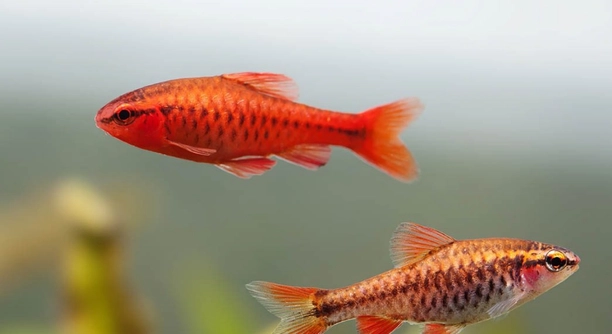
Are your cherry barbs ready to breed, but you’re not sure where to start? Preparing these fish for breeding requires a little planning and knowledge. Proper care and environment play key roles in ensuring a successful breeding experience.
To get cherry barbs ready for breeding, focus on water conditions, diet, and proper tank setup. They thrive in slightly acidic, warm water with well-maintained filtration. Providing a balanced diet of live and high-quality foods will also encourage breeding behavior.
Setting up a breeding tank with the right conditions can make a world of difference. Once you get it right, you’ll be closer to seeing your cherry barbs successfully spawn and thrive.
Water Conditions for Breeding Cherry Barbs
One of the most important factors in preparing cherry barbs for breeding is water quality. These fish prefer slightly acidic water with a pH between 6.0 and 7.5. The water temperature should be kept around 75-80°F (24-27°C). Maintaining clean water is essential, so regular water changes are a must. Good filtration helps prevent harmful toxins from building up. A sponge filter is often recommended because it offers gentle filtration, which is less likely to harm the delicate eggs or fry. Ensuring the water conditions are stable and consistent will promote the health of your fish and encourage breeding.
Changing the water at least once a week, while keeping an eye on water parameters, will help maintain an ideal environment.
The proper water conditions set the stage for successful breeding. If the environment is stable, the cherry barbs will feel comfortable and ready to spawn. Keeping stress levels low is key, as even slight changes in water conditions can disrupt their breeding cycle.
Setting Up the Tank for Breeding
Providing a dedicated breeding tank will improve the chances of success. A tank of around 10 to 20 gallons is ideal. Make sure to add some fine-leaved plants or spawning mops where the fish can lay their eggs. You should also include some small hiding spots to help reduce stress during the breeding process. Avoid placing any aggressive species or overcrowding the tank, as this can create unwanted tension.
A well-planted tank with plenty of hiding spots provides a natural environment where the cherry barbs can feel safe and ready to breed. Adding soft lighting will also reduce stress.
Once your tank is set up, keep an eye on the cherry barbs. If the water and setup are correct, you’ll notice the males become more active and begin courting the females. Having the right space and environment will encourage natural breeding behaviors.
Diet to Encourage Breeding
To help get cherry barbs ready for breeding, focus on providing a nutritious diet. Offer a mix of high-quality flakes, live foods like brine shrimp, and frozen foods. This variety ensures they receive all the necessary nutrients. A healthy diet will encourage the fish to spawn when conditions are right.
Cherry barbs require a diet that supports their energy levels and overall health. Live foods, such as daphnia or mosquito larvae, are excellent options to simulate natural food sources. They help trigger spawning behavior in these fish. Make sure the fish are well-fed, but avoid overfeeding, as this can affect water quality. A balanced, nutrient-rich diet can improve the chances of successful breeding.
Providing live and frozen foods, along with a few plant-based options, will help your cherry barbs stay healthy and ready for breeding. These foods also encourage more vibrant colors and stronger, healthier fish, which is essential for attracting mates and ensuring good spawning results.
Ensuring the Right Lighting
Proper lighting is a key factor in encouraging cherry barbs to breed. Keep the tank lit for around 10 to 12 hours a day. This helps regulate their natural circadian rhythm, mimicking the light cycles they would experience in their native environment. Make sure the lighting isn’t too harsh, as this can stress them out.
A soft, natural light is best for stimulating breeding behaviors. You can use a timer to control the lighting schedule, ensuring consistency. Cherry barbs tend to spawn in the early morning when the lighting is dimmer, so keeping the tank lit in a controlled manner will help trigger this behavior.
It’s important to note that too much light can cause algae growth, which may affect water quality. Keeping the lighting soft and steady will help your cherry barbs maintain a healthy, stress-free environment and improve your chances of successful breeding.
Temperature Control for Breeding
The water temperature plays a crucial role in breeding. Keep it between 75-80°F (24-27°C). Warmer water will increase the metabolism of the fish, making them more active and encouraging breeding. However, do not exceed the recommended range, as this can stress the fish and hinder successful breeding.
Maintaining a consistent temperature is essential for creating a comfortable breeding environment. A reliable aquarium heater will help keep the water temperature stable, even if room temperature fluctuates. Consistent warmth will signal to the fish that the breeding season has arrived, encouraging them to spawn.
Gender Identification
Identifying the male and female cherry barbs is vital for a successful breeding attempt. The males are usually more vibrant in color, especially during the breeding season. They display a bright red hue that attracts females, while females are typically more subdued with a lighter color.
Observing the males’ behavior during courtship will also help you identify them. They will often chase the females and try to show off their colors to gain attention. Knowing the difference will allow you to separate the sexes and promote successful breeding efforts.
Breeding Behavior
Once your cherry barbs are ready to breed, the males will become more active and chase the females around the tank. They will engage in a display of bright colors to attract the females. The males often nudge and nuzzle the females, encouraging them to lay eggs.
The females will eventually deposit their eggs on plants or other surfaces in the tank. After spawning, it’s important to remove the adults to prevent them from eating the eggs. The fertilized eggs will hatch in a few days, and the fry will begin swimming soon after.
FAQ
What do cherry barbs need for breeding?
Cherry barbs need clean, slightly acidic water, a stable temperature, and a well-planted tank to breed. Offering a balanced diet with live foods, such as brine shrimp, helps encourage breeding. Providing them with hiding spots and soft lighting also reduces stress, making the fish feel more comfortable and ready to spawn.
How do I set up a breeding tank for cherry barbs?
A breeding tank should be around 10-20 gallons. Make sure to include fine-leaved plants or spawning mops for the female to lay her eggs on. You also want to add hiding spots to reduce stress. Avoid aggressive species and overcrowding to keep a peaceful environment. Maintain good water quality with a sponge filter.
How can I tell the difference between male and female cherry barbs?
Male cherry barbs are more colorful, often displaying bright red hues during the breeding season. They are smaller than females and have slimmer bodies. Females, on the other hand, are usually a lighter color, more subdued in appearance, and are slightly larger with rounder bodies. The males’ vibrant colors help them attract the females.
How do I encourage cherry barbs to breed?
Encourage breeding by maintaining the proper water conditions: slightly acidic water, a temperature between 75-80°F, and stable water quality. Feed them a varied diet of high-quality flakes, live foods, and frozen options. Adding gentle, soft lighting and providing a dedicated breeding tank will also help stimulate breeding behavior.
Do cherry barbs breed easily?
Cherry barbs can breed fairly easily when their environment is right. They are relatively hardy and not overly picky about breeding conditions. As long as the water quality is good, the temperature is stable, and the fish are well-fed, breeding usually occurs without much difficulty. However, separating the sexes before spawning can help increase your success rate.
What do I do after cherry barbs lay eggs?
Once the female lays the eggs, it’s important to remove the adult fish from the tank. Cherry barbs may eat their eggs or fry if they are left in the tank. The eggs will hatch in a few days, and the fry will begin swimming around the tank soon after. Make sure the fry have small foods like infusoria or powdered fry food to eat as they grow.
How long does it take for cherry barb eggs to hatch?
Cherry barb eggs typically hatch within 2-4 days, depending on the water temperature. Warmer temperatures will speed up the hatching process. Once hatched, the fry will be small and need specialized care, such as feeding with infusoria or finely crushed food until they are large enough to eat standard fish food.
Can I keep cherry barbs with other fish while breeding?
It’s best to keep cherry barbs in a separate tank while breeding to ensure the eggs and fry are safe. Other fish in the tank may eat the eggs, and aggression from other species can stress the barbs. However, once the fry are large enough, they can be moved to a community tank with peaceful tank mates.
What is the best temperature for cherry barbs to breed?
The best temperature range for breeding cherry barbs is between 75-80°F (24-27°C). Keeping the water within this range helps increase their metabolism and makes them more active, promoting breeding behavior. However, temperatures that are too high or low can stress the fish and interfere with successful spawning.
How do I encourage male cherry barbs to display their colors?
Male cherry barbs tend to show off their bright red colors when they are ready to breed. To encourage this, make sure the water temperature is within the proper range, and provide a well-planted tank. Lighting plays a role as well—ensure the tank has soft, natural light, which will allow the males to display their colors more vibrantly.
Why are my cherry barbs not breeding?
If your cherry barbs are not breeding, check the water conditions, temperature, and diet. Ensure the pH is slightly acidic, the temperature is stable, and the tank is clean. A varied diet of live foods and high-quality flakes is essential. Also, consider adding more plants or spawning mops, as these are key for encouraging breeding behavior. Stress can also prevent breeding, so make sure the tank setup is peaceful.
How do I care for cherry barb fry?
Cherry barb fry require small, frequent feedings. Start by feeding them infusoria or finely crushed flakes until they are big enough to eat larger foods. Keep the water clean with regular water changes, and ensure that the fry have plenty of hiding spots. As they grow, you can introduce larger foods like baby brine shrimp.
How often should I change the water in a breeding tank?
In a breeding tank, it’s important to do regular water changes to keep the water clean. Perform a 25-30% water change every 1-2 weeks to maintain optimal water quality. This is especially important in a breeding tank, as poor water quality can stress the fish and affect the health of the eggs and fry.
Can I use a filter in the breeding tank?
Yes, but it’s best to use a sponge filter in the breeding tank. Sponge filters provide gentle filtration that won’t harm the eggs or fry. They also prevent debris buildup and maintain clean water. Avoid using strong power filters, as they can disrupt the delicate environment needed for breeding.
Final Thoughts
Breeding cherry barbs can be a rewarding experience if you provide the right conditions and care. These fish are relatively easy to breed compared to other species, as long as you focus on their water conditions, diet, and tank setup. Maintaining stable water temperature, ensuring the water is slightly acidic, and feeding them a variety of foods are essential steps to help trigger their breeding behavior. Cherry barbs thrive in well-planted tanks, which offer them plenty of hiding spots and places to lay their eggs.
It’s important to create a stress-free environment for your cherry barbs. Avoid overcrowding the tank and ensure that the water quality remains high through regular water changes. This not only promotes breeding but also keeps the fish healthy. Adding plants and other structures like spawning mops will give the female barbs a place to lay their eggs, while the males will feel encouraged to court and show off their bright colors. If you follow these guidelines, you’ll likely see your cherry barbs begin to spawn successfully.
Once your cherry barbs have spawned, be mindful of the fry’s needs. Keeping the adult fish away from the tank once the eggs are laid ensures the safety of the eggs and fry. The small fry will need special care, such as feeding them infusoria until they are large enough to consume other foods. Over time, they will grow stronger and more independent. If you continue to provide proper care, you can enjoy watching your cherry barbs thrive and reproduce, making the breeding process both enjoyable and educational.

Hello,
If you enjoy the content that we create, please consider saying a "Thank You!" by leaving a tip.
Every little bit helps us continue crafting quality advice that supports the health, happiness, and well-being of pets around the world, for pets of all shapes, sizes, and species.
We really appreciate the kindness and support that you show us!