
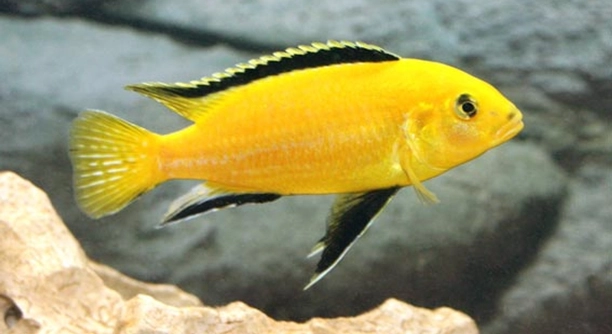
Electric Yellow Cichlids are colorful and lively fish that bring charm to any aquarium. Many hobbyists enjoy watching them interact, and breeding these vibrant fish can be a rewarding experience for enthusiasts looking to expand their collection.
Encouraging Electric Yellow Cichlids to spawn involves maintaining stable water conditions, providing a nutritious diet, offering suitable breeding spaces, and monitoring their behavior to identify readiness. Consistent care and attention are essential for successful reproduction in captivity.
Successfully breeding these fish requires understanding their natural tendencies and needs. Small adjustments in their environment and routine can greatly improve the chances of spawning and healthy fry development.
Preparing the Tank for Spawning
Before attempting to breed Electric Yellow Cichlids, the tank setup must be ideal. Ensure the aquarium is at least 55 gallons to provide enough space for swimming and territorial behavior. Use a reliable filter to maintain clean water and stable conditions. A heater is important to keep the water temperature consistent between 78°F and 82°F, which encourages spawning. Include flat rocks, caves, and hiding spots to mimic their natural habitat. Avoid overcrowding the tank, as stress can prevent breeding and reduce the overall health of the fish. Regular water testing for pH, ammonia, nitrites, and nitrates is essential. Keep the pH around 7.8 to 8.6, and make partial water changes of about 25% weekly to maintain optimal quality. Proper lighting helps maintain natural behaviors, with 10-12 hours of light each day. Introducing new tank decorations can stimulate interest and territory formation among the fish, which supports natural breeding instincts.
A clean, well-decorated tank encourages natural behavior and increases the likelihood of successful spawning.
Maintaining water quality and providing a structured environment are key to healthy breeding. Tanks that are too small, poorly filtered, or overly crowded lead to stress, aggression, and limited reproductive success. Observing the fish for signs of readiness, like color intensification and territorial behavior, ensures timely intervention. Offering spaces for laying eggs, such as flat rocks or cave-like structures, gives the female a secure place for spawning. Consistent temperature and pH levels are critical, as fluctuations can disrupt mating behavior. Feeding a balanced diet rich in protein and vitamins also strengthens their reproductive health. By combining proper tank conditions with attentive observation and care, breeding Electric Yellow Cichlids can become a manageable and rewarding process. Adjustments may be necessary depending on individual fish behavior, but consistency and patience often lead to successful fry development.
Choosing a Breeding Pair
Selecting compatible male and female Electric Yellow Cichlids is crucial for successful spawning.
A male with bright colors and a female with a slightly rounded belly indicate readiness. Look for healthy, active fish that show minimal aggression toward each other. Pairing compatible fish reduces stress and improves egg fertilization.
Once a suitable pair is identified, monitor their interactions closely. Introduce them in a neutral tank if possible to prevent territorial disputes. The male should display courtship behaviors, including flaring fins and cleaning surfaces. The female will respond by showing interest in the spawning site. Avoid mixing multiple males with one female to reduce aggression. Feeding them a high-quality diet helps increase fertility and energy levels. Keep water parameters stable, and make small adjustments gradually to avoid shocking the fish. Observing subtle behaviors allows intervention if conflicts arise. By carefully selecting and managing the breeding pair, the likelihood of successful egg-laying and fertilization increases, supporting the growth of a healthy fry population.
Feeding and Nutrition
A high-protein diet improves breeding success. Offer a mix of quality flakes, pellets, and frozen foods like brine shrimp or bloodworms.
Consistent feeding helps strengthen the fish and encourages reproductive behavior. Protein-rich foods improve egg development in females and increase sperm quality in males. Include fresh vegetables occasionally for balanced nutrition. Avoid overfeeding, as leftover food can pollute the tank, affecting water quality and stress levels. Providing a varied diet mimics natural conditions, which can trigger spawning instincts. Feeding smaller portions multiple times a day ensures proper digestion and maintains energy levels. Observing how the fish respond to different foods can help identify preferences that boost reproductive readiness.
Monitoring nutrition also helps detect health issues early. Malnourished or overweight fish may show reduced mating behavior. Adjusting feeding routines before and during spawning improves overall vitality. Keeping track of how each fish reacts to diet changes ensures they remain active and healthy. Adequate nutrition directly impacts the number of eggs laid and the strength of fry. By maintaining a consistent, balanced feeding plan, the breeding pair is more likely to engage in natural courtship and spawning behavior.
Water Conditions and Maintenance
Stable water conditions are essential for breeding success.
Regularly check temperature, pH, and hardness to match their natural environment. Partial water changes prevent toxin buildup and maintain clarity. Filtration should be efficient but not create strong currents.
Electric Yellow Cichlids are sensitive to sudden changes in water quality. Rapid fluctuations in temperature or pH can stress the fish, reducing the likelihood of spawning. Maintain a stable temperature between 78°F and 82°F and monitor pH levels closely. Hardness should be moderate, similar to their native waters. Perform weekly partial water changes of 20-30% to remove waste and prevent ammonia or nitrite spikes. Use gentle filtration that provides oxygenation without disturbing the breeding pair. Observing fish behavior during maintenance helps identify stress or illness early. Small, consistent adjustments are safer than drastic changes. By prioritizing stable water conditions and routine maintenance, breeding efforts are supported, and the environment remains conducive to egg-laying and fry survival.
Lighting and Environment
Consistent lighting helps regulate spawning behavior. Provide 10-12 hours of light daily, followed by darkness to mimic natural day-night cycles.
Adding flat rocks, caves, and hiding spots encourages territorial behavior and gives females safe places to lay eggs.
Observing Spawning Behavior
Males will display brighter colors and clean surfaces to attract females. Females may appear more rounded as eggs develop. Courtship includes fin flaring, gentle nudging, and following each other around the tank. Recognizing these behaviors helps determine the right time for intervention and ensures a higher chance of successful fertilization. Regular observation allows adjustments in tank setup or pair management to prevent stress and aggression, supporting a smoother spawning process.
Separating Fry
Once eggs hatch, parents may become aggressive. Carefully moving fry to a separate rearing tank increases survival rates.
FAQ
How often do Electric Yellow Cichlids spawn?
Electric Yellow Cichlids can spawn every few weeks under optimal conditions. Their breeding frequency depends on water quality, diet, and overall health. Providing stable water parameters and a high-protein diet encourages regular spawning cycles. Consistency and observation of their behavior are key to predicting when they will breed next.
What is the ideal tank size for breeding?
A minimum of 55 gallons is recommended for a breeding pair. Larger tanks help reduce aggression and provide ample territory for both the male and female. Adequate space prevents stress, which can hinder spawning, and allows for the inclusion of multiple hiding spots and flat surfaces for egg-laying.
Do I need to separate the male and female after spawning?
It is usually not necessary initially, but parents can become aggressive once fry hatch. Separating the fry into a nursery tank increases survival rates and reduces the risk of adult aggression. Observation is important to decide when intervention is needed.
How long do eggs take to hatch?
Electric Yellow Cichlid eggs generally hatch within 3 to 4 days. The exact timing depends on water temperature and quality. Warmer, stable temperatures promote faster development, while fluctuations can delay hatching or reduce survival rates.
What should I feed the fry?
Fry need small, protein-rich foods like newly hatched brine shrimp, micro pellets, or finely crushed flakes. Feeding multiple times a day in small portions supports growth and ensures they receive enough nutrition without polluting the tank. Gradually introduce larger foods as they grow.
How can I tell if my fish are ready to spawn?
Males show intensified coloration and begin cleaning flat surfaces. Females develop a rounded belly, indicating mature eggs. Both fish become more territorial and show interest in the chosen spawning site. Monitoring these signs helps time any adjustments in tank conditions or diet for better breeding success.
What water parameters are best for breeding?
Maintain a temperature between 78°F and 82°F, pH from 7.8 to 8.6, and moderate hardness. Regular partial water changes help prevent ammonia and nitrite buildup, and stable parameters reduce stress, promoting spawning behavior. Avoid sudden fluctuations, which can disrupt mating.
Can multiple pairs breed in the same tank?
It is possible but increases the risk of aggression. Males may compete for territory, stressing females and reducing spawning success. Using separate tanks for each pair is recommended for controlled breeding and higher fry survival. Observation and intervention are necessary if multiple pairs are housed together.
How do I encourage courtship behavior?
Provide a high-protein diet, stable water parameters, and suitable spawning sites. Clean rocks, caves, and adequate space encourage natural territorial and courtship behaviors. Observing the pair and maintaining a stress-free environment allows them to display mating rituals, which improves the chances of fertilized eggs.
What is the best way to clean the tank during breeding?
Perform small, frequent water changes to maintain cleanliness without disturbing the spawning pair. Use gentle filtration and avoid major rearrangements of rocks or hiding spots. Minimal disturbance prevents stress, which is crucial for successful fertilization and healthy fry development.
How do I prevent disease during spawning?
Maintain clean water, provide a balanced diet, and quarantine new fish before introducing them to the breeding tank. Avoid overfeeding and monitor for signs of illness, such as lethargy or unusual spots. Early intervention and consistent care reduce the risk of infection during the breeding process.
How long should fry stay with parents?
It depends on parental behavior. If aggression develops, fry should be moved to a separate rearing tank after hatching. Otherwise, fry can remain with parents for a few weeks, benefiting from parental protection and observation of natural behaviors. Regular monitoring ensures their safety and growth.
Can environmental changes trigger spawning?
Yes, small adjustments like slightly raising water temperature, improving water quality, or adding new hiding spots can stimulate spawning behavior. Changes should be gradual to avoid stress. Mimicking natural seasonal shifts in the tank helps encourage natural breeding instincts in Electric Yellow Cichlids.
Are there signs that eggs or fry are unhealthy?
Unfertilized eggs may turn white or fuzzy, and fry may appear weak or fail to swim properly. Poor water quality, insufficient nutrition, or disease can cause these issues. Removing unhealthy eggs and maintaining ideal conditions improves survival rates and overall breeding success.
How many fry can I expect per spawning?
A healthy female can lay between 100 to 300 eggs per spawning, depending on age, size, and health. Not all eggs may hatch, and fry survival depends on water quality, nutrition, and parental behavior. Proper care maximizes the number of healthy offspring produced.
What adjustments should I make if spawning is not occurring?
Check water quality, tank size, and diet first. Ensure the pair has suitable breeding spaces and reduce stress from other fish or disturbances. Small, gradual changes often encourage courtship. Observing behavior and making consistent adjustments increases the chances of successful spawning over time.
Is it necessary to use a separate tank for breeding?
A separate breeding tank is not always required, but it allows for better control over water conditions, reduced aggression, and safer fry rearing. Using a dedicated tank simplifies monitoring, feeding, and maintenance, improving overall breeding outcomes and fry survival.
How long does it take for fry to grow into juveniles?
Fry grow quickly under optimal conditions, usually reaching juvenile size in 6 to 8 weeks. Growth depends on consistent feeding, clean water, and proper tank conditions. Regular monitoring ensures healthy development and allows adjustments to diet and environment as they mature.
What is the role of hiding spots for fry?
Hiding spots protect fry from adult aggression and reduce stress. Rocks, plants, or small caves allow fry to explore safely while developing. Providing multiple secure areas increases survival rates and encourages natural behaviors that support growth and healthy development.
Breeding Electric Yellow Cichlids can be a very rewarding experience, but it requires careful attention and consistent care. These fish are naturally vibrant and active, and their breeding process reflects their behavior. Maintaining stable water conditions is the foundation for success. Temperature, pH, and hardness need to remain within the optimal range to encourage spawning. Regular partial water changes help keep the water clean and safe, preventing stress that can interfere with reproduction. A well-maintained filter and gentle circulation ensure the fish have a healthy environment without disturbing their natural activities. Over time, observing the fish closely allows you to notice subtle changes in behavior, indicating readiness to breed or potential issues that may need attention. By focusing on creating a stable, clean, and comfortable habitat, you are setting the stage for successful spawning and fry development.
Nutrition also plays a critical role in breeding success. Electric Yellow Cichlids require a balanced diet rich in protein to develop healthy eggs and sperm. Feeding high-quality flakes, pellets, and occasional frozen foods like brine shrimp or bloodworms helps maintain energy levels and supports reproductive health. Smaller, frequent meals reduce the risk of overfeeding and keep the tank clean, which is just as important as the food itself. Female cichlids with a well-balanced diet produce more viable eggs, while males maintain vibrant colors that attract females and stimulate courtship. Including occasional plant matter or vegetables ensures the fish receive all necessary nutrients for overall health. Paying attention to the diet of both males and females is essential, because their condition directly impacts the number of eggs laid, fertilization success, and the strength of fry after hatching. Proper feeding is not just about quantity but also about quality, variety, and timing to encourage natural breeding behaviors.
Observation and patience are key elements throughout the entire breeding process. Electric Yellow Cichlids show specific behaviors when they are ready to spawn, such as color intensification, cleaning of surfaces, and territorial displays. Recognizing these signs allows timely adjustments in the tank, diet, or pair management to optimize results. After spawning, monitoring eggs and fry ensures they are healthy and protected, especially since parents may occasionally become aggressive. Providing separate rearing areas or hiding spaces for fry increases survival rates and allows them to grow safely into juveniles. Maintaining consistency, being attentive to small details, and making gradual improvements in tank conditions create an environment where these fish can reproduce naturally and successfully. Breeding Electric Yellow Cichlids is a process that benefits from dedication and care, and the results are rewarding both visually and in seeing healthy, thriving offspring grow.

Hello,
If you enjoy the content that we create, please consider saying a "Thank You!" by leaving a tip.
Every little bit helps us continue crafting quality advice that supports the health, happiness, and well-being of pets around the world, for pets of all shapes, sizes, and species.
We really appreciate the kindness and support that you show us!