
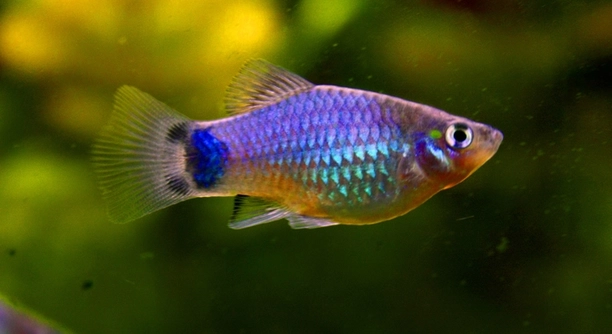
New platy fish can often seem nervous or skittish when first introduced to a new tank. This behavior is common and usually a response to unfamiliar surroundings or sudden changes in their environment. Helping them feel calm is important for their health and well-being.
The best way to calm skittish platy fish is by creating a stable, low-stress environment. This includes providing hiding spots, maintaining consistent water conditions, avoiding sudden movements, and gradually introducing them to the tank. These steps reduce stress and promote natural behavior.
Learning how to help your new platys settle will improve their comfort and your enjoyment as a fish owner. These simple tips will guide you toward a peaceful aquarium atmosphere.
Create Safe Hiding Spots
Platy fish feel more secure when they have places to hide. Adding plants, rocks, or decorations gives them areas to retreat to when they feel nervous. Live plants are especially helpful because they also improve water quality. Floating plants can soften bright tank lights, which sometimes stress new fish. Avoid overcrowding the tank, but make sure there are enough shelters for your platys to explore and rest. When fish can choose where to go, they adjust faster to their new home. Watching them use hiding spots can be rewarding, as it shows they are starting to feel more comfortable. It’s also important to place hiding spots near feeding areas so the fish don’t feel trapped or forced out into open water.
Adding secure hiding places will reduce anxiety and encourage natural behavior in your platy fish.
A calm fish is a healthy fish, and hiding spots are a key part of that calm.
Maintain Consistent Water Conditions
Stable water conditions are critical for calming new platy fish. Sudden changes in temperature, pH, or ammonia levels can cause stress. It’s important to test water regularly and keep these factors steady. Use a reliable heater and filter to support a balanced environment. Avoid changing more than 10% of the water at once during cleanings, as drastic shifts can unsettle your fish. Gradually adjusting water parameters if needed helps platys acclimate without shock. Keeping the tank clean by removing uneaten food and waste also reduces toxins. This stable setting lets your fish feel safe and healthy, which helps them become less skittish over time.
Regular monitoring and gentle maintenance will support your platys’ comfort and long-term well-being in the aquarium. Maintaining good water quality creates a peaceful home for them, making it easier to enjoy watching their natural behavior. Patience and care in this area pay off with happier, calmer fish.
Feed Small Portions Frequently
Feeding small amounts often helps reduce stress in new platy fish. Large meals can overwhelm them or foul the water quickly.
Feeding small portions several times a day mimics their natural grazing behavior. It keeps the fish active and less anxious. Overfeeding can lead to poor water quality, which makes platys more nervous. Using sinking pellets or flakes that spread slowly allows shy fish to eat comfortably without rushing. Watching your fish eat calmly is a good sign they are settling in well.
This method supports healthy digestion and keeps your tank cleaner. Consistent feeding times also help platys establish a routine, further reducing stress.
Avoid Sudden Movements Around the Tank
Quick or loud movements can frighten platy fish, causing them to dart or hide. Keep your actions calm and steady near the aquarium.
When approaching the tank, move slowly and avoid tapping on the glass. Sudden shadows or bright flashes of light can also startle fish. Lowering the room lights or using soft lighting helps create a soothing environment. Over time, your fish will become familiar with your presence and feel safer. Calm behavior around the tank teaches platys that they are not in danger, which encourages them to explore and socialize more freely. Creating this quiet atmosphere benefits both you and your fish by building trust and reducing stress.
Keep the Tank Covered
A covered tank helps platy fish feel more secure by reducing outside distractions and sudden movements. It also prevents them from jumping out.
Using a lid with ventilation keeps the environment stable and safe. This small change can make a big difference in how relaxed your fish feel in their new home.
Introduce Tankmates Carefully
Adding other fish too quickly can stress new platys. Choose peaceful species and add them gradually. Keep an eye on interactions to prevent bullying or competition. A calm community helps platys adjust faster and feel less threatened in their environment.
Provide Gentle Water Flow
Strong currents can overwhelm skittish platy fish. Adjust filters to create a gentle, steady flow that mimics natural conditions and lets your fish swim comfortably without stress.
How long does it take for new platy fish to calm down?
New platy fish usually take a few days to a couple of weeks to become calm and comfortable in a new tank. The exact time depends on factors like tank conditions, presence of hiding spots, and how gradually they were introduced. Stress from sudden changes or poor water quality can extend this period. Consistent care and patience help speed up their adjustment. Observing small improvements in their behavior, such as less hiding and more normal swimming, indicates they are settling in well.
Can handling platy fish help reduce their skittishness?
Direct handling is not recommended because it stresses platy fish more. Instead, focus on creating a calm environment and minimize sudden movements around the tank. Interacting by feeding or gentle tank maintenance helps build trust over time without causing fear. Watching from a distance is better than trying to touch or catch them. Handling should only be done when absolutely necessary, like during tank cleaning or health checks, and should be done carefully to avoid harming the fish.
What are the signs of stress in platy fish?
Signs of stress include hiding constantly, rapid breathing, clamped fins, loss of color, and erratic swimming. Stressed fish may also refuse food or become lethargic. Noticing these early signs is important so you can check water quality, reduce noise or light, and provide more hiding spots. Stress weakens their immune system, making them prone to illness. Addressing stress quickly improves their chances of staying healthy and calm.
Is it okay to keep platys with other fish?
Platys are peaceful and generally do well with other non-aggressive species like guppies, mollies, or tetras. However, adding tankmates too soon after introducing new platys can increase stress. It’s best to let platys settle first, then slowly add compatible fish. Avoid aggressive or very large fish, as they can intimidate or harm platys. A well-chosen community tank encourages natural behavior and social interaction, which helps reduce skittishness.
How important is water temperature for calming platy fish?
Water temperature plays a big role in platy comfort. Platys thrive between 72-78°F (22-26°C). Temperatures outside this range can cause stress and make fish more skittish. Keeping the temperature stable with a good heater avoids sudden drops or spikes. Regular checks prevent fluctuations that upset fish. Proper temperature also supports their immune system and metabolism, helping them adapt faster to a new environment.
Can music or noise affect platy fish behavior?
Loud or sudden noises can startle platy fish and make them more nervous. Continuous background noise at a low volume is usually not harmful, but tapping on the tank or banging nearby causes stress. Keeping the tank in a quiet room or using soft music away from the aquarium helps maintain a calm environment. Fish are sensitive to vibrations, so gentle surroundings are best for their well-being.
What should I do if my platy fish won’t eat?
If a new platy fish refuses food, it may be stressed or adjusting to the new tank. Try feeding small amounts of their favorite food at regular times. Offering live or frozen foods like brine shrimp can encourage eating. Make sure water quality is good, and check that the fish isn’t hiding too much. If they still won’t eat after several days, consider consulting a vet or aquarium specialist to rule out illness. Patience and a stress-free environment are key during this period.
How often should I clean the tank to keep platys calm?
Regular tank cleaning helps maintain water quality and reduces stress for platys. Partial water changes of about 10-20% weekly or biweekly are ideal. Avoid full cleanings, which can disturb beneficial bacteria and cause sudden changes. Remove uneaten food and debris daily to prevent pollution. A clean tank with stable conditions keeps fish healthy and less likely to become skittish or sick.
Are there any special plants that help platy fish feel secure?
Yes, live plants like Java fern, Anubias, and hornwort provide excellent hiding spots and improve water quality. Floating plants like duckweed also soften lighting and offer shelter near the surface. These plants create natural hiding places, helping platies feel safe. They also encourage natural behavior like grazing and exploring. Including a mix of tall and low plants gives fish choices for refuge and comfort throughout the tank.
Can lighting affect the behavior of platy fish?
Bright or sudden lighting changes can make platy fish nervous. Soft, steady lighting is best, mimicking natural conditions. Using a timer to keep a regular day-night cycle helps fish adjust. Avoid placing the tank where sunlight causes glare or rapid temperature changes. Dimmer lighting encourages shy fish to explore and reduces hiding time. Proper lighting also supports plant growth, further improving the tank environment.
Helping new platy fish feel calm and comfortable in their tank takes patience and attention. These small fish can be easily stressed by sudden changes or unfamiliar surroundings, but simple steps make a big difference. Creating a safe environment with hiding spots, stable water conditions, and gentle care allows platys to settle more quickly. When fish feel secure, they show more natural behavior and stay healthier. This care benefits both the fish and the person caring for them.
It is important to keep tank conditions consistent. Avoid sudden changes in temperature or water quality, and feed small portions regularly to keep the fish comfortable. Reducing noise and sudden movements near the tank also helps platys feel less nervous. Watching your fish over time will show when they start to relax and explore their environment. When fish are calm, they are easier to care for and more enjoyable to watch.
Finally, remember that every platy fish is different, and some may take longer to adjust than others. Being patient and observing your fish closely helps you understand what they need. Making small changes like adding plants or adjusting lighting can have a positive effect. Keeping the tank clean and peaceful supports long-term well-being. With steady care and attention, your new platy fish will become confident, active members of your aquarium.

Hello,
If you enjoy the content that we create, please consider saying a "Thank You!" by leaving a tip.
Every little bit helps us continue crafting quality advice that supports the health, happiness, and well-being of pets around the world, for pets of all shapes, sizes, and species.
We really appreciate the kindness and support that you show us!