
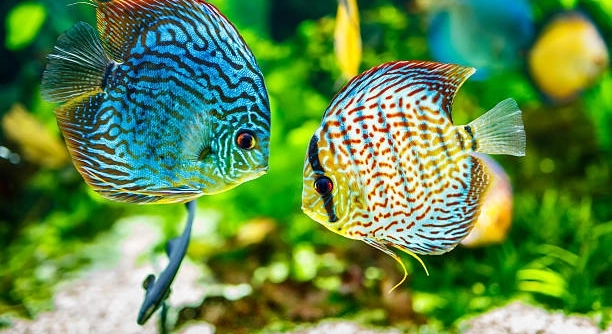
Are your discus fish refusing to breed no matter how well you care for them? Breeding discus can feel frustrating without the right setup and approach, especially when your tank looks perfect but results are lacking.
The key to improving discus reproduction lies in controlling water quality, diet, pair compatibility, and stress levels. By addressing these core elements, hobbyists can significantly increase the chances of successful spawning and ensure healthier fry development.
These tips will help you make practical changes that support natural breeding behavior and long-term success in your discus tank.
Maintain Stable Water Conditions
Discus fish need clean, soft, and warm water to reproduce successfully. Keep the temperature between 82°F and 86°F and maintain a pH around 6.0 to 6.5. Make sure your tank is free of ammonia and nitrites, with nitrates kept as low as possible. Frequent partial water changes, done consistently, help maintain stability. Use a sponge filter to reduce water flow while still supporting biological filtration. Discus are sensitive to changes, so avoid sudden adjustments. Keep lighting gentle and avoid disturbances near the tank. Stress from poor water quality can prevent pairs from bonding or discourage spawning altogether.
Check water parameters daily using a reliable test kit. Regular monitoring helps prevent hidden issues.
When water conditions are right, discus feel more secure and willing to pair up. A stable environment encourages natural behaviors like cleaning surfaces and guarding eggs. Reproduction becomes more predictable when the tank mimics their natural habitat.
Offer High-Quality Foods
Feed your breeding pair a protein-rich diet several times a day. Use frozen bloodworms, beef heart mix, and quality discus pellets.
Nutrition supports the energy discus need for courtship, egg-laying, and fry care. A balanced, high-protein diet also boosts the health and fertility of both fish. Avoid overfeeding, which can lead to poor water quality and bacterial buildup. Clean up uneaten food quickly. Gradually introduce any new foods to prevent rejection. Some keepers rotate between different food types throughout the week for variety. A well-fed pair is more likely to breed successfully, and their fry will also benefit from strong parent fish.
Choose Compatible Breeding Pairs
Not all discus will pair up naturally, even in ideal conditions. Watch for signs of bonding, like swimming together, lip locking, or cleaning surfaces. Forced pairs often don’t last or produce poor results, so let them choose on their own.
Allowing discus to form bonds naturally improves the chances of successful breeding. Place a group of juveniles in a spacious tank and observe them over time. When a pair forms, you’ll notice them staying close and defending territory. Once bonded, move the pair to a separate breeding tank with clean water and minimal disturbance. Avoid overcrowding, as it increases stress and interrupts pairing. It’s best to select fish that are at least 12 to 15 months old and show full body development. Young or unhealthy fish may not produce viable eggs or could neglect the fry. A healthy, compatible pair is the foundation of discus breeding success.
Sometimes pairs don’t produce fertile eggs or may eat their eggs. This can be normal during the first few attempts. Give them time and avoid interfering too much. Some pairs take several spawns to figure out parenting. Monitor closely but only intervene when necessary, such as removing fungus-infected eggs or separating aggressive partners. Keep conditions steady and avoid introducing other fish or distractions. Over time, the pair may improve naturally. If they continue to fail despite ideal conditions and several tries, it may be worth trying a different combination. Pair compatibility isn’t always guaranteed, even with good water and food. Patience makes a big difference in these situations.
Set Up a Proper Breeding Tank
Use a separate breeding tank to give your pair the privacy and calm they need. A 20-gallon tank works well and is easy to manage. Include a heater, sponge filter, and bare bottom for easy cleaning.
Add a vertical spawning surface like a clay cone or a piece of PVC pipe. Keep lighting soft and steady throughout the day. Water temperature should stay around 84°F, and filtration should not create too much movement. A sponge filter is gentle and safe for fry. Bare-bottom tanks help you keep track of eggs and reduce the risk of fungus or bacteria. Avoid decorations or substrate that can trap waste or create hiding places. Frequent small water changes are essential for keeping the environment safe. After spawning, dim the lights slightly to reduce stress. If the parents eat the eggs, consider adding a mesh guard over the spawn site during future attempts.
Limit Stress and Distractions
Discus are sensitive and easily stressed by noise, sudden movements, or tank activity. Keep their environment calm by placing the tank in a quiet spot. Avoid tapping on the glass or making changes during their breeding cycle.
Limit how often you approach the tank. Even frequent staring can unsettle them.
Monitor Eggs and Fry Carefully
Once eggs are laid, watch for signs of fertilization. Fertilized eggs will darken slightly, while unfertilized ones turn white. Remove white eggs early to prevent fungus from spreading. The pair will usually fan the eggs and guard them closely. Avoid interfering unless absolutely necessary. If fungus becomes an issue, consider using a mild methylene blue treatment. Once the eggs hatch, fry will stay attached to the spawning surface for a few days. They’ll then move to the parents’ bodies to feed on their slime coat. Keep water quality high during this stage and avoid large changes. Feeding should begin once the fry start swimming freely.
Keep Tank Temperature Consistent
A stable temperature between 82°F and 86°F encourages spawning and protects fry from stress. Sudden drops or spikes can lead to failed spawns. Use a reliable heater and thermometer to monitor the temperature daily.
FAQ
How old should discus be before breeding?
Discus are usually ready to breed between 12 to 15 months of age. They should be fully grown, healthy, and showing strong coloration and body shape. Younger fish may lay eggs, but those spawns are often infertile or short-lived. Breeding too early can also impact long-term health. Waiting until they are fully mature improves the chances of strong, healthy fry and consistent parental behavior. It also allows time for pairs to form naturally and bond well before being moved to a breeding setup. Mature pairs are more reliable and usually better at caring for their young.
How do I know if my discus pair is bonded?
A bonded pair will swim together, defend a shared space, and clean a surface in preparation for laying eggs. They may perform small, repetitive dances or lock lips briefly. Bonded discus usually stay close and avoid other fish. If a pair constantly fights, ignores each other, or doesn’t share space, they likely aren’t bonded. Bonding is important because forced pairs often don’t spawn successfully or may eat their eggs. Letting pairs form naturally in a group setting is the best way to encourage a lasting bond before placing them in a separate breeding tank.
Why are my discus eating their eggs?
This is common during early breeding attempts. First-time parents often eat their eggs due to stress, inexperience, or unfamiliar surroundings. Bright lighting, sudden movement, or water changes right after spawning can increase anxiety. In other cases, the eggs may not be fertile, and the fish instinctively clean them up. Give the pair time to learn and improve. Some will stop eating their eggs after a few tries. If the issue continues, you can use a mesh guard to protect the eggs or try artificial hatching. Most pairs improve naturally with patience and consistent care.
How often do discus breed?
If conditions are right, a healthy pair can breed every 7 to 10 days. However, it’s important not to overwork the pair. Continuous breeding can weaken the fish, especially if they’re raising fry between spawns. Giving them rest between attempts helps them stay strong. After a successful hatch, many breeders separate the fry to give the parents a break. Monitor their condition and reduce breeding if they start looking thin, tired, or stressed. Regular feeding, clean water, and quiet surroundings will help maintain a natural rhythm without overdoing it.
Do I need to remove the fry or leave them with the parents?
It depends on the pair. Some discus are excellent parents and care for their fry for several weeks. Others may lose interest or become aggressive. If the pair is calm and attentive, it’s okay to leave the fry with them for the first two to three weeks. Watch closely to ensure the fry are feeding on the slime coat and not getting chased. If the parents stop caring or start acting stressed, move the fry to a separate grow-out tank. Either method can work, but success depends on the individual pair’s behavior and temperament.
What should I feed the fry after they leave the parents?
Start with freshly hatched baby brine shrimp. It’s small, nutritious, and easy for fry to digest. Feed several times a day and keep the tank clean by siphoning out waste. After about two weeks, you can gradually introduce finely crushed flakes or powdered fry food. Avoid overfeeding, as leftover food can spoil the water quickly. As they grow, move them to slightly larger foods and space out feeding times. Monitor growth closely and perform frequent water changes to support development. Clean water and proper nutrition are key for growing healthy young discus.
Final Thoughts
Raising discus and helping them breed successfully takes time, patience, and a steady routine. These fish are sensitive to their surroundings, and even small changes can affect their behavior. Clean water, stable temperatures, and a calm environment are key to helping them feel safe enough to spawn. It also helps to spend time learning your pair’s behavior. Some will be more attentive and calm, while others may need more time to get things right. Paying attention to how they act before, during, and after spawning gives you a better chance of helping them raise healthy fry.
Not every spawn will be successful. It’s common for first-time pairs to eat their eggs or ignore the fry. This doesn’t mean something is wrong. Many discus take a few tries before learning to parent well. Keeping conditions consistent, avoiding stress, and giving them the space they need can improve the outcome over time. If problems continue, small changes—like moving the tank to a quieter place or adjusting feeding—can make a difference. It’s also helpful to let pairs form naturally instead of forcing them. Discus tend to do better when they choose their own mates and have time to bond.
You don’t need fancy equipment to improve breeding success. A basic setup with clean, warm water, sponge filters, and good food can work well. The most important part is consistency. Feed the pair high-quality foods, perform regular water changes, and avoid disturbing them too often. Watch closely, take notes, and adjust only when necessary. Over time, you’ll notice patterns in their behavior that can help you predict when they’re ready to spawn again. With care and patience, discus breeding can become a rewarding experience, leading to healthy fry and strong adult fish in your tank.

Hello,
If you enjoy the content that we create, please consider saying a "Thank You!" by leaving a tip.
Every little bit helps us continue crafting quality advice that supports the health, happiness, and well-being of pets around the world, for pets of all shapes, sizes, and species.
We really appreciate the kindness and support that you show us!