
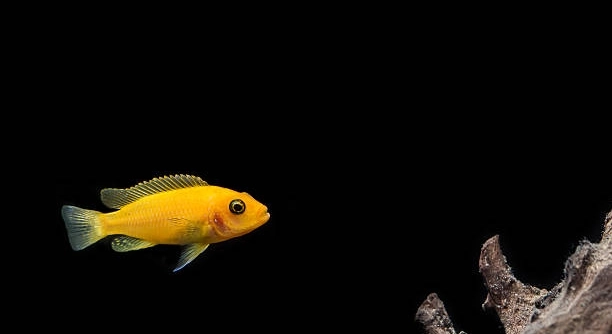
Caring for baby cichlids can be a rewarding experience for any fish keeper. These small, delicate fish require special attention to ensure they grow strong and healthy. Proper care helps them thrive in a home aquarium environment.
Providing stable water conditions and appropriate nutrition is essential for the successful rearing of baby cichlids. Regular monitoring of water quality, feeding suitable foods, and maintaining a clean tank promote optimal growth and reduce mortality rates among these fish.
Learning the right techniques for baby cichlid care can improve their survival and overall well-being. The following tips offer practical guidance to support their development.
Maintaining Stable Water Conditions
Keeping the water stable is one of the most important parts of caring for baby cichlids. Sudden changes in temperature or pH can stress them out and make them more likely to get sick. It’s best to use a reliable heater to keep the temperature steady between 75 and 82°F. Testing the water regularly helps catch any shifts in pH or ammonia levels early. A good filter is also important because it removes waste and keeps the water clean. However, make sure the filter flow is gentle enough to avoid harming the small fish. Frequent water changes, about 20% weekly, keep the tank healthy without shocking the cichlids. Stable water conditions help baby cichlids build strong immune systems and grow properly.
Regular water testing and gentle filtration are key steps to keep baby cichlids healthy.
Patience is vital during this phase. Avoid rushing changes and give the water time to settle after any adjustments. Keeping conditions steady is better than trying to fix problems quickly with drastic changes. This reduces stress on the fish and helps them thrive.
Feeding Baby Cichlids
Feeding baby cichlids the right food is crucial for their growth. They need small, nutritious meals several times a day.
Baby cichlids require foods that are easy to digest and rich in protein. Starting with finely crushed flakes or specialized fry food is a good choice. Live or frozen foods like baby brine shrimp or micro worms also provide essential nutrients and encourage natural feeding behavior. Avoid overfeeding because leftover food can pollute the water and cause health problems. Feed small amounts and remove any uneaten food after a few minutes. Feeding frequency can be gradually reduced as the cichlids grow larger. Proper feeding supports strong development and helps prevent malnutrition and disease.
Monitoring how much and how often you feed baby cichlids helps maintain a clean tank environment. This balance between nutrition and cleanliness is essential to their health.
Providing Hiding Spaces
Baby cichlids feel safer when they have places to hide. This reduces stress and lowers the chance of aggression.
Adding plants, rocks, or small caves creates shelter and breaks up the tank’s open areas. These hiding spots mimic their natural environment, helping the young fish feel more secure. It also reduces bullying from older or larger tank mates. Avoid sharp decorations that could injure delicate fins. Regularly check and clean these areas to prevent waste buildup, which can affect water quality. Creating a balanced environment with enough hiding spaces supports the baby cichlids’ growth and comfort, encouraging healthy behavior.
Hiding spots also give the fish a chance to rest away from constant activity, which is important for their development.
Monitoring Growth and Health
Watch your baby cichlids carefully for signs of growth and illness. Early detection helps prevent serious problems.
Track their size and color changes over time. Healthy baby cichlids grow steadily and develop brighter colors. Watch for unusual behavior such as lethargy, loss of appetite, or difficulty swimming. These could be signs of stress or disease. Quarantine any sick fish to avoid spreading illness. Keeping a log of observations helps you notice patterns and respond quickly. Healthy fish show active swimming and curiosity. Regular tank maintenance and water checks support their immune systems, reducing the risk of illness.
Prompt action when problems arise helps maintain a thriving group of baby cichlids and ensures they reach maturity safely.
Avoiding Overcrowding
Too many baby cichlids in one tank can cause stress and slow growth. Give them enough space to swim freely and grow comfortably.
Overcrowding also increases waste buildup, which harms water quality. A larger tank or fewer fish helps maintain a healthier environment.
Regular Tank Cleaning
Cleaning the tank regularly prevents harmful bacteria and toxins from building up. Partial water changes and substrate vacuuming keep the environment safe for baby cichlids.
Maintaining cleanliness reduces stress and lowers the risk of disease. Be careful not to remove too much water at once, as sudden changes can shock the fish.
Using a Quality Filter
A good filter maintains water clarity and removes waste. It is important for keeping baby cichlids healthy.
Choose a filter with adjustable flow to protect small fry from strong currents.
Observing Behavior
Pay close attention to how baby cichlids interact. Normal behavior shows they are comfortable and healthy.
How often should I feed baby cichlids?
Baby cichlids need to be fed small amounts several times a day, usually three to four times. Frequent feeding helps meet their energy needs for growth. Use finely crushed flakes, specialized fry food, or live foods like baby brine shrimp. Avoid overfeeding; only give what they can eat in a few minutes. Removing uneaten food prevents water pollution and keeps the tank clean. As they grow, you can reduce feeding frequency to twice a day.
What water temperature is best for baby cichlids?
Maintain the water temperature between 75 and 82°F (24–28°C) to keep baby cichlids healthy. This range mimics their natural environment and supports proper metabolism and growth. Use a reliable aquarium heater with a thermostat to keep the temperature stable. Sudden temperature changes cause stress and may lead to illness. Regularly check the temperature with a thermometer and adjust the heater as needed. Stability is more important than hitting an exact number.
How can I prevent diseases in baby cichlids?
Preventing disease starts with maintaining clean water and stable conditions. Perform regular water changes of about 20% weekly, test water parameters often, and avoid overcrowding. Quarantine new fish before adding them to the main tank to stop disease introduction. Observe your baby cichlids daily for signs of illness like lethargy, spots, or abnormal swimming. Early detection allows quicker treatment. Avoid using harsh chemicals or sudden changes that could weaken their immune system.
What kind of tank setup works best for baby cichlids?
A tank with plenty of hiding spots, gentle filtration, and stable water conditions is ideal. Use smooth decorations like plants, rocks, and small caves to provide shelter. Avoid sharp edges that can harm their delicate fins. Keep the water clean with a filter that has adjustable flow, so the current isn’t too strong for the small fish. Maintain a temperature between 75 and 82°F and check water quality regularly. A well-maintained tank supports healthy growth and reduces stress.
Can baby cichlids be kept with adult fish?
It is generally not recommended to keep baby cichlids with adult fish. Adult cichlids can become aggressive or even eat the young ones. If separation isn’t possible, provide plenty of hiding spaces and monitor interactions closely. Using a breeding tank or a separate nursery tank is a safer option to protect the fry until they are large enough to handle adult tank mates.
How long does it take for baby cichlids to grow?
Growth rates vary depending on species, diet, and tank conditions. Generally, baby cichlids grow noticeably within the first few weeks and reach juvenile size in a couple of months. Proper nutrition, stable water, and low stress are key factors. Some species mature faster than others, but consistent care will support healthy development over time.
Is it necessary to use live food for baby cichlids?
Live food is very beneficial but not strictly necessary if you provide high-quality fry food. Live foods like baby brine shrimp or micro worms offer essential nutrients and stimulate natural hunting behavior. They can improve growth and health. However, finely crushed flakes or specially formulated dry foods can also work if live food is unavailable. Feeding a variety of foods helps meet nutritional needs.
What signs indicate that baby cichlids are stressed?
Signs of stress include erratic swimming, hiding constantly, loss of appetite, faded colors, and gasping at the water surface. Stress can result from poor water quality, sudden temperature changes, overcrowding, or aggressive tank mates. Addressing these factors quickly helps prevent illness. Providing hiding spots and maintaining stable conditions reduce stress and promote well-being.
How often should I change the water in a baby cichlid tank?
Changing about 20% of the water weekly is a good practice. This keeps harmful substances like ammonia and nitrites low while maintaining stable conditions. Avoid changing too much water at once, as this can shock the fish. Use a water conditioner to remove chlorine and chloramine from tap water before adding it to the tank.
What are the best foods to start feeding newly hatched baby cichlids?
Newly hatched baby cichlids benefit from very small, easy-to-digest foods. Infusoria or liquid fry foods are often used in the first few days. As they grow, move on to baby brine shrimp, finely crushed flakes, or specialized fry pellets. These foods provide the protein and nutrients needed for early growth. Feeding small amounts multiple times a day ensures they get enough nutrition without polluting the water.
Caring for baby cichlids requires attention to detail and consistency. These small fish are delicate, and their environment needs to be carefully maintained to ensure they grow healthy and strong. Keeping water conditions stable, feeding them the right food, and providing hiding spaces are key factors that contribute to their well-being. Even small changes in temperature or water quality can stress baby cichlids, so regular monitoring is important. A clean, calm tank with enough room helps reduce stress and allows the fish to develop properly.
Feeding baby cichlids properly means offering nutritious food in the right amounts. Overfeeding can cause water pollution, while underfeeding can slow their growth. Using a variety of foods such as crushed flakes, specialized fry food, and live or frozen baby brine shrimp supports their nutritional needs. Feeding small portions multiple times a day works best until the cichlids are larger. This balanced approach helps them build strong bodies and avoid common health issues. Removing uneaten food quickly also protects water quality, making the tank safer for the fish.
Observing baby cichlids closely helps catch problems early. Watch for changes in behavior, appetite, or appearance, as these can signal illness or stress. Quarantining sick fish and maintaining a clean tank prevents diseases from spreading. Providing hiding spots lets baby cichlids feel secure, reducing aggression and fear. Keeping the tank environment peaceful and stable encourages the fish to thrive. With patience and proper care, baby cichlids can grow into healthy adults, bringing enjoyment and satisfaction to their keeper.

Hello,
If you enjoy the content that we create, please consider saying a "Thank You!" by leaving a tip.
Every little bit helps us continue crafting quality advice that supports the health, happiness, and well-being of pets around the world, for pets of all shapes, sizes, and species.
We really appreciate the kindness and support that you show us!