
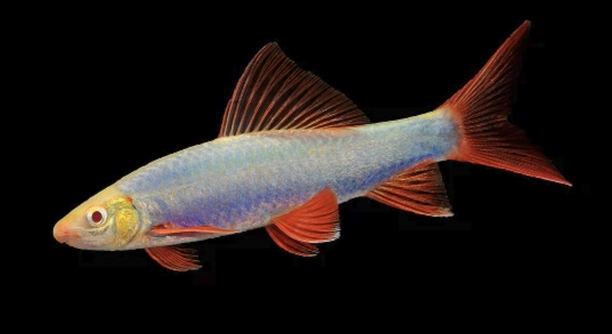
Introducing new fish to a tank with a Rainbow Shark requires careful planning. Rainbow Sharks are known for their territorial nature, which can create challenges when adding new tank mates. Proper steps can help ease the transition for all fish involved.
Successfully introducing new fish alongside a Rainbow Shark depends on providing ample space, monitoring behavior closely, and selecting compatible species. Establishing hiding spots and maintaining water quality are essential to minimize aggression and promote a balanced environment.
These tips will guide you through the process and help create a peaceful aquarium community. Understanding the needs of your Rainbow Shark and new fish is key to long-term success.
Preparing the Tank Before Introducing New Fish
Preparing the tank is the first important step when adding new fish to a Rainbow Shark’s environment. The tank should be spacious enough to reduce territorial disputes. Ideally, there should be at least 30 gallons for a Rainbow Shark and new fish. Adding plenty of hiding places with rocks, plants, or decorations helps fish feel secure and decreases stress. It’s also essential to check the water parameters like temperature, pH, and ammonia levels. Clean water helps fish stay healthy and reduces aggressive behavior. Before introducing new fish, perform a partial water change to improve water quality. Make sure the tank is well-cycled and stable. Finally, quarantining new fish in a separate tank for at least two weeks can prevent diseases from spreading to existing fish.
Keeping the tank well-maintained will create a better environment for all your fish.
Introducing new fish without preparation increases the chances of stress and fighting. Proper preparation makes the process smoother and safer.
Choosing Compatible Fish Species
Choosing fish that can coexist peacefully with a Rainbow Shark is crucial. Rainbow Sharks are territorial and can show aggression toward smaller or similarly shaped fish. Generally, peaceful, fast-swimming fish that occupy different tank levels work well. Species like danios, barbs, or larger tetras often make suitable companions. Avoid other bottom dwellers that might compete for the same space. Additionally, avoid fish that are slow or shy, as they may be bullied. When selecting new fish, consider their size, temperament, and preferred tank zones to ensure they do not provoke aggression. Introducing fish that have similar water and temperature requirements helps maintain harmony in the tank. A well-chosen community reduces stress and allows the Rainbow Shark to feel less threatened, supporting a healthier environment for all tank inhabitants.
Introducing New Fish Slowly
Introducing new fish slowly helps reduce stress and aggression in the tank. It gives all fish time to adjust to changes and get used to each other’s presence.
One effective method is using a separate container or breeder box inside the main tank. This allows new fish to be visible but physically separated from the Rainbow Shark. The gradual exposure helps the shark get used to the newcomers without feeling threatened. After a few days, you can allow limited interaction by opening the divider or removing the box for short periods. Observe how your Rainbow Shark reacts and watch for signs of aggression. If the behavior remains calm, gradually increase the interaction time.
This slow introduction process supports a smoother transition for all fish. It minimizes sudden conflicts and helps create a peaceful environment.
Monitoring Behavior After Introduction
Careful observation after introducing new fish is essential to prevent problems. Watch for signs of aggression like chasing, biting, or fin damage. Early detection allows quick intervention.
If you notice aggression, provide additional hiding spaces or temporarily separate the aggressive fish. Pay attention to feeding behavior, as stressed fish may stop eating. Keeping track of water quality is also important since stress can affect health. Record any changes and adjust tank conditions if needed. Being proactive helps maintain a balanced tank where all fish can thrive together.
Maintaining Water Quality
Maintaining good water quality is crucial when adding new fish. Clean water reduces stress and helps prevent illness among all tank inhabitants. Regular testing and water changes are necessary to keep parameters stable.
Ammonia, nitrite, and nitrate levels must be checked frequently. Keeping the water temperature consistent also supports fish health and reduces aggression.
Feeding New and Existing Fish
Feeding both new and existing fish properly helps reduce competition and aggression. Offering a variety of foods ensures all fish get the nutrients they need. Feeding smaller amounts multiple times a day can prevent food fights and stress.
Providing Ample Hiding Spots
Hiding spots reduce territorial disputes and give fish a safe space to retreat. Rocks, plants, and decorations create natural shelters that help lower stress levels in the tank.
Observing Long-Term Compatibility
Long-term observation is necessary to ensure all fish coexist peacefully. Changes in behavior or health might signal underlying issues that need addressing promptly.
FAQ
How aggressive are Rainbow Sharks toward new fish?
Rainbow Sharks can be quite territorial and may show aggression toward new fish, especially if the tank is small or lacks hiding places. Their aggressive behavior is usually a way to protect their space. However, with proper tank setup and careful introductions, aggression can be minimized, allowing new fish to coexist peacefully.
What tank size is best for introducing new fish with a Rainbow Shark?
A tank size of at least 30 gallons is recommended when housing a Rainbow Shark with other fish. Larger tanks provide more territory for all fish, reducing competition and aggression. More space allows Rainbow Sharks to establish their own area while giving new fish enough room to avoid conflict.
Which fish species are compatible with Rainbow Sharks?
Good tank mates include fast-swimming, peaceful fish that occupy different tank levels, such as danios, barbs, and larger tetras. Avoid other bottom dwellers or slow, shy fish, as they may become targets of aggression or compete for space. Choosing species with similar water needs helps maintain balance.
How long should new fish be quarantined before introduction?
Quarantining new fish for at least two weeks helps prevent the spread of disease to your existing fish. During this time, monitor for signs of illness and treat if necessary. Quarantine also allows new fish to adjust to captive life before entering the main tank.
What signs of aggression should I watch for?
Aggression can include chasing, biting, torn fins, or hiding excessively. If these behaviors appear, it’s important to act quickly by adding hiding spots or temporarily separating aggressive fish. Early intervention helps protect weaker fish and maintains tank harmony.
Can feeding help reduce aggression?
Yes. Feeding smaller amounts multiple times a day and providing a varied diet reduces competition for food. Well-fed fish are less likely to act aggressively. Ensuring all fish receive enough nutrition helps keep peace in the tank.
How often should water be tested and changed?
Test water parameters like ammonia, nitrite, nitrate, and pH weekly. Partial water changes of 20-30% every week or two maintain clean water. Stable water quality lowers stress and reduces aggressive behavior among fish.
What is the best way to introduce new fish slowly?
Using a breeder box or separate container inside the tank allows new fish to be visible but physically separated. This method lets your Rainbow Shark get used to the newcomers without feeling threatened. Gradually increase interaction time over several days while monitoring behavior closely.
Are Rainbow Sharks compatible with other bottom dwellers?
Generally, it’s best to avoid keeping Rainbow Sharks with other bottom dwellers, as they compete for the same space. This competition often leads to aggression. If you want to include bottom dwellers, choose very peaceful species and provide plenty of hiding spots to reduce conflicts.
What should I do if aggression persists after introduction?
If aggression continues, try adding more decorations or plants to create additional territories. You can also rearrange tank décor to disrupt established boundaries. In extreme cases, separating the aggressive fish temporarily or permanently may be necessary to protect others.
Can Rainbow Sharks live with smaller or slow-moving fish?
Smaller or slow-moving fish are often at risk of being bullied or stressed by Rainbow Sharks. They may become easy targets, which can lead to injury or illness. It’s better to choose tank mates that are quick and occupy different levels in the tank.
How important are hiding spots in reducing aggression?
Hiding spots are very important. They provide fish with places to retreat and feel safe. This reduces stress and lowers the chance of fights. Using rocks, plants, and decorations helps create natural shelters that support a peaceful environment.
What water conditions do Rainbow Sharks and their tank mates need?
Rainbow Sharks thrive in water temperatures between 72°F and 79°F, with a pH around 6.5 to 7.5. Keeping water parameters stable is essential for their health and that of their tank mates. Matching water requirements for all fish reduces stress and promotes compatibility.
How can I tell if new fish are adjusting well?
New fish adjusting well will swim actively, eat normally, and explore the tank without hiding excessively. Lack of signs like fin damage or stress behaviors indicates they are adapting to their new environment. Consistent observation helps ensure their wellbeing.
Is it necessary to rearrange the tank when adding new fish?
Rearranging the tank can help break up established territories and reduce aggression. Changing decorations or plant placement disrupts territorial boundaries, making fish less likely to fight. This simple step can make introductions smoother.
How do I maintain long-term harmony in a tank with Rainbow Sharks?
Maintaining long-term harmony requires ongoing observation, proper feeding, clean water, and providing enough space and hiding spots. Address behavioral changes promptly and avoid overcrowding. Consistency in tank care supports peaceful coexistence for all fish.
Introducing new fish to a tank with a Rainbow Shark can be a careful process that requires attention and patience. Rainbow Sharks have strong territorial instincts, so simply adding new fish without preparation can lead to stress and aggression. Taking the time to prepare the tank, choosing compatible species, and slowly introducing new fish will help create a balanced and peaceful environment. This approach benefits both the Rainbow Shark and the new fish by reducing tension and allowing all inhabitants to adjust naturally.
Maintaining a clean tank with proper water conditions is also critical in keeping fish healthy and minimizing aggressive behaviors. Regular water testing and changes ensure that the environment remains stable, which is essential for fish wellbeing. Providing ample hiding spots and feeding fish properly supports harmony by giving fish places to retreat and reducing competition during mealtime. Monitoring fish behavior after introducing new tank mates allows you to detect any early signs of problems. This way, you can take quick action to protect the fish and preserve tank peace.
Overall, successfully introducing new fish with a Rainbow Shark takes thoughtful planning and ongoing care. Patience during the introduction process, attention to tank conditions, and careful species selection all contribute to a healthy and harmonious aquarium. With the right steps, it is possible to build a community tank where your Rainbow Shark and new fish can live together comfortably over the long term. These efforts not only help reduce aggression but also promote the wellbeing of every fish in your care.

Hello,
If you enjoy the content that we create, please consider saying a "Thank You!" by leaving a tip.
Every little bit helps us continue crafting quality advice that supports the health, happiness, and well-being of pets around the world, for pets of all shapes, sizes, and species.
We really appreciate the kindness and support that you show us!