
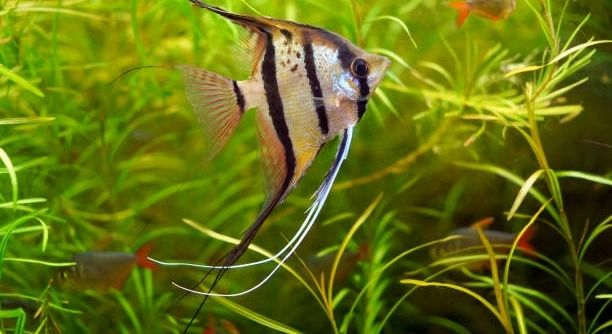
Breeding angelfish at home can be a rewarding experience for fish enthusiasts. It requires careful planning, attention, and understanding of their needs. By following a few simple tips, success is within reach for any breeder.
To successfully breed angelfish at home, create a suitable environment with clean water, proper temperature, and a spacious tank. Provide balanced nutrition, ensure optimal breeding conditions, and maintain water quality to encourage healthy egg development and fish care throughout the process.
These key tips will help you create the ideal conditions for your angelfish to thrive and breed. The journey from setting up the tank to raising healthy fry will be outlined step by step.
Setting Up the Right Environment
Creating the perfect environment for angelfish breeding is essential. The tank should be spacious, as angelfish grow quite large. A 30-gallon tank is a good starting point. Ensure the water temperature is between 78-84°F, with a slightly acidic to neutral pH level of 6.8-7.8. Water quality is crucial, so make sure to filter the water regularly, removing excess waste.
A proper substrate like fine gravel or sand provides a suitable surface for egg laying. Adding live plants, such as Amazon sword plants, helps to provide hiding spots for the fish and makes the environment more natural. You’ll want to ensure the water is soft, as hard water can inhibit successful breeding. Regular water changes are important to maintain the tank’s overall health.
The tank should also have some driftwood or decorations that angelfish can use to mark their territory. This reduces aggression between breeding pairs.
Choosing Healthy Breeding Pairs
The best breeding pairs come from healthy, mature angelfish. Look for fish that are around 9 to 12 months old. Healthy fish will have vibrant colors and no visible signs of disease.
Selecting the right male and female is essential for successful breeding. The female’s belly should appear slightly rounder when she is ready to lay eggs, while the male’s fins will typically be longer and more colorful. Pairing the right fish together ensures the eggs are fertilized properly.
Providing Proper Nutrition
To encourage breeding, feed your angelfish a varied diet. A mix of high-quality flakes, pellets, and live or frozen foods like brine shrimp, bloodworms, and daphnia is ideal. These foods offer the right balance of nutrients needed for reproduction. Fish that are properly nourished are more likely to breed successfully.
Provide food at regular intervals, but be cautious not to overfeed, as excess food can pollute the water. A balanced diet helps angelfish develop strong, healthy eggs. It’s also important to remove uneaten food promptly to maintain water quality. Healthy fish will have more energy, which in turn improves their breeding chances.
Make sure to feed the breeding pair separately from any other fish in the tank, as they may become territorial during breeding. A focused diet helps the female produce quality eggs, which are crucial for a successful breeding cycle.
Monitoring Water Quality
Water quality is vital during the breeding process. Angelfish are sensitive to poor water conditions, which can lead to stress and hinder successful breeding. Regular water testing is a must to keep track of pH, ammonia, nitrate, and nitrite levels.
Perform frequent water changes to ensure optimal conditions. A good practice is to change about 25% of the water every week to keep it clean. Keeping the tank well-filtered is essential for maintaining water quality, but you should also avoid over-filtering, as angelfish prefer slower-moving water.
Ensure that your filtration system doesn’t create strong currents, as this can stress out your fish. To help with this, position the filter in a way that reduces the flow near the breeding area. Angelfish need stable and clean water for their eggs to develop successfully.
Encouraging Spawning
For angelfish to spawn, they need a surface where they can lay their eggs. Vertical surfaces, like smooth rocks or aquarium glass, are ideal for egg laying. Make sure to provide these surfaces before attempting to breed.
Once you’ve set up the breeding surface, keep the water conditions stable and avoid disturbing the pair. Female angelfish will usually lay eggs in a cluster, and the male will fertilize them shortly after. This process can happen within a few hours once the eggs are laid. During this time, both the male and female guard the eggs from any potential threats, including other fish.
Spawning is a delicate process, and any disturbances can cause the pair to abandon the eggs. The pair will stay near the eggs, fanning them with their fins to keep them oxygenated. This behavior ensures the eggs have the best chance of hatching.
Removing Unwanted Tank Mates
As soon as you notice your angelfish are about to breed, remove any non-breeding fish from the tank. Angelfish can become territorial and aggressive during this time, and other fish may disrupt the process or eat the eggs.
Make sure to relocate any fish that could disturb the breeding pair. You can either move them to a separate tank or temporarily place them in a breeding box within the same tank. Removing distractions and potential threats ensures that the pair can focus on breeding without interference.
Dealing with Angelfish Eggs
Once the eggs are laid, it’s essential to monitor them closely. Angelfish parents will fan the eggs to keep them oxygenated and remove any unfertilized or damaged eggs.
While the parents will protect their eggs, it’s still important to check the eggs regularly for signs of fungus or other issues. In some cases, it might be necessary to remove the eggs and place them in a separate tank to ensure they hatch successfully. If you do this, be sure to maintain proper water conditions and temperature.
Raising the Fry
After the eggs hatch, the fry will remain attached to the surface for several days, absorbing their yolk sacs. During this time, it’s crucial to provide a calm, undisturbed environment for the fry to develop properly.
As the fry become free-swimming, they will begin searching for food. Start feeding them small, nutrient-rich foods like infusoria, liquid fry food, or freshly hatched brine shrimp. Gradually introduce finely crushed flakes as they grow larger. Be patient, as the fry will take time to develop into healthy juvenile angelfish.
FAQ
What temperature should the water be for breeding angelfish?
The ideal water temperature for breeding angelfish is between 78°F and 84°F. This range ensures that the fish are comfortable and encourages their natural breeding behavior. Maintaining a stable temperature is essential, as fluctuations can cause stress and reduce the chances of successful breeding.
What is the best pH level for breeding angelfish?
Angelfish prefer slightly acidic to neutral water, with a pH level ranging from 6.8 to 7.8. Keeping the pH within this range creates the best conditions for egg fertilization and the overall health of the fish. It’s important to regularly test the water to ensure the pH stays consistent.
Do angelfish need a specific breeding surface?
Yes, angelfish need a flat, vertical surface to lay their eggs. Smooth rocks, aquarium glass, or plants with broad leaves can serve as the perfect spot. The surface helps the eggs adhere properly and allows the fish to fan them to keep them oxygenated.
How can I tell if my angelfish are ready to breed?
Mature female angelfish typically become rounder in the belly area when they are ready to lay eggs. Male angelfish often display more colorful fins and are slightly larger than females. You’ll notice the pair becoming more active and engaging in courtship behavior when they are ready.
How long does it take for angelfish eggs to hatch?
Angelfish eggs usually hatch in about 2 to 3 days, depending on water temperature and quality. The warmer the water, the faster the eggs will develop. After hatching, the fry will stay attached to the surface for a few days before becoming free-swimming.
Should I separate the breeding pair from other fish?
Yes, it’s best to separate the breeding pair from other fish in the tank. Other fish may disturb the pair, eat the eggs, or cause unnecessary stress. If you cannot move the other fish, consider placing the breeding pair in a separate breeding box or a smaller tank for optimal results.
What should I feed my angelfish while they’re breeding?
During the breeding period, it’s important to feed the breeding pair a nutritious and varied diet. Offer high-quality flake food, live or frozen foods like brine shrimp, bloodworms, and daphnia. A balanced diet ensures that the fish are healthy and provides the necessary nutrients for egg production.
Can I remove the eggs to hatch them in a separate tank?
Yes, if you feel that the eggs are in danger or if the parents are not tending to them properly, you can remove the eggs and place them in a separate tank. Make sure to maintain optimal water conditions and keep the temperature steady to promote hatching.
How do I care for angelfish fry once they hatch?
Once the fry hatch, they will remain attached to the surface for a few days. During this time, continue to monitor the tank and make sure they are undisturbed. Once they become free-swimming, feed them small foods like infusoria or liquid fry food until they are large enough to eat crushed flakes.
What do I do if my angelfish are not breeding?
If your angelfish are not breeding, check their environment first. Ensure that the water temperature, pH, and overall water quality are ideal. Angelfish also need a good breeding surface and proper nutrition. If conditions are perfect, but breeding still doesn’t happen, consider trying a different pair, as some fish may simply not be compatible.
Can angelfish breed with other types of fish?
No, angelfish cannot breed with other species of fish. They will only mate with another angelfish. Breeding between different species of fish typically doesn’t occur due to differences in behavior and genetics. Always use two healthy angelfish for breeding.
How can I prevent egg fungus on angelfish eggs?
Egg fungus is common but preventable. To minimize the risk, keep the tank clean and ensure that the water quality is optimal. If fungus starts to develop on the eggs, remove the affected eggs immediately to prevent it from spreading. Some breeders use anti-fungal treatments as a preventive measure.
Why are my angelfish eggs turning white?
White eggs usually indicate that they are not fertilized. Angelfish fertilize the eggs shortly after they are laid, and if the eggs are left unfertilized, they will turn white and may become susceptible to fungus. In some cases, removing the eggs and ensuring better care can help improve fertilization rates.
Do angelfish eat their eggs?
It’s common for angelfish to eat their eggs if they feel stressed, threatened, or if the eggs are not fertilized properly. Parents may also eat eggs that are damaged or infected with fungus. If this happens frequently, consider isolating the breeding pair from other fish to reduce distractions.
Can I breed angelfish in a community tank?
Breeding angelfish in a community tank can be challenging. Other fish may disturb the breeding pair or eat the eggs. If you want to breed angelfish successfully, it’s better to set up a dedicated breeding tank where the pair can focus on reproducing without interference.
Final Thoughts
Breeding angelfish at home can be a rewarding experience if you take the time to prepare properly. Providing the right environment is key to success. This includes maintaining a stable water temperature, proper pH levels, and a clean tank. Ensuring that your angelfish have a flat surface to lay their eggs on and removing any unwanted tank mates will reduce stress and increase the likelihood of successful breeding. By paying attention to the small details, you can help your angelfish thrive and reproduce in a way that benefits both the fish and their environment.
It’s important to remember that breeding angelfish can require patience. The process may not be perfect, and it might take several attempts before everything goes smoothly. Factors such as water quality, diet, and the compatibility of the breeding pair can affect the outcome. Understanding these variables will help you address challenges as they arise. If the pair does not breed successfully at first, don’t be discouraged. With careful attention and some trial and error, you can improve your chances of success.
Ultimately, the care and dedication you provide to your angelfish will make a big difference. Once the fry are hatched, they will need the right environment and food to grow strong and healthy. Raising angelfish from eggs to juvenile fish can be an enriching experience. It is also a learning process that can teach you about fish care, breeding behaviors, and aquarium maintenance. By keeping the tank conditions stable and remaining patient, you will be able to enjoy watching your angelfish grow and thrive.

Hello,
If you enjoy the content that we create, please consider saying a "Thank You!" by leaving a tip.
Every little bit helps us continue crafting quality advice that supports the health, happiness, and well-being of pets around the world, for pets of all shapes, sizes, and species.
We really appreciate the kindness and support that you show us!