
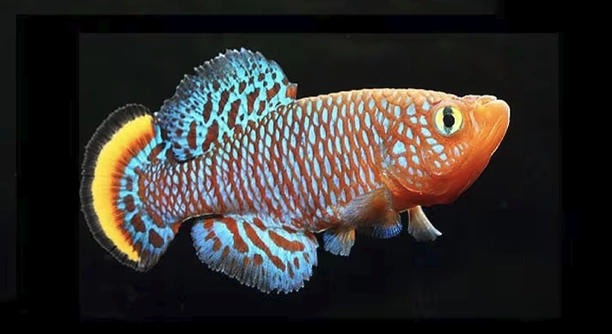
Starting a killifish tank can be both exciting and a bit challenging for first-time hobbyists. These vibrant fish need specific conditions to thrive, which differ from many other freshwater species. Proper preparation is key to creating a suitable environment for them.
The essential steps for beginning your first killifish tank include selecting appropriate water parameters, ensuring a secure and well-planted habitat, maintaining stable temperatures, and understanding their feeding and breeding needs. Following these guidelines helps establish a healthy and balanced ecosystem for your killifish.
Learning the basics will help you avoid common mistakes and promote the well-being of your new aquatic pets. This article will guide you through practical tips to set up your killifish tank successfully.
Choosing the Right Tank and Setup
Starting with the right tank size and setup is important when keeping killifish. A 10-gallon tank or larger works well, giving the fish enough space to swim comfortably. Using a tank with a secure lid is necessary because killifish are known jumpers. Adding live plants and hiding spots will help them feel safe and reduce stress. Substrate should be soft or fine gravel, as killifish prefer gentle environments. Proper filtration is needed but keep the water flow low since killifish prefer calmer waters. Setting up the tank before adding fish allows time for the water to cycle and reach a stable condition, which reduces stress and illness risk. Patience at this stage makes a big difference in the long run.
Keeping the water flow gentle ensures your killifish remain comfortable and healthy.
Setting up the right environment early on helps killifish adjust smoothly to their new home. It also reduces stress-related problems and encourages natural behavior. Taking time to introduce plants and decorations mimics their natural habitat, making them feel more secure. Careful attention to these details sets a strong foundation for a successful tank.
Maintaining Proper Water Conditions
Killifish thrive in specific water conditions that mimic their natural environment. The ideal temperature is between 68 and 75 degrees Fahrenheit. pH should be kept slightly acidic to neutral, usually between 6.0 and 7.0. Water hardness needs to be soft to moderately hard. Regular water changes are essential to keep the environment clean and reduce harmful toxins. Testing the water weekly helps catch any imbalances early. Avoid sudden changes in temperature or water chemistry, as killifish are sensitive to rapid shifts. Keeping these conditions steady supports their health, colors, and breeding behaviors.
Water quality directly affects killifish health and longevity.
Keeping water parameters stable requires regular monitoring and adjustments. Using a reliable test kit allows you to measure pH, hardness, and ammonia levels. When changing water, always match the temperature and chemistry to avoid shocking the fish. Conditioning the tap water is important to remove chlorine and chloramine. A gentle filter and moderate lighting help maintain a balanced tank environment. Being consistent with care will keep your killifish active and vibrant.
Feeding Your Killifish
Killifish require a varied diet to stay healthy. They eat live or frozen foods such as bloodworms, brine shrimp, and daphnia. High-quality flake or pellet food can be offered occasionally but should not be the main diet.
Providing live or frozen foods mimics their natural feeding habits and encourages better health. Killifish are often picky eaters, so offering a mix of foods helps meet their nutritional needs. Feeding small amounts two to three times a day prevents overfeeding and keeps the water clean. Removing uneaten food is important to avoid water quality issues.
Some killifish species are more specialized feeders, so researching your specific type helps tailor the diet. Offering occasional treats like mosquito larvae can stimulate natural hunting behaviors. A balanced diet supports vibrant colors and active swimming. Observing how your killifish respond to different foods will guide you in maintaining a healthy feeding routine.
Breeding Killifish Successfully
Breeding killifish requires stable water conditions and a calm environment. Most species lay eggs among plants or spawning mops. Eggs should be carefully collected and incubated separately in soft, clean water. Some killifish species are annual, needing special care for egg drying and storage.
Providing dense planting and hiding places encourages natural spawning behaviors. Avoid disturbing the tank during breeding to reduce stress on the fish. Removing adults from the breeding tank after spawning protects the eggs from being eaten. Patience is necessary, as incubation times vary by species and temperature.
Raising fry requires feeding small live foods like infusoria or newly hatched brine shrimp. Keeping the water very clean supports healthy growth. Frequent water changes are essential, but gentle handling prevents injury. Watching fry develop is rewarding but demands attention to detail. Following species-specific guidelines improves breeding success.
Tank Maintenance
Regular maintenance keeps your killifish tank healthy. Weekly water changes of 20 to 30 percent remove waste and toxins. Cleaning the substrate and removing debris prevents harmful buildup.
Checking equipment like filters and heaters ensures everything runs smoothly. Maintaining stable water parameters avoids stress for the fish.
Selecting Compatible Tank Mates
Killifish prefer peaceful tank mates that won’t outcompete or harm them. Small, non-aggressive fish such as certain tetras or rasboras usually work well. Avoid larger or aggressive species that may bully or eat killifish.
Choosing compatible companions supports a calm, balanced tank environment and reduces stress.
Understanding Killifish Behavior
Killifish are generally peaceful but can show territorial behavior during breeding. They enjoy exploring plants and hiding spots. Observing their natural habits helps provide better care and a comfortable environment.
Recognizing their behavior allows for adjustments that improve their well-being.
FAQ
How often should I feed my killifish?
Feeding your killifish two to three times a day in small amounts is best. Overfeeding can pollute the tank and harm water quality. Offering live or frozen foods daily with occasional pellets or flakes keeps their diet balanced and nutritious.
What is the ideal tank size for killifish?
A 10-gallon tank is a good starting point for most killifish species. Some larger or more active species may require bigger tanks. The key is providing enough space for swimming and hiding without overcrowding.
Can killifish live with other fish?
Yes, but choose peaceful, small species that won’t outcompete or attack them. Avoid aggressive or large fish, as killifish can be shy and stressed by bullying. Suitable companions include small tetras or rasboras.
How do I prevent killifish from jumping out of the tank?
Killifish are known jumpers. Using a tight-fitting lid or cover is necessary. Avoid strong water currents that can encourage jumping, and keep the water level below the tank’s rim to reduce risk.
How long do killifish usually live?
Killifish lifespan varies by species but typically ranges from 1 to 3 years. Annual species have shorter lifespans, often related to their breeding cycles, while non-annual species may live longer with proper care.
What water parameters do killifish need?
Killifish prefer slightly acidic to neutral pH (6.0 to 7.0), soft to moderately hard water, and temperatures between 68 and 75°F (20–24°C). Stability is important; sudden changes can stress them and cause illness.
How do I breed killifish successfully?
Provide dense plants or spawning mops for egg laying. Remove adults after spawning to protect eggs. Some species require eggs to be dried and stored before incubation. Keep water clean and stable during fry development.
What do killifish eat?
Killifish mainly eat live or frozen foods such as bloodworms, brine shrimp, and daphnia. Small amounts of high-quality flakes or pellets can supplement their diet but should not replace live foods.
Why is my killifish hiding all the time?
Hiding can mean stress from poor water quality, aggressive tank mates, or lack of adequate cover. Ensure the tank has plants and decorations for hiding and maintain good water conditions.
Can I keep killifish in a community tank?
Killifish can live in community tanks with the right species and tank conditions. Choose peaceful fish and provide plenty of hiding spots to reduce competition and stress.
How often should I change the water?
Weekly water changes of 20 to 30 percent keep the tank clean and the water quality high. More frequent changes may be needed if the tank is heavily stocked or if water tests show poor conditions.
What signs show my killifish is healthy?
Bright colors, active swimming, regular feeding, and clear eyes indicate good health. Sudden changes in behavior, faded colors, or spots may signal illness requiring prompt attention.
Can killifish tolerate cooler temperatures?
Most killifish prefer stable temperatures around 68–75°F. Some species can tolerate slightly cooler water but avoid drops below 65°F to prevent stress and health problems.
Is it necessary to use live plants in a killifish tank?
Live plants help mimic the natural habitat and provide hiding places, improving fish comfort and breeding success. They also help maintain water quality by absorbing nitrates.
What is the best way to clean the tank?
Perform partial water changes weekly and gently vacuum the substrate to remove debris. Avoid harsh cleaning that disrupts beneficial bacteria. Clean filters according to manufacturer instructions to maintain efficiency.
Why do killifish sometimes show aggression?
Aggression is often linked to breeding or territorial behavior. Males may chase each other or defend specific areas. Providing enough space and hiding spots can reduce conflicts.
How do I handle killifish when moving them?
Use a soft net and minimize stress by keeping the transfer quick. Avoid sudden changes in water temperature or chemistry during moves. Acclimate them slowly to new tank conditions.
Can killifish live in brackish water?
Most killifish are freshwater species, but a few tolerate slight brackish conditions. Research your species’ requirements carefully before adding salt to the tank.
What is the difference between annual and non-annual killifish?
Annual killifish live in temporary pools and lay drought-resistant eggs, which require drying and special care. Non-annual killifish live in permanent waters and have different breeding habits.
How do I improve killifish coloration?
A varied diet rich in live foods and good water quality enhance coloration. Stress reduction and proper lighting also help maintain vibrant colors.
This FAQ covers common concerns for first-time killifish keepers and helps ensure proper care. Following these guidelines will support the health and happiness of your fish.
Starting a killifish tank can be a rewarding experience when done with care and attention. These fish require specific water conditions and a calm environment to thrive, so understanding their needs is essential. Setting up the right tank, maintaining stable water parameters, and offering a balanced diet are key steps to creating a healthy space for your killifish. Taking the time to prepare everything properly will help your fish settle in and stay healthy.
Regular tank maintenance plays an important role in keeping killifish comfortable. Changing the water weekly and cleaning the substrate prevents waste buildup and keeps the water clean. Checking the filter and heater ensures the equipment works well and supports stable water conditions. Providing hiding places with plants and decorations helps reduce stress for the fish. A well-maintained tank allows your killifish to display their natural colors and behaviors.
Breeding killifish can require extra care, but it is achievable with patience and knowledge. Providing appropriate places for egg laying and protecting the eggs from adults improves success. Raising the fry needs attention to water quality and feeding small live foods. Observing their behavior and adjusting care routines helps promote their growth. Overall, paying attention to these details ensures your killifish remain healthy and active. With consistent care, your killifish tank can become a beautiful and enjoyable addition to your home.

Hello,
If you enjoy the content that we create, please consider saying a "Thank You!" by leaving a tip.
Every little bit helps us continue crafting quality advice that supports the health, happiness, and well-being of pets around the world, for pets of all shapes, sizes, and species.
We really appreciate the kindness and support that you show us!