
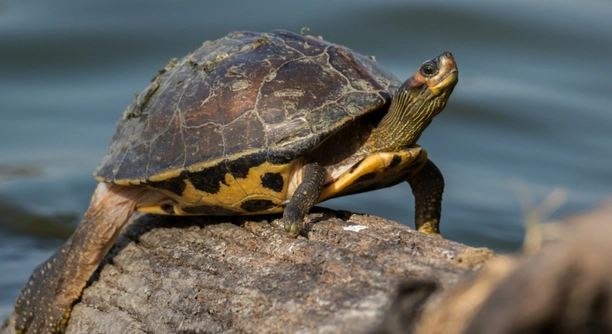
Setting up an outdoor enclosure for your Indian Roofed Tortoises can be a rewarding experience. Creating the right environment for them is crucial to their health and well-being. There are several factors to consider, from the space size to the safety measures needed.
To set up an outdoor enclosure, ensure it provides ample space, proper temperature regulation, and adequate shelter from the elements. A secure fence or wall should also be in place to prevent escapes or predator threats.
With a little planning and effort, you can create a safe and enriching environment for your tortoises. Let’s explore some key tips that will help you achieve just that.
Choosing the Right Size for the Enclosure
When setting up an outdoor enclosure for your Indian Roofed Tortoises, one of the first things to consider is the size. These tortoises need plenty of space to roam and explore. A small, cramped area will make them feel confined, which could lead to stress and health issues. A minimum of 100 square feet is recommended for one tortoise, but more space is always better. The larger the space, the more opportunities they have to engage in natural behaviors like foraging and digging.
A larger enclosure also reduces the risk of overcrowding, which can cause territorial disputes. While the size depends on the number of tortoises you have, giving each one enough room to roam freely is key to maintaining their happiness. Don’t forget to also take into account the height of the enclosure; these tortoises are capable climbers, so make sure the walls are high enough to prevent escape.
With ample space, your tortoises can live a healthier life, allowing them to stretch their legs and enjoy a more natural habitat. It’s important to consider their needs and provide enough area to support their activity levels. This simple step can make all the difference in the quality of their lives.
Creating Proper Shelter and Shade
Shelter and shade are vital for the well-being of Indian Roofed Tortoises. They need a place to retreat from the sun when it gets too hot.
A shaded area should be provided where they can cool down and relax. Natural shade from trees or a structure you build can keep them comfortable. Having shelter available is also important to protect them from rain or colder weather, which can cause stress or illness. A well-designed shelter ensures they can thrive in varying weather conditions.
Consider using materials like wood or plastic to build a small roofed area within the enclosure. Make sure the shelter is large enough to accommodate your tortoises comfortably. You can also add bedding like hay or leaves to make the shelter more inviting. Just be sure to keep the area dry and well-ventilated to prevent dampness, which could lead to health problems.
Securing the Enclosure
To keep your tortoises safe, you must secure the enclosure properly. A strong fence or wall should be used to prevent escapes. The material should be sturdy enough to withstand their digging and climbing.
Opt for materials like welded wire mesh or wood that can provide both safety and durability. Ensure the fence is buried at least 6 inches into the ground to prevent your tortoises from digging underneath. The height should be about 2 feet to prevent them from climbing over. Checking the enclosure regularly for weak spots or gaps will help keep them safe from predators or potential escape routes.
Additionally, make sure the entrance gate is securely latched, as tortoises can sometimes push through openings. If your tortoises are especially active, consider reinforcing the fence with extra layers of protection. The goal is to create a secure environment that minimizes the risk of escapes while still giving them the space they need to explore.
Adding a Water Source
A clean and accessible water source is essential for Indian Roofed Tortoises. They need water for drinking and occasional soaking.
Consider adding a shallow water dish or a small pond to the enclosure. It’s crucial that the water is shallow enough for them to safely access. If you choose a pond, make sure it has sloped edges to prevent drowning. The water should be refreshed regularly to ensure it remains clean and safe. A water source is not just about hydration, but also about offering them a place to cool down on hot days.
If you’re in a particularly hot climate, a small water feature can also help with humidity levels in the enclosure. However, be cautious of standing water that might attract mosquitoes. Keeping the water clean and monitoring it for temperature fluctuations can prevent health issues. Always ensure the water source is easily reachable and kept at a comfortable temperature for your tortoises.
Providing Proper Lighting
Your Indian Roofed Tortoises need proper lighting to maintain their health. Natural sunlight is best for them, but in areas with limited sun exposure, artificial lighting can help.
Ensure they get at least 10-12 hours of light each day. UVB lighting is essential for their calcium metabolism, helping prevent metabolic bone disease. Without sufficient UVB exposure, they may suffer from weakened bones. Additionally, UVB lamps should be replaced every 6 months, as their effectiveness diminishes over time.
If natural sunlight is not possible, using a combination of UVA and UVB bulbs will simulate the sun’s rays. Place the light source above their basking area, ensuring they can soak in the heat and UV rays without overheating. The right lighting setup is vital for keeping them active and healthy.
Creating a Suitable Substrate
The substrate in your tortoise’s enclosure plays a key role in their comfort and health. Use materials that allow for natural behaviors like digging and burrowing.
Cypress mulch, coconut coir, and sand are popular options. Avoid using materials like cedar or pine, as they can be harmful to tortoises. Keep the substrate at a depth where your tortoises can dig, as they enjoy creating small burrows.
Make sure the substrate stays dry, as damp conditions can lead to fungal infections. Spot-clean the area regularly and replace the bedding when it becomes soiled. A suitable substrate provides a more natural environment, encouraging your tortoises to engage in instinctual behaviors.
Temperature Control
Maintaining the right temperature in the enclosure is essential for your tortoises’ health.
They require a warm basking area with temperatures between 90-95°F during the day, with a cooler area around 75-80°F. A heat source like a basking lamp or a ceramic heater can help maintain these temperatures. Make sure there is a temperature gradient so your tortoises can move between warmer and cooler zones. At night, temperatures should drop to around 70°F to simulate natural conditions.
Monitor the temperature with thermometers placed in various parts of the enclosure. Overheating or being too cold can cause stress or health issues, so keep a close eye on temperature fluctuations.
FAQ
What kind of food should I provide for my Indian Roofed Tortoise?
Indian Roofed Tortoises are herbivores, so their diet should consist primarily of fresh vegetables, grasses, and weeds. Offer a variety of leafy greens like collard greens, dandelion greens, and turnip greens. You can also include other safe vegetables like squash and bell peppers. It’s important to avoid feeding them high-oxalate foods like spinach or rhubarb, which can cause kidney problems.
In addition to vegetables, they also enjoy edible flowers such as hibiscus, marigold, and clover. Occasionally, you can provide them with some fruit, but it should be in moderation due to its high sugar content. Ensure all food is free from pesticides and wash it thoroughly before serving.
How often should I feed my Indian Roofed Tortoise?
Feed your tortoise once a day, offering a fresh variety of food. Baby and juvenile tortoises might need more frequent meals, while adults can be fed daily. It’s important to provide a balanced diet with plenty of fiber to ensure proper digestion.
Remove any uneaten food from the enclosure after a few hours to prevent it from spoiling and attracting pests. Offering food at the same time each day can help create a routine for your tortoise, encouraging them to eat regularly. A well-rounded diet promotes healthy growth and longevity.
Can I keep more than one Indian Roofed Tortoise in the same enclosure?
Indian Roofed Tortoises can be kept in pairs or small groups, but only if the enclosure is large enough. You should have at least 100 square feet of space for each tortoise to avoid overcrowding. Male tortoises may become territorial, so it’s often better to keep a male and female together or multiple females.
Ensure that there are enough hiding spots and basking areas for each tortoise to have their own space. This helps reduce stress and possible fighting over territory. Monitor them closely for signs of aggression, such as biting or chasing, and be ready to separate them if necessary.
How do I prevent my tortoise from escaping the enclosure?
To prevent escapes, make sure the walls of the enclosure are high enough, typically around 2 feet. Tortoises are known to be skilled climbers, so you may need to use a higher fence or add a top to the enclosure for extra security.
Digging is another common way tortoises escape, so bury the base of the fence at least 6 inches deep to prevent them from digging out. Make sure there are no gaps between the fence and the ground. Regularly check for weak spots or areas where they might try to escape, such as loose wires or weakened materials.
Should I provide my tortoise with a place to soak in water?
Yes, it’s essential to provide your tortoise with a shallow water source. Tortoises need to hydrate, and soaking also helps with shedding their scutes (the layers of their shell). A shallow water dish or small pond in the enclosure is ideal, but ensure it’s shallow enough for them to get in and out easily.
Change the water regularly to keep it clean, as stagnant water can cause health problems. If you live in a particularly hot climate, consider providing a larger water source where your tortoises can cool down during the day. Be mindful of mosquitoes and other pests, which can breed in standing water.
How do I maintain the proper humidity levels in the enclosure?
Indian Roofed Tortoises thrive in a moderate level of humidity, ideally between 50-60%. To maintain this, you can use a misting system or a water feature in the enclosure. A shallow water dish can help raise humidity levels, but avoid overly damp conditions that can lead to respiratory issues.
Regularly monitor the humidity with a hygrometer to ensure it stays within the proper range. If the humidity is too low, mist the enclosure lightly each day or place a humidifier nearby. On the other hand, if the enclosure becomes too humid, ensure proper ventilation to prevent mold and fungal growth.
How can I tell if my tortoise is healthy?
A healthy tortoise will be active, alert, and show interest in food. Check for clear eyes, smooth, undamaged shells, and healthy skin. Regularly inspect the shell for signs of scarring or soft spots, which could indicate malnutrition or shell rot.
Tortoises should also have a healthy appetite and drink regularly. If your tortoise is lethargic, refuses food, or shows signs of discharge from the nose or eyes, it may be ill and should be examined by a vet. Also, monitor their bowel movements for any signs of illness, such as diarrhea or abnormal colors.
Do I need to take my tortoise to the vet?
It’s a good idea to schedule regular check-ups with a reptile veterinarian to ensure your tortoise is healthy. If your tortoise shows any signs of illness, such as loss of appetite, lethargy, or respiratory issues, take them to a vet as soon as possible.
Even if your tortoise seems healthy, a vet can help you with proper diet advice, shell care, and parasite control. Regular check-ups can help you catch any potential health issues early and keep your tortoise in the best condition possible.
Can I bring my tortoise indoors during the winter?
Indian Roofed Tortoises can tolerate mild to moderate temperatures, but they should not be kept outside during freezing weather. If you live in a colder climate, it’s best to bring your tortoise indoors when temperatures drop below 50°F.
Make sure they have a warm, safe space with plenty of room to move around. During the winter months, you can create an indoor habitat with a basking light, proper substrate, and a water dish. Monitor the temperature and humidity levels closely to ensure they stay within the proper range.
Final Thoughts
Setting up the right outdoor enclosure for your Indian Roofed Tortoise is crucial for its health and happiness. By providing enough space, proper shelter, and safe surroundings, you can create a suitable environment where your tortoise can thrive. A well-planned enclosure allows your tortoise to express its natural behaviors, like foraging and basking, which are essential for its well-being. Every detail, from the size of the enclosure to the type of substrate used, contributes to the overall comfort of your tortoise.
It’s important to remember that tortoises are not simply pets that can be kept in a small cage. They require an environment that simulates their natural habitat as much as possible. This includes having access to sunlight, the right temperatures, and enough space to move freely. Without these elements, your tortoise could face stress or even health problems, which could shorten its life. That’s why it’s essential to take your time in setting up an outdoor enclosure that meets their specific needs, ensuring a secure and comfortable space for your tortoise to live in.
Lastly, don’t forget that maintaining an enclosure is an ongoing process. You need to regularly check for safety, cleanliness, and temperature control. Keeping a secure fence, ensuring proper lighting, and providing fresh food and water are ongoing tasks that should be part of your regular care routine. Your tortoise’s health depends not only on the initial setup but also on the consistent care you provide. With attention to detail and regular upkeep, you can create a long-lasting, safe home for your Indian Roofed Tortoise.

Hello,
If you enjoy the content that we create, please consider saying a "Thank You!" by leaving a tip.
Every little bit helps us continue crafting quality advice that supports the health, happiness, and well-being of pets around the world, for pets of all shapes, sizes, and species.
We really appreciate the kindness and support that you show us!