
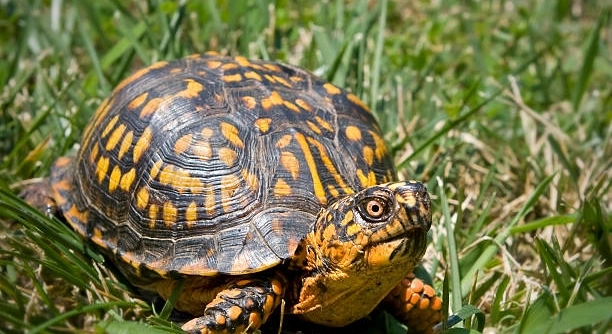
Setting up a proper egg-laying area for box turtles is essential for their well-being. Providing the right environment ensures that they can lay their eggs safely and with minimal stress. Proper care helps ensure a healthy, thriving turtle.
To create an ideal egg-laying area for box turtles, focus on providing a substrate that is deep enough for digging, such as soil or sand. The area should also be kept at a warm temperature and humidity level suitable for egg incubation.
A carefully designed environment will support your turtle’s egg-laying process and ensure their health during this crucial time.
Choosing the Right Substrate for Egg-Laying
The substrate you provide for your box turtles is crucial to their egg-laying success. A soft, loose material like a mix of soil and sand allows your turtle to dig comfortably and securely. The depth should be at least 4 to 6 inches to accommodate egg burying. If the substrate is too hard or compact, it could hinder egg laying, causing stress or injury. Avoid using materials like gravel or rocks, as these can damage the eggs. Also, keep the substrate clean and free of mold, which could impact the turtle’s health.
A well-chosen substrate makes all the difference in providing a stress-free environment. This encourages natural digging and egg laying.
Make sure the area is free from any sharp objects or debris that could cause harm. Monitor the moisture level of the substrate. It should be damp but not soaking wet. If it’s too dry, your turtle may struggle to dig, and if it’s too wet, it could harm the eggs.
Maintaining Proper Temperature and Humidity
Temperature and humidity are vital for successful egg-laying. Box turtles need a warm environment, ideally between 75-85°F. Too much heat can cause stress, while too little can prevent successful egg laying. Humidity also plays a role in creating a comfortable setting for your turtle. Aim for a humidity level around 60-70%, adjusting as necessary depending on the season or local climate conditions.
The temperature and humidity will affect how well your turtle adapts to the egg-laying process. Too little humidity can lead to cracked eggs, while inconsistent temperature levels can disrupt natural behaviors. It’s important to check these levels regularly using a thermometer and hygrometer to ensure the conditions are ideal.
Make sure the turtle has a place to retreat for some cool shade in case the temperature becomes too high. Providing an area with different heat zones is a good way to give your turtle control over its comfort. Having a well-balanced temperature and humidity will make a big difference in encouraging a smooth, safe egg-laying process.
Providing a Safe, Quiet Environment
Turtles need peace and quiet while laying their eggs. Avoid loud noises or heavy activity near their nesting area. A calm, undisturbed space ensures that the turtle feels secure enough to lay her eggs. Distractions or stress can delay egg-laying or cause complications.
Choosing a location away from high traffic areas is essential for creating a peaceful environment. You can place some plants or natural hides around the area to offer additional privacy. Keeping the area dark and quiet, especially during the night, allows the turtle to feel more comfortable.
An undisturbed environment reduces stress and improves the chances of successful egg-laying. Limit interactions with your turtle when she is in the nesting area to allow her to focus on the task. A secluded spot will encourage her to lay eggs in a natural and comfortable manner.
Regularly Checking for Eggs
After setting up the egg-laying area, it’s crucial to check regularly for eggs. Box turtles may not always lay eggs immediately after preparing the nest. Checking the area frequently can help you spot any eggs before they become too buried.
If you don’t spot any eggs after a few weeks, keep checking. Sometimes, eggs can be partially covered or hidden. If you find eggs, remove them carefully and consider incubating them in a controlled environment. Box turtle eggs can take time to hatch, so monitoring them closely is key to their success.
Handling eggs gently is important to avoid damaging them. Mark the eggs with a pencil to identify the top side, as turning them could harm the developing embryo. Keep them in a separate, warm, and humid environment for proper incubation.
Incubating the Eggs
Once the eggs are laid, proper incubation is essential. Box turtle eggs require a warm, consistent temperature between 80-85°F. Too high or too low can cause them to fail. Ensure the environment is also slightly humid to prevent the eggs from drying out.
Using an incubator is the most reliable method for maintaining steady temperature and humidity. Alternatively, you can incubate the eggs in a container with moist sphagnum moss or a similar substrate. Keep the container in a quiet, dark area to mimic natural conditions.
Regularly check the temperature and humidity levels to avoid fluctuations that could harm the eggs. Proper incubation conditions increase the chances of successful hatching.
Checking for Fertility
Not all eggs will be fertile, so it’s important to check them. A simple method is candling the eggs, where you gently shine a flashlight through the egg. If there’s a dark spot inside, the egg is likely fertile.
Candling helps you identify any non-fertile or undeveloped eggs early on. Remove them from the incubator to avoid any risk of contamination. This way, you’ll be able to focus on the viable eggs and ensure they are incubated properly.
If you’re unsure, waiting a bit longer for any changes in the egg may help. Non-fertile eggs typically don’t change over time, while fertile ones will show clear development.
Preparing for Hatchlings
Once the eggs are close to hatching, the hatchlings will need an environment suited for their transition. Prepare a small enclosure with soft bedding and access to shallow water. A warm, humid environment is ideal for them.
Make sure the area has enough space for the hatchlings to move around, as they will need to exercise and develop strength. Keeping the temperature consistent is vital for their health. You can use a heat lamp to maintain warmth without overheating the area.
FAQ
How deep should the substrate be for egg-laying?
The substrate should be about 4 to 6 inches deep. This allows the turtle to dig comfortably and bury her eggs safely. If the substrate is too shallow, she may not be able to dig a proper nest. A deeper layer helps mimic natural conditions and provides a secure space for egg laying.
What is the best substrate for box turtle egg-laying?
A mix of soil and sand is ideal for box turtles. It’s soft enough for digging yet firm enough to hold the shape of the nest. Avoid materials like gravel, as they can be harmful. Make sure the substrate is clean and free from mold, which can harm both the turtle and the eggs.
How do I know if my box turtle is ready to lay eggs?
Box turtles often show signs of restlessness when they’re ready to lay eggs. They may dig or pace in their enclosure, seeking a suitable spot. It’s also common for them to spend more time near their designated egg-laying area. If you notice these behaviors, she may be preparing to lay.
Can I help my box turtle lay eggs?
Generally, it’s best to let the turtle lay eggs on her own. Interfering too much could cause stress or harm. However, ensure the egg-laying area is safe and quiet, and that the conditions are right. If the turtle is unable to find a suitable spot, gently guide her to the area you’ve prepared.
How often do box turtles lay eggs?
Box turtles typically lay eggs once a year, although some may lay multiple clutches. The number of eggs in each clutch can vary, but it usually ranges between 3 to 8 eggs. After laying, they may rest for a while before returning to their normal activities.
What should I do if my box turtle’s eggs are not hatching?
If the eggs aren’t hatching after the expected incubation time, it’s important to check their condition. Candling the eggs can help determine if they are fertile or if there’s been any development. If the eggs are infertile, they will not hatch, and you should dispose of them to prevent contamination.
How do I keep the humidity level right for egg incubation?
Maintaining a humidity level of 60-70% is ideal. Too much humidity can cause mold, while too little can dry out the eggs. You can use a hygrometer to monitor the humidity level. Adding a small amount of water to the substrate or using a damp cloth in the incubator can help maintain the right moisture.
When should I move the eggs to an incubator?
Once the eggs are laid, it’s essential to move them to an incubator if you’re not using the nesting area itself for incubation. Ensure the eggs are placed in a container with slightly dampened substrate to maintain humidity. It’s important to handle them gently and place them in a warm, quiet area for incubation.
Can box turtle eggs be left in the enclosure to hatch?
While it’s possible for box turtle eggs to hatch in the enclosure, an incubator gives more control over temperature and humidity, increasing the chances of successful hatching. If you’re keeping the eggs in the enclosure, ensure that it has the proper conditions and monitor them closely.
How long does it take for box turtle eggs to hatch?
Box turtle eggs generally take 60 to 90 days to hatch, depending on the temperature and humidity. Warmer temperatures can speed up the process, while cooler conditions will slow it down. Patience is key, as hatching can take longer than expected.
Should I handle box turtle eggs during incubation?
Handling the eggs should be kept to a minimum. If you need to move them, be very gentle and ensure they are not turned upside down. Mark the top side of the eggs with a pencil so they can be placed back in the same orientation. Excessive handling can cause stress or harm to the eggs.
What should I do if the turtle’s eggs are soft or deformed?
Soft or deformed eggs may indicate that the turtle is under stress or the conditions are not right. Check the humidity and temperature to ensure they are within the proper range. If eggs are consistently soft or deformed, it may be worth consulting a veterinarian to assess the turtle’s health.
What temperature is best for incubating box turtle eggs?
The optimal temperature for incubating box turtle eggs is between 80-85°F. Temperatures higher than 90°F or lower than 75°F can harm the eggs and prevent hatching. Maintaining a steady, warm temperature is key to successful incubation. Use a thermometer to ensure the temperature is consistent.
Can I use natural materials for egg incubation?
You can use natural materials like damp sphagnum moss or sand for egg incubation. These materials help maintain the necessary humidity and provide a stable environment. However, you should avoid using anything too wet, as excess moisture could lead to mold or egg rot.
Do I need to separate box turtle eggs from the female after they are laid?
It’s generally a good idea to separate the eggs from the female after they are laid. This prevents any accidental damage to the eggs and allows you to monitor the incubation process more easily. If the female continues to show interest in the eggs, she may be stressed, so it’s better to remove them from her reach.
How can I tell if my box turtle’s eggs are fertile?
You can check the fertility of the eggs by candling them. Hold the egg against a bright light, and look for a dark spot inside. Fertile eggs will show signs of development, while infertile eggs will remain clear. Candling is best done about two weeks after laying.
Final Thoughts
Setting up a proper egg-laying area for your box turtle is essential for ensuring her well-being and increasing the chances of successful hatching. By providing the right environment, you help create a safe and comfortable space for the turtle to lay her eggs. A deep substrate that mimics natural conditions allows her to dig and bury the eggs with ease. The right mix of soil and sand gives her the perfect conditions to lay and protects the eggs from environmental stress. Pay attention to the temperature and humidity levels in the egg-laying area, as these are crucial factors for the health of the eggs.
Once the eggs are laid, it’s essential to monitor the incubation process closely. Keeping the eggs at a consistent temperature of 80-85°F and maintaining humidity levels of 60-70% gives them the best chance of hatching. Using an incubator for this process helps to control these factors with more precision. However, if you prefer, you can allow the eggs to hatch in the natural environment, as long as the conditions are ideal. Candling the eggs during incubation allows you to check for fertility, ensuring that only viable eggs are kept in the incubator.
Ultimately, patience and care are key when it comes to box turtle egg-laying and hatching. It’s important to remain observant but avoid excessive interference with the process. Once the hatchlings emerge, they will require a safe, warm environment to begin their life. Providing a secure area for them to grow and develop is just as important as the conditions for the eggs. By following the right procedures for egg-laying and incubation, you can help ensure the health and well-being of both the mother turtle and her offspring.

Hello,
If you enjoy the content that we create, please consider saying a "Thank You!" by leaving a tip.
Every little bit helps us continue crafting quality advice that supports the health, happiness, and well-being of pets around the world, for pets of all shapes, sizes, and species.
We really appreciate the kindness and support that you show us!