
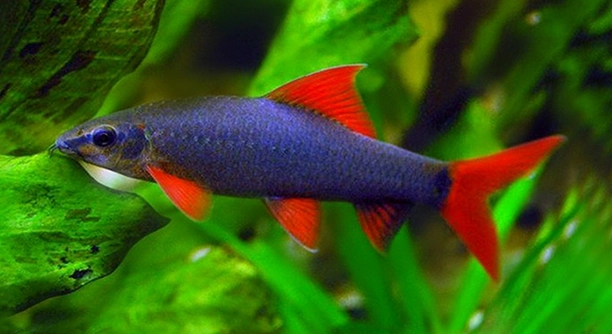
Are your rainbow sharks showing signs of stress or not thriving as expected in their tank environment? Small setup issues could be affecting their health and behavior without you even realizing it.
Creating a tank suitable for rainbow sharks involves choosing the right size, ensuring proper filtration, maintaining stable water parameters, and providing adequate hiding spots. These freshwater fish need a well-structured environment to support their territorial nature and long-term well-being.
Proper setup techniques will not only improve their quality of life but also make your aquarium easier to manage and more enjoyable to watch.
Choose the Right Tank Size
Rainbow sharks need plenty of space to swim and claim territory. A tank that’s too small can make them aggressive or stressed. A minimum of 55 gallons is ideal for one adult rainbow shark. If the tank is too cramped, their behavior may become unpredictable, especially with other fish around. Larger tanks also make it easier to keep water quality stable, which is important for their health. It’s best to avoid housing multiple rainbow sharks unless the tank is very large with plenty of hiding spots and clear territories. Choose a long tank instead of a tall one, as it gives them more swimming room and space to explore. This setup mimics their natural habitat and helps them feel secure. It also reduces territorial fights, which are common in smaller spaces. A spacious tank is one of the most important things you can provide to keep your rainbow shark healthy.
A 55-gallon tank supports their activity and helps limit stress. Crowded tanks can cause issues like fin damage and poor appetite.
Avoid placing your rainbow shark in a tank smaller than recommended. It might seem easier at first, but it leads to long-term problems. Give them space to swim freely and claim their territory without conflict.
Maintain Proper Water Conditions
Rainbow sharks are sensitive to sudden changes in water conditions. Keep the temperature between 75°F and 81°F, and use a reliable heater to avoid fluctuations.
Stable water parameters help prevent health problems like fin rot and infections. Use a quality water test kit to monitor ammonia, nitrite, nitrate, and pH levels regularly. Aim to keep the pH between 6.5 and 7.5. Perform weekly water changes of about 25% to keep the tank clean and balanced. Chlorine or heavy metals in tap water can harm your fish, so always treat new water with a conditioner. Use a sponge or pre-filter to protect the shark’s sensitive barbels from strong currents. Overfeeding can raise nitrate levels quickly, so feed small portions and remove any uneaten food. Maintaining water quality requires regular care, but it helps your rainbow shark stay active and healthy. Poor water conditions can lead to stress, illness, and dull coloring. A clean and balanced tank environment is one of the easiest ways to ensure your fish feels secure.
Provide Plenty of Hiding Spots
Rainbow sharks are territorial and need hiding places to feel secure. Use decorations like caves, rocks, and driftwood to create visual barriers that break up their line of sight. This reduces stress and prevents aggressive behavior.
Hiding spots give your rainbow shark a place to retreat when they feel threatened or overwhelmed. These areas help lower their stress levels and make it easier to share the tank with other fish. When setting up decorations, be sure they’re stable and won’t shift or collapse, especially if your shark likes to dig around them. Artificial plants can also be added for more cover without altering the water parameters. Spread the hiding spots throughout the tank instead of placing them all in one corner. This encourages natural movement and lets your fish feel safe in different areas. A secure fish is more active, eats better, and shows brighter coloring.
Having enough hiding spots reduces territorial disputes, especially in tanks with multiple fish. Even if your rainbow shark is the only one in the tank, it still benefits from areas that mimic the shadowed or covered parts of a riverbed. These spaces support natural behavior and lead to a calmer, healthier fish. Don’t underestimate how much cover affects your shark’s comfort.
Use a Gentle but Effective Filter
Rainbow sharks prefer clean, well-oxygenated water but don’t do well with strong currents. A gentle filter with adjustable flow keeps the water moving without disturbing their swimming patterns. It also helps avoid damaging their fins or displacing decorations.
Choose a filter that’s rated for a slightly larger tank than yours, as this helps maintain consistent water quality. Look for one with multiple stages—mechanical, chemical, and biological—to keep the tank balanced. Sponge filters or canister filters with adjustable outputs work well, especially if you add a spray bar or baffle to soften the current. Place the filter in a way that doesn’t disrupt the hiding spots or create dead zones where debris can collect. Clean the filter regularly, but avoid washing it with untreated tap water to preserve beneficial bacteria. A properly maintained filter helps remove waste, control toxins, and keep your rainbow shark comfortable in its environment. Clean water and a gentle flow create a healthier tank overall.
Choose Tank Mates Carefully
Rainbow sharks are semi-aggressive and territorial, especially with fish that look similar or invade their space. Avoid bottom dwellers or other shark-shaped fish. Choose active mid-to-top swimmers that won’t challenge their territory or provoke fights.
Good tank mates include barbs, danios, and rasboras. Avoid slow or timid species like guppies or bettas.
Keep a Consistent Lighting Schedule
Rainbow sharks benefit from a regular day-night cycle. Use an automatic timer to provide 8 to 10 hours of light daily. This supports natural behavior and helps regulate their activity. Avoid sudden light changes, which can cause stress or make them hide.
Avoid Overfeeding
Overfeeding leads to poor water quality and can stress your rainbow shark. Offer small amounts of food once or twice a day, and remove leftovers after a few minutes. Use high-quality pellets and supplement with occasional vegetables or protein treats.
FAQ
Can rainbow sharks live with other rainbow sharks?
It’s not recommended to keep multiple rainbow sharks in the same tank unless the tank is very large, ideally over 125 gallons, with plenty of hiding spots and visual barriers. These fish are extremely territorial, especially with their own kind. If forced to share space, they often fight, sometimes to the point of injury or death. Even adding them together at a young age doesn’t always prevent aggression as they grow. A single rainbow shark does best when housed alone or with peaceful, fast-moving species that won’t compete for bottom space.
How often should I clean a rainbow shark’s tank?
Perform a 25% water change weekly to keep water quality stable. Clean the substrate using a gravel vacuum to remove leftover food and waste. Rinse filter media in old tank water (never tap water) during each monthly maintenance. Keep glass surfaces free of algae and check water parameters regularly to avoid hidden imbalances. Avoid deep-cleaning everything at once—this could remove beneficial bacteria and cause a sudden spike in ammonia or nitrites. Regular, moderate maintenance is much safer than occasional heavy cleaning sessions. Keeping up with simple routines helps your rainbow shark stay active and healthy.
Do rainbow sharks eat plants?
Rainbow sharks are not plant eaters by nature, but they may nibble on soft-leaved plants out of boredom or curiosity. If you want to keep live plants, choose hardy options like Java fern, Anubias, or Amazon sword. These types of plants are less likely to be disturbed. Floating plants can also help reduce light and provide shade, which makes your rainbow shark feel more secure. Avoid delicate species that tear easily. You may also notice them grazing on algae growing on the plants or decorations, which is completely normal. This does not usually harm the plant itself.
What should I feed my rainbow shark?
Feed them high-quality sinking pellets as their staple diet. These are designed to meet their nutritional needs and prevent food from floating where they won’t find it. Supplement with blanched vegetables like zucchini or spinach once or twice a week. Occasional treats like bloodworms or brine shrimp (frozen or live) can help with variety and stimulation. Feed once or twice a day, offering only what they can eat in two minutes. Overfeeding causes cloudy water and high nitrate levels, which can affect their health. A balanced diet supports strong coloration and steady growth over time.
Why is my rainbow shark hiding all the time?
It’s normal for rainbow sharks to hide during the day or when adjusting to a new environment. If they hide constantly, check for stress factors like poor water quality, aggressive tank mates, or too much bright light. Make sure your tank has enough caves or driftwood to give them a sense of safety. Once they feel secure and the tank conditions are stable, they usually become more active and visible, especially during feeding times. Avoid sudden changes in lighting or loud movements near the tank, as these can cause stress and make hiding worse.
How long do rainbow sharks live?
With proper care, rainbow sharks typically live 5 to 8 years in a home aquarium. Some can live longer with excellent water quality, a stable environment, and a well-balanced diet. A proper setup from the beginning makes a big difference in their long-term health. Avoiding overcrowding and maintaining good tank hygiene will help extend their lifespan. Since they can live several years, it’s important to be prepared for their long-term care and ensure you can meet their needs over time. A healthy, stress-free environment allows them to thrive for many years.
Final Thoughts
Setting up the right tank for a rainbow shark takes careful planning, but the effort pays off. These fish are bold, active, and beautiful when they feel secure in their space. By choosing a large enough tank, adding hiding spots, and selecting peaceful tank mates, you can create an environment that supports their natural behavior. It’s important to understand that rainbow sharks are territorial by nature, and a proper tank layout helps prevent stress or aggression. Giving them space to swim and hide keeps their energy balanced and improves their overall quality of life.
Water quality is another key part of caring for a rainbow shark. Keeping the tank clean, using the right filter, and doing regular water changes all support their long-term health. These steps help control ammonia, nitrites, and nitrates—things that can build up quickly and harm your fish. A gentle but effective filter keeps the water flowing and clear without stressing them with strong currents. Always keep water temperature and pH within the proper range to prevent illness or behavior changes. Feeding your rainbow shark a simple, varied diet also helps with digestion and color. With a steady routine, these care steps become second nature and make aquarium upkeep much easier.
Rainbow sharks can be rewarding fish to care for when their needs are met. They are best kept alone in a well-planned community tank with peaceful species that don’t crowd the lower levels. Their habits may seem shy at times, but as they grow comfortable, they often become more confident and active. Watching a healthy rainbow shark explore, feed, and interact with its surroundings is a sign that you’ve created the right setup. Taking time to learn what they need—space, shelter, clean water, and the right company—helps you avoid problems and enjoy your tank even more. A thoughtful setup gives your fish a strong foundation for a healthy life and allows you to enjoy their natural beauty with less stress for both you and the fish.

Hello,
If you enjoy the content that we create, please consider saying a "Thank You!" by leaving a tip.
Every little bit helps us continue crafting quality advice that supports the health, happiness, and well-being of pets around the world, for pets of all shapes, sizes, and species.
We really appreciate the kindness and support that you show us!