
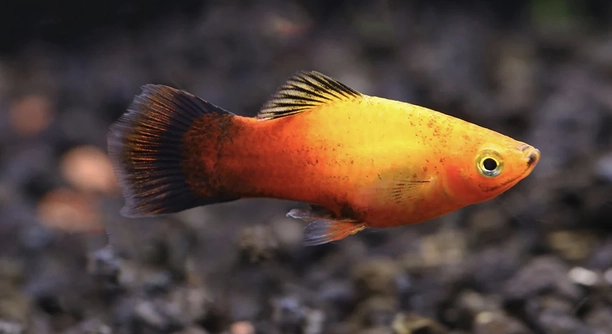
Setting up a quiet platy tank requires attention to detail and care. Platies are peaceful fish that thrive in calm environments. Creating the right space helps them stay healthy and active in your home aquarium.
A quiet platy tank can be achieved by controlling water flow, minimizing noise sources, and maintaining stable water conditions. Proper tank placement and suitable equipment also contribute to a calm habitat, ensuring the wellbeing of the platies.
Understanding these basics will help you create a peaceful environment for your fish. The following tips offer practical advice for a successful platy tank setup.
Choosing the Right Location for Your Platy Tank
Finding the right spot for your platy tank is important. Avoid placing the tank near loud appliances, heavy foot traffic, or direct sunlight. These factors can create vibrations, noise, or temperature changes that disturb the fish. A quiet, stable area helps keep the tank environment calm.
Make sure the surface where you place the tank is level and sturdy. This prevents any unwanted shaking or accidents.
Positioning the tank away from windows reduces exposure to temperature fluctuations and sudden light changes. This helps maintain consistent conditions. It also prevents stress that can affect the health of your platies.
Choosing a calm and steady spot minimizes disturbances and allows the fish to feel secure. Your platies will swim calmly and show natural behavior when their surroundings are peaceful.
Equipment That Supports a Quiet Tank
Selecting equipment designed for low noise is essential. Filters with adjustable flow reduce water movement noise. Air pumps with noise dampeners help maintain silence.
Using a sponge filter or canister filter can also lower sound levels. These types usually operate quietly compared to standard filters.
The heater should have a built-in thermostat to avoid frequent cycling noises. A consistent temperature keeps the fish comfortable and reduces stress.
Cable management is often overlooked but important. Secure cables away from the tank stand to prevent vibrations or rattling sounds.
Regular maintenance also plays a role in keeping equipment quiet. Clean filters and check for wear to avoid noisy operation.
When equipment runs smoothly and quietly, your platy tank environment stays peaceful. This benefits both the fish and the overall tank experience.
Controlling Water Flow
Strong water flow can stress platies, making a quiet tank hard to maintain. Adjust the filter’s flow rate to keep water movement gentle. This creates a calm environment where platies can swim comfortably without fighting currents.
Reducing water turbulence helps maintain stable water conditions. Excessive flow can disturb substrate and plants, increasing debris in the tank. This leads to more frequent cleaning and possible stress for the fish. Gentle water movement also improves oxygen circulation without creating unnecessary noise.
Balancing the flow rate is key. Too little flow reduces oxygen levels, while too much causes stress and noise. Use adjustable filters and regularly monitor the tank’s current to maintain an ideal balance that supports platy health and tank quietness.
Minimizing External Noise
Placing the tank away from noisy areas helps reduce stress on the fish. Avoid rooms with loud appliances or frequent activity near the aquarium.
External noises can cause sudden vibrations and disturbances inside the tank. These interruptions affect the fish’s behavior and may trigger hiding or erratic swimming. Over time, this impacts their overall health.
To further reduce noise, use foam pads or mats under the tank stand. These absorb vibrations from the floor or furniture. Closing doors and windows near the tank limits outside sounds.
Creating a quiet atmosphere outside the tank supports calmness inside. It helps platies feel safe and comfortable, allowing them to thrive in their aquatic home.
Proper Lighting Setup
Bright or flickering lights can disturb platies and create stress. Use soft, consistent lighting to simulate a natural environment.
LED lights with adjustable brightness are a good choice. They consume less energy and produce minimal heat.
Maintaining Stable Water Temperature
Keeping the tank temperature steady is essential for platy health. Sudden changes cause stress and can lead to illness.
Use a reliable heater with a thermostat to keep the temperature between 72°F and 78°F. Regularly check the temperature with a thermometer.
Avoid placing the tank near windows or heating vents to reduce temperature fluctuations. Stable water conditions support a peaceful, quiet tank environment.
Adding Plants and Decorations
Plants and decorations provide hiding spots, reducing stress and creating a calmer tank. They also help diffuse sound inside the aquarium.
Choose smooth decorations without sharp edges to protect your fish. Live plants improve water quality by absorbing nitrates and providing oxygen.
FAQ
How often should I clean my platy tank to keep it quiet?
Regular cleaning helps maintain water quality and reduces noise caused by dirty filters or buildup. A partial water change of about 20-25% every week is recommended. Cleaning the filter media monthly keeps equipment running smoothly and quietly. Avoid over-cleaning to preserve beneficial bacteria essential for a healthy tank.
Can strong water flow harm my platies?
Yes, platies prefer gentle water movement. Strong currents can stress them, making them less active and more prone to illness. Adjust filter settings or use flow deflectors to soften the water flow. This creates a calm environment that suits their natural swimming behavior.
What type of filter is best for a quiet platy tank?
Sponge filters and canister filters are excellent choices for quiet tanks. Sponge filters operate gently with minimal noise and provide biological filtration. Canister filters, when well-maintained, are also quiet and efficient. Choose a filter with adjustable flow to fine-tune water movement.
Is it necessary to use an air pump in a platy tank?
An air pump isn’t always necessary if the filter provides sufficient oxygenation. However, if the tank is heavily planted or has low surface agitation, a quiet air pump can improve oxygen levels. Look for models with noise dampeners to keep the tank peaceful.
How do I prevent noise from equipment vibrations?
Place the tank on a sturdy, level surface with a vibration-absorbing mat or foam pad underneath. Secure loose cables and equipment to avoid rattling. Regular maintenance also prevents worn parts from causing extra noise.
Are live plants better than artificial plants for a quiet tank?
Live plants are beneficial because they improve water quality and create natural hiding spots. They also absorb sound waves, helping to soften noise inside the tank. Artificial plants do not offer these benefits but can still provide cover if maintained properly.
Can tank placement affect platy behavior?
Yes, tanks near noisy appliances or in busy rooms can stress fish. Placing the tank in a quiet, low-traffic area helps platies feel safe and behave naturally. Consistent lighting and temperature in this location further reduce stress.
What temperature range is ideal for platies?
Platies thrive between 72°F and 78°F (22°C to 26°C). Keeping the temperature stable within this range supports their metabolism and reduces stress. Use a reliable heater with a thermostat and monitor temperature regularly.
How do I manage algae growth without disturbing the tank?
Control algae by maintaining good water quality, avoiding overfeeding, and using live plants to compete for nutrients. Clean the glass gently during water changes without stirring up too much debris. Algae-eating fish or snails can help but monitor their impact on tank balance.
What should I do if my platies seem stressed despite a quiet setup?
Check water parameters like ammonia, nitrite, nitrate, pH, and temperature. Sudden changes or poor water quality can stress fish. Also review tank placement, lighting, and equipment noise. Small adjustments often improve fish comfort and restore calm behavior.
Final Thoughts
Setting up a quiet platy tank is important for the health and happiness of your fish. Platies do best in calm environments where they feel safe and can swim naturally. By paying attention to details like tank location, equipment noise, and water flow, you can create a peaceful space that supports their wellbeing. A quiet tank is not only better for the fish but also more enjoyable for you to watch and maintain.
Consistency is key when caring for platies. Keeping water temperature stable, maintaining clean water, and avoiding sudden changes help reduce stress for the fish. Noise from equipment or the surrounding area can affect the tank’s atmosphere, so choosing quiet filters and managing external sounds plays a big role. Including plants and decorations adds comfort and reduces noise inside the tank. These small efforts build up to a healthy, quiet aquarium environment.
Remember that each tank and set of fish is unique. What works well for one setup may need adjustment in another. Monitoring your platies regularly will help you notice any signs of stress or discomfort. Being patient and attentive allows you to make changes that improve their environment. A quiet platy tank requires care, but it rewards you with lively, healthy fish and a relaxing aquarium to enjoy.

Hello,
If you enjoy the content that we create, please consider saying a "Thank You!" by leaving a tip.
Every little bit helps us continue crafting quality advice that supports the health, happiness, and well-being of pets around the world, for pets of all shapes, sizes, and species.
We really appreciate the kindness and support that you show us!