
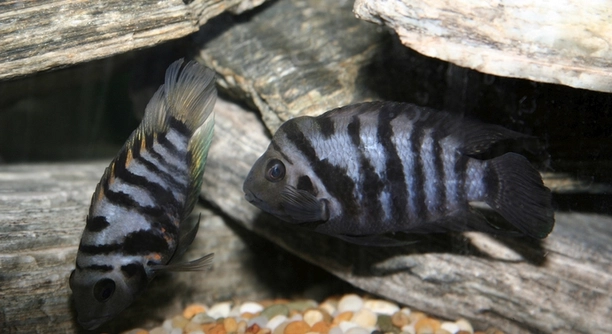
Setting up a tank exclusively for cichlids requires some planning to ensure their needs are met. These colorful fish have specific care requirements that differ from other freshwater species. Proper setup helps maintain their health and vibrant appearance.
Successfully establishing a cichlid-only tank involves selecting suitable tank size, maintaining appropriate water parameters, providing adequate hiding spots, and choosing compatible species. Attention to diet and regular maintenance further supports their well-being and reduces aggression.
This article covers essential tips to create a thriving environment tailored specifically for cichlids. Following these guidelines will help you enjoy a beautiful and balanced aquarium.
Choosing the Right Tank Size for Cichlids
Selecting the correct tank size is crucial for keeping cichlids healthy and stress-free. Many cichlid species grow larger than typical freshwater fish and need ample swimming space. A small tank can increase aggression and cause poor water quality. For smaller species, a 30-gallon tank might be sufficient, but larger or multiple cichlids require at least 55 gallons or more. The extra space helps reduce territorial disputes and promotes natural behavior. Also, a larger volume of water makes it easier to maintain stable water parameters, which cichlids are sensitive to. When planning your setup, consider the adult size of each species and how many fish you want to keep together. Avoid overcrowding to reduce stress and disease risk. Investing in a larger tank initially will save time and effort in the long run, leading to a more balanced aquarium.
Cichlids need room to swim and claim territories. Providing enough space helps keep their environment stable and peaceful.
Giving your fish enough room improves their overall health and reduces fighting. It also allows you to create natural-looking habitats with rocks and plants. A spacious tank supports their active nature and vibrant colors, making your aquarium more enjoyable to watch. Proper tank size is the foundation for successful cichlid care and sets the stage for other setup decisions.
Maintaining Proper Water Conditions
Stable water conditions are essential for cichlid health and comfort. They thrive in specific pH, hardness, and temperature ranges depending on their species. Regular testing and adjustments ensure water remains suitable. Frequent partial water changes help keep nitrate levels low and prevent buildup of harmful substances. Using a reliable filtration system supports clean and oxygenated water. Avoid sudden changes in water parameters, as cichlids can be sensitive to fluctuations. Acclimate new fish slowly to avoid stress. Some cichlids prefer slightly alkaline water, while others tolerate more acidic conditions. Understanding the needs of your particular species helps you provide the ideal environment. Consistent monitoring and maintenance protect your fish from disease and promote long-term health. Keeping water conditions stable requires attention but greatly benefits your aquarium’s balance and the well-being of its inhabitants.
Providing Adequate Hiding Spots
Cichlids need plenty of hiding places to feel secure and reduce stress. Rocks, caves, and plants create natural barriers. These spots help break up territories and prevent fights.
Using rocks and driftwood to form caves offers shelter and breeding areas. Avoid sharp decorations that might injure the fish. Live plants can also provide cover but choose hardy species that tolerate cichlid activity. Arrange hiding spots to create separate zones within the tank, which helps reduce aggression by giving fish personal space. Changing the layout occasionally can also reduce territorial disputes. Proper hiding spots mimic their natural habitat and promote calmer behavior, improving their overall well-being.
In addition to shelter, hiding places allow shy or weaker cichlids to escape from more aggressive tank mates. This balance is vital for a peaceful community within a cichlid-only tank.
Choosing Compatible Cichlid Species
Compatibility depends on the species’ temperament, size, and territorial needs. Avoid mixing highly aggressive cichlids with more peaceful ones to reduce conflict.
Researching species behavior helps create a harmonious tank. African cichlids from Lake Malawi usually do well together, but mixing them with South American species can cause problems. Pay attention to adult size differences; larger cichlids may bully smaller ones. Grouping species with similar aggression levels and water requirements simplifies maintenance and improves fish health. When combining species, provide enough hiding spots and space to reduce stress and territorial disputes. Compatibility is a key factor for success in a cichlid-only aquarium and requires careful planning before adding fish.
Feeding Your Cichlids Properly
Cichlids need a balanced diet to stay healthy and vibrant. Feeding them high-quality pellets or flakes designed for their species is important.
Supplement their diet with occasional live or frozen foods like brine shrimp or bloodworms to provide protein and variety.
Regular Tank Maintenance
Regular cleaning and water changes prevent waste buildup and keep water quality high. Removing uneaten food and debris reduces harmful ammonia and nitrate levels.
Establish a maintenance schedule that includes weekly water changes of about 20–30 percent. Clean the filter media as needed, but avoid over-cleaning to preserve beneficial bacteria. Consistent upkeep minimizes stress and disease risks, promoting a stable environment where cichlids can thrive.
Monitoring Fish Behavior
Watch for signs of stress or illness, such as changes in swimming, appetite, or color. Early detection helps prevent serious problems.
Avoiding Overcrowding
Overcrowding increases aggression and degrades water quality quickly. Keep the number of fish appropriate for your tank size.
What size tank do I need for a cichlid-only setup?
Tank size depends on the species and number of cichlids you plan to keep. Smaller species can live comfortably in tanks starting at 30 gallons, but most cichlids grow fairly large and are territorial. For multiple cichlids or larger species, tanks of 55 gallons or more are recommended to provide enough space for swimming and territory. Providing enough room reduces stress and aggression, promoting healthier fish and easier maintenance of water quality.
How often should I change the water in my cichlid tank?
Regular water changes are essential to maintain water quality and fish health. A good rule of thumb is to perform partial water changes of 20 to 30 percent every week. This helps keep nitrate and ammonia levels low while replenishing essential minerals. Avoid changing too much water at once, as sudden shifts in water chemistry can stress your fish. Using a water conditioner to remove chlorine and chloramine from tap water is important before adding it to the tank.
Can I mix different species of cichlids in the same tank?
Mixing cichlid species can be done, but it requires careful planning. Species with similar temperament, size, and water requirements are more likely to coexist peacefully. For example, African cichlids from Lake Malawi generally do well together, but they may not be compatible with South American species like angelfish or discus. Overcrowding and lack of hiding places increase aggression, so provide plenty of space and structures to break up territories.
What should I feed my cichlids?
A balanced diet is important for vibrant color and good health. Most cichlids do well on high-quality pellets or flakes formulated for their species. Supplement their diet with occasional live, frozen, or freeze-dried foods such as brine shrimp, bloodworms, or daphnia. Avoid overfeeding; feed small amounts once or twice daily to prevent leftover food from polluting the tank.
Why are my cichlids fighting so much?
Cichlids are naturally territorial, especially during breeding or when they feel crowded. Fighting often occurs due to insufficient space, too few hiding places, or mixing incompatible species. Increasing tank size, adding more hiding spots, or separating aggressive individuals can reduce conflict. Sometimes rearranging tank decorations disrupts established territories and decreases aggression.
How do I prevent disease in a cichlid-only tank?
Maintaining good water quality is the first defense against disease. Regular water changes, proper filtration, and not overcrowding the tank help keep fish healthy. Quarantine new fish before introducing them to the main tank to avoid spreading illnesses. Observe your fish daily for signs of sickness like spots, clamped fins, or lethargy, and treat issues promptly if they arise.
Is it necessary to use a heater in a cichlid tank?
Most tropical cichlids require stable temperatures between 75°F and 82°F (24°C to 28°C). Using a reliable heater helps maintain this range, especially in cooler climates or during winter. Sudden temperature changes stress fish and weaken their immune systems. Choose a heater suitable for your tank size and check the temperature regularly with a thermometer.
How many cichlids can I keep in one tank?
The number depends on tank size, species, and their aggression levels. Overcrowding leads to stress, fights, and poor water quality. A general guideline is one inch of fish per gallon of water, but cichlids often need more space due to their territorial nature. Research each species’ adult size and behavior to plan your stocking properly.
What types of decorations are best for a cichlid tank?
Natural decorations like rocks, caves, and driftwood provide hiding spots and territories. Avoid sharp or rough decorations that can injure your fish. Live plants may be used but choose hardy species that tolerate digging or nibbling by cichlids. Arrange decorations to create separate zones and break up line of sight to reduce aggression.
How do I acclimate new cichlids to my tank?
Slow acclimation reduces stress and helps new fish adjust to water conditions. Float the sealed bag in the tank for 15–20 minutes to equalize temperature. Gradually add small amounts of tank water to the bag every 10 minutes over an hour. Afterward, gently release the fish into the tank, avoiding adding bag water to prevent contamination. This process helps new cichlids adapt safely to their new environment.
Setting up a cichlid-only tank can be very rewarding when done correctly. These fish are beautiful and have interesting behaviors that make watching them enjoyable. However, they require special care and attention to their environment. Choosing the right tank size, maintaining stable water conditions, and providing adequate hiding spots are all important steps. When these needs are met, cichlids are less stressed and more likely to thrive. It is important to research the species you want and understand their specific requirements before setting up your tank. Taking the time to prepare a suitable environment will help your fish stay healthy and active.
Keeping cichlids together means paying close attention to compatibility. Mixing species with different temperaments or sizes can cause problems, such as fighting and stress. Providing enough space and hiding places can reduce these issues, but careful selection of species is still necessary. Feeding them a balanced diet suited to their needs supports their overall health and vibrant colors. Regular maintenance like cleaning the tank and monitoring water quality helps prevent diseases and keeps the aquarium balanced. This consistency will create a stable home for your fish, allowing you to enjoy their unique personalities and beauty.
Caring for a cichlid-only tank takes effort, but the results are worth it. The key is to create an environment that meets their natural needs and reduces stress. Watching a healthy, peaceful community of cichlids can be very satisfying. Remember that patience and attention to detail make a big difference. Each tank is different, so it may take some time to find the right balance for your fish. By following basic guidelines and observing your cichlids regularly, you can ensure they live long, healthy lives in a tank that feels like their natural home.

Hello,
If you enjoy the content that we create, please consider saying a "Thank You!" by leaving a tip.
Every little bit helps us continue crafting quality advice that supports the health, happiness, and well-being of pets around the world, for pets of all shapes, sizes, and species.
We really appreciate the kindness and support that you show us!