
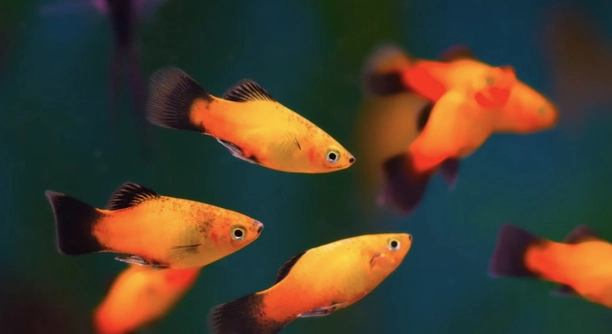
Moving platies to new homes requires careful attention to their well-being. These small, colorful fish need a smooth transition to avoid stress and health issues. Proper handling ensures they adapt safely to their new environment.
Successfully moving platies involves acclimating them slowly, maintaining stable water conditions, and minimizing physical stress during transfer. These steps are essential to prevent shock and promote the fish’s health in their new habitat.
Following these guidelines will help ensure your platies thrive after the move. The tips ahead provide clear and practical advice for a safe relocation.
Preparing the New Tank Environment
Before moving your platies, it is important to prepare the new tank properly. Make sure the water temperature matches that of their current tank to avoid sudden changes. Check the water parameters like pH, hardness, and ammonia levels, as platies are sensitive to poor water quality. Clean the new tank thoroughly and remove any chemicals or residues that could harm the fish. Adding some live plants or hiding spots helps reduce stress during acclimation. Let the filtration system run for at least 24 hours before introducing the fish to establish a stable environment. This preparation helps create a safe and comfortable space for the platies to settle in.
Matching the water conditions and setting up the new tank ahead are key to a smooth transition. This minimizes the risks of stress and illness for the platies.
Proper tank preparation sets the foundation for healthy platies. Taking time to adjust the environment reduces shock and helps them adapt faster. This also promotes their natural behavior and overall well-being in the new home.
Acclimating Platies Slowly
Acclimation should be done gradually to avoid stress.
Slow acclimation involves floating the bag with the platies in the new tank for about 15–20 minutes to equalize temperature. Then, add small amounts of tank water to the bag every 5 minutes over 30–45 minutes. This helps the fish adjust to new water chemistry gradually. Avoid rushing this process, as sudden changes can cause shock. Using a drip line or pouring water carefully reduces the risk of damaging the fish. Patience during acclimation increases the chances of a healthy transition.
When moving platies, a slow and steady acclimation reduces stress significantly. Sudden changes in temperature or water chemistry can lead to illness or even death. Floating the sealed bag allows temperature equalization, while gradually mixing tank water conditions helps the fish adjust internally. After the acclimation process, gently release the platies into the tank, avoiding pouring water from the bag into the new tank to prevent contamination. Keep the lights dimmed for a few hours after introduction to minimize stress. Monitoring the fish for signs of distress or disease in the first few days is essential to address any issues quickly. Proper acclimation is a crucial step that directly impacts their health and comfort in the new environment.
Handling Platies with Care
Platies are delicate and should be handled gently during transfer. Avoid using nets aggressively, as this can damage their fins or cause stress.
Use a soft, fine mesh net or carefully cup them in your hands to move them. Handle the fish as little as possible to reduce stress and injury. If transferring between containers, do it slowly and steadily to prevent sudden movements. Keep the environment calm and quiet to avoid startling the fish during the process. Minimizing physical contact preserves their protective slime coat, which is essential for their health. Proper handling ensures the platies remain calm and healthy through the move.
After placing platies in the new tank, watch their behavior closely. Signs of stress include rapid gill movement or hiding excessively. Offer a small amount of food after a few hours to encourage normal activity. Keeping disturbances low supports their adjustment period. This care during handling helps promote a smooth transition.
Monitoring After the Move
Observe the platies for the first few days carefully to catch any health issues early. Stress can weaken their immune system, making them prone to infections.
Check water quality regularly and perform partial water changes if necessary to maintain a clean environment. Watch for signs like lethargy, loss of appetite, or unusual swimming patterns. Keeping the tank environment stable is crucial during this period. If problems appear, isolate affected fish and consult aquatic care resources or a vet. Prompt action can prevent minor issues from becoming serious. This monitoring phase is vital for ensuring the platies settle well in their new home.
Avoiding Overcrowding
Overcrowding stresses platies and reduces water quality quickly. Ensure the new tank has enough space for all fish to swim freely.
A general rule is one gallon of water per inch of fish. Providing adequate space helps prevent aggression and supports healthy growth.
Quarantine New Fish
Quarantining new platies before introducing them to the main tank protects your existing fish from diseases. Use a separate tank for at least two weeks.
Monitor their health closely during this period. Quarantine helps catch infections early and prevents spreading illness to your established platies.
Maintain Proper Nutrition
Feeding platies a balanced diet strengthens their immune system and helps them recover from the stress of moving. Provide high-quality flakes, pellets, and occasional live or frozen foods.
Varied nutrition supports overall health, bright colors, and active behavior, which are signs of well-adjusted fish.
Keep Lighting Moderate
Bright or sudden lighting can stress platies after moving. Use moderate light levels to create a calming environment.
FAQ
How long should I wait before feeding platies after moving them?
It is best to wait about 2 to 4 hours before offering food. This allows the fish time to adjust to their new surroundings without added stress. Feeding too soon can overwhelm them and cause water quality issues if food is uneaten.
Feeding small amounts once acclimated is better than large meals. Monitor their appetite and offer food when they seem more relaxed and active.
Can I move platies directly from one tank to another without acclimation?
No, skipping acclimation can shock the fish due to sudden changes in water temperature and chemistry. This shock can cause stress, illness, or even death.
Always acclimate slowly by floating the transport bag in the new tank, then gradually mixing tank water before releasing the fish. This careful process helps the fish adjust safely.
What signs indicate stress or illness after moving?
Look for clamped fins, hiding, rapid gill movement, loss of appetite, or unusual swimming behavior. Stress can weaken immune systems, making fish more vulnerable to diseases.
If these signs appear, check water quality immediately and consider isolating affected fish to prevent spreading illness.
How often should I check water parameters during the first week?
Daily monitoring of temperature, pH, ammonia, nitrite, and nitrate levels is important during this time. The new tank may experience fluctuations as the ecosystem stabilizes after the move.
Frequent checks help catch problems early and allow for timely water changes or treatment if needed. Maintaining stable water quality supports recovery and adaptation.
Is it necessary to quarantine new platies before moving them to the main tank?
Yes, quarantining new fish helps prevent introducing diseases to your established tank. A quarantine period of at least two weeks in a separate tank is recommended.
During quarantine, observe their health carefully and treat any signs of illness before mixing them with other fish.
What is the best way to transport platies safely?
Transport them in a clean, sealed plastic bag with enough water and oxygen. Keep the bag insulated to maintain temperature during transport.
Avoid shaking or sudden movements to reduce stress. Transport during cooler parts of the day if possible.
How do I reduce stress during the move?
Minimize handling, keep the environment calm, and avoid loud noises or bright lights. Use dim lighting in the new tank initially and provide hiding spots.
Slow acclimation and careful monitoring after the move are also crucial for lowering stress.
Can I move platies between tanks with different water hardness or pH?
It is best to match water hardness and pH as closely as possible before moving. Large differences can shock the fish and cause health problems.
If exact matching is not possible, acclimate very slowly over an extended period to allow fish to adjust.
What should I do if a platy shows signs of illness after moving?
Isolate the sick fish in a separate hospital tank to avoid infecting others. Test water quality and perform partial water changes to improve conditions.
Consult aquatic health resources or a veterinarian for proper diagnosis and treatment. Early intervention increases chances of recovery.
How can I make platies feel comfortable in their new home?
Provide stable water conditions, appropriate tank mates, and plenty of hiding places like plants or decorations. Maintain a regular feeding schedule and avoid sudden changes.
A peaceful, consistent environment helps platies settle quickly and display natural behaviors.
Moving platies to a new home can be a smooth process when done carefully. It requires planning and attention to detail, especially in preparing the tank and handling the fish gently. Matching water conditions, acclimating slowly, and avoiding sudden changes are key steps that protect the fish from stress and health problems. Taking these precautions supports the well-being of your platies and helps them adjust comfortably to their new environment.
Watching your platies closely after the move is important. Stress can show through changes in behavior or appetite, and water quality needs regular checks during this time. Early signs of illness or discomfort should be addressed quickly to prevent further problems. By maintaining stable conditions and a calm environment, you can help your platies regain their strength and feel secure. Proper care during and after the move builds a strong foundation for their long-term health.
Remember that patience is essential when relocating platies. They may take some time to settle and show their true colors again. Providing hiding spots, moderate lighting, and a balanced diet all contribute to their recovery. Avoid overcrowding and always quarantine new fish to keep the entire tank healthy. These steps ensure that your platies thrive and remain vibrant, active members of your aquatic community for years to come.

Hello,
If you enjoy the content that we create, please consider saying a "Thank You!" by leaving a tip.
Every little bit helps us continue crafting quality advice that supports the health, happiness, and well-being of pets around the world, for pets of all shapes, sizes, and species.
We really appreciate the kindness and support that you show us!