
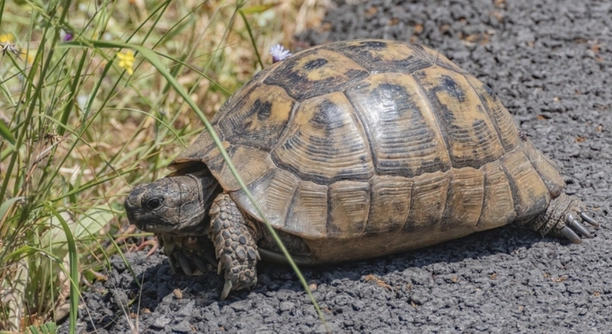
Handling a Greek tortoise requires care and attention. Knowing how to safely interact with this unique pet ensures its well-being and your enjoyment. These tortoises are calm, but it’s important to understand their specific needs for proper handling.
The safest way to handle a Greek tortoise is to approach it gently, using both hands to support its body. Never pick it up by its shell, as this can cause injury. Consistent, calm handling builds trust between you and your tortoise.
Knowing how to safely handle your tortoise can improve the bond you share and promote its long-term health.
The Right Way to Pick Up a Greek Tortoise
When picking up a Greek tortoise, the goal is to be gentle and ensure its safety. Approach from the front, allowing the tortoise to become aware of your presence. Use both hands to lift it, placing one hand under its body and the other supporting its shell. Be sure to avoid grabbing its legs or tail. Always maintain a stable grip and keep the tortoise close to your body to avoid dropping it. A secure hold will make the tortoise feel more comfortable and less stressed.
Proper handling minimizes the risk of injury to both you and the tortoise. It also helps create a more trusting relationship between the two of you.
If you’re unsure about handling, consider spending time observing how the tortoise moves and behaves. Understanding its body language can also improve your approach. A calm tortoise is much easier to handle than one that is frightened, which can lead to defensive actions or injury. By practicing patience, you’ll build a strong connection with your tortoise.
Creating a Safe Environment for Handling
Ensuring your tortoise is in a safe space makes handling easier. Make sure the area is free from obstacles and dangers.
A safe, quiet environment reduces the chances of your tortoise feeling stressed during handling. Having a calm setting allows you both to focus on the task without interruptions. Proper preparation is essential for safe interactions.
Handling a Greek Tortoise for Short Periods
It’s best to handle your Greek tortoise for brief periods. Prolonged handling can stress it out. Keep your interactions under 10 minutes at a time, especially when you’re building trust.
Short sessions allow the tortoise to feel secure and avoid feeling overwhelmed. Gradually, you can extend the time you spend together as your bond strengthens. Be mindful of its body language, as signs of stress can indicate the need to end the session. Observing your tortoise’s behavior helps you avoid any negative experiences.
By taking it slow, you create positive, low-stress interactions that can help your tortoise become more comfortable with handling. The key is patience and consistency.
The Importance of Proper Temperature
Greek tortoises thrive in specific temperature ranges, which directly affect their comfort. Ensure your tortoise is not too cold or too warm.
Proper temperature regulation is vital for their health. Tortoises need a warm environment to stay active and digest food. A basking area with a heat source is necessary to maintain the appropriate temperature range. Too much heat or cold can cause stress, leading to potential health problems. Consider investing in a thermometer to keep track of the habitat’s temperature accurately.
Without the correct temperature, your tortoise may not have the energy it needs for regular movement and feeding. A stable environment will help ensure it feels secure and healthy.
Understanding Tortoise Behavior During Handling
Greek tortoises communicate their comfort level through body language. Pay attention to these signs to ensure proper handling.
If your tortoise withdraws into its shell, it’s a sign of discomfort. Slow, deliberate movements are normal, but if the tortoise starts pacing or trying to escape, it might feel stressed. Recognizing these cues helps avoid overstimulating the animal.
By understanding and responding to its behavior, you can ensure a safe and positive experience for both you and your tortoise.
The Role of Hydration
Hydration is key for your Greek tortoise’s health. Ensure it has constant access to clean, fresh water.
A well-hydrated tortoise is more active and less likely to become dehydrated, which can cause serious health problems. Place a shallow water dish in the enclosure and change it regularly. A hydrated tortoise will be more comfortable during handling, making interactions smoother and less stressful for both of you.
Avoiding Stressful Situations
Stress can negatively impact your tortoise’s health. Be mindful of sudden movements or loud noises.
Create a calm environment by limiting disruptions during handling. Stress can affect its immune system, so ensure your tortoise feels safe and secure.
FAQ
How often should I handle my Greek tortoise?
Handling your Greek tortoise should be done in moderation. Overhandling can stress the animal, so aim for short sessions no longer than 10 minutes. Start with a few brief interactions each week, gradually increasing the time as it becomes more comfortable with you. Always watch for signs of stress and adjust accordingly.
Can I pick up my Greek tortoise by the shell?
No, it’s important not to pick up your tortoise by the shell. Lifting by the shell can cause injury or stress. Instead, always support the tortoise with both hands—one under its body and the other supporting its shell to maintain balance. This method ensures that it feels secure during handling.
What temperature should the environment be for my Greek tortoise?
Greek tortoises need a warm environment to thrive. The basking area should be around 90°F (32°C), with the cooler side of the enclosure at around 75°F (24°C). It’s essential to provide a temperature gradient, allowing the tortoise to regulate its body heat. A thermometer can help you monitor the temperature accurately.
What signs indicate that my Greek tortoise is stressed?
Signs of stress in a Greek tortoise can include hiding in its shell, pacing, or trying to escape. If the tortoise starts breathing heavily or appears lethargic, it may be a sign of stress. A stressed tortoise will likely retreat into its shell and avoid movement. Always give your tortoise space if these behaviors occur.
How long can I leave my Greek tortoise out of its enclosure?
It’s best to only remove your Greek tortoise from its enclosure for short periods. A few minutes to an hour outside its habitat is fine, but prolonged periods can cause stress or dehydration. Always return the tortoise to its environment after a short handling session to maintain its comfort and well-being.
Is it safe to let my Greek tortoise roam around the house?
Allowing your tortoise to roam around the house can be risky. The environment is not always tortoise-friendly, with potential hazards like electrical cords, sharp objects, or places to get stuck. If you decide to let it roam, make sure the area is secure, free of dangers, and has adequate supervision.
Can Greek tortoises be kept in pairs?
Greek tortoises are typically solitary creatures and should not be kept in pairs unless you are prepared for possible territorial disputes. Two males, in particular, can become aggressive toward each other. If keeping more than one, ensure that the enclosure is large enough to accommodate both animals with separate basking and hiding areas to reduce conflict.
Do Greek tortoises hibernate?
Greek tortoises do hibernate in the wild, typically during the colder months. If you keep your tortoise indoors, it may enter a form of brumation, which is a period of reduced activity. This is normal, but it’s essential to maintain proper environmental conditions to help it through this phase without it becoming stressed or dehydrated.
What should I feed my Greek tortoise?
Greek tortoises are herbivores, and their diet should consist mainly of dark leafy greens, grasses, and some fruits. Offer a variety of greens like dandelion leaves, collard greens, and mustard greens. Avoid high-protein foods, as these can cause health issues. Fresh, clean water should always be available, and you can occasionally provide edible flowers like hibiscus.
How do I know if my Greek tortoise is healthy?
A healthy Greek tortoise is active and alert, with clear eyes and smooth, undamaged shell. Its skin should be free of lesions or discharge, and it should eat regularly. If your tortoise is lethargic, has difficulty eating, or exhibits abnormal behavior, it may be a sign of an underlying health problem. Always consult a vet if you’re unsure.
Final Thoughts
Handling a Greek tortoise requires patience and understanding. The key is to respect its comfort level and not rush interactions. Overhandling can lead to stress, so it’s important to keep your sessions short, especially when first establishing a bond. By observing the tortoise’s behavior, you can determine when it’s feeling overwhelmed and when it’s ready for more interaction. A calm, steady approach will help you build trust and ensure your tortoise remains comfortable and healthy.
Creating an environment that supports your tortoise’s well-being is just as important as the handling itself. The right temperature, lighting, and humidity levels are essential for your tortoise’s health. Providing an appropriate enclosure with a basking area and a cooler zone will allow the tortoise to regulate its body temperature naturally. Keeping its habitat clean and offering fresh food and water regularly will contribute to its overall health, making it more likely to thrive in your care.
By maintaining a routine of proper care and gentle handling, you can form a strong bond with your Greek tortoise. These creatures are known for their longevity, so building a positive relationship early on will ensure that both you and your tortoise can enjoy many years together. With patience, attention to its needs, and a calm approach, you’ll help your tortoise feel secure and safe in its environment.

Hello,
If you enjoy the content that we create, please consider saying a "Thank You!" by leaving a tip.
Every little bit helps us continue crafting quality advice that supports the health, happiness, and well-being of pets around the world, for pets of all shapes, sizes, and species.
We really appreciate the kindness and support that you show us!