
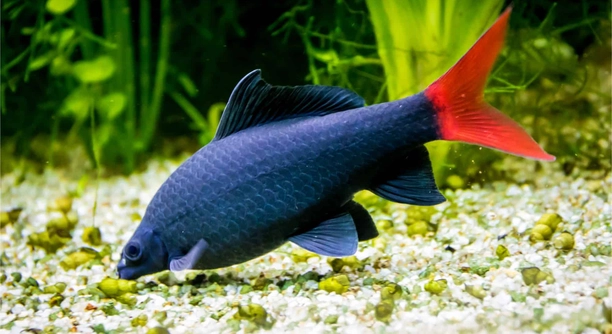
Caring for a Rainbow Shark can be rewarding, but stress in these fish is a common concern. Stress can affect their health and behavior, making it important to understand how to reduce it effectively.
Rainbow Sharks experience stress due to environmental changes, poor water quality, overcrowding, and inadequate diet. Addressing these factors through proper tank maintenance, stable conditions, and balanced nutrition helps minimize stress and promotes their well-being.
Reducing stress in your Rainbow Shark supports a healthier, more active fish and a better aquarium environment overall. This article offers practical tips to help you maintain their comfort and vitality.
Maintaining Clean Water Conditions
Clean water is essential for reducing stress in your Rainbow Shark. Regular water changes and proper filtration keep the tank environment stable and healthy. When waste builds up, toxins like ammonia and nitrites increase, which can harm your fish and cause stress. Testing the water regularly helps you catch problems early before they affect your Rainbow Shark. Avoid overfeeding as leftover food decomposes and pollutes the water. Keep the tank free of debris by vacuuming the substrate and cleaning decorations. Using a good quality filter designed for your tank size ensures proper water circulation and oxygenation. Consistent water temperature is also important, as sudden changes can stress your fish. Aim for a temperature between 74 and 80 degrees Fahrenheit. Maintaining water quality creates a comfortable space for your Rainbow Shark to thrive.
Regular monitoring and cleaning routines help keep water safe and stress-free for your fish.
Keeping your tank clean is the foundation of good care. A stable environment reduces the risk of disease and improves your Rainbow Shark’s health. Using water conditioners during changes removes harmful chemicals like chlorine. Also, avoid overcrowding the tank, as too many fish strain the filtration system and create more waste. A properly maintained tank reduces stress and helps your Rainbow Shark live longer and stay active.
Providing Proper Tank Space and Hiding Spots
Rainbow Sharks need enough space to swim and hide to feel secure. A tank of at least 30 gallons is recommended. Adding hiding places with rocks, plants, or caves gives them spots to retreat when stressed. These spaces help lower aggression and anxiety by giving your fish control over its environment. Position decorations to create natural barriers, which can reduce conflicts with other fish. Avoid overcrowding as it leads to stress and aggression, making it harder for your Rainbow Shark to feel safe.
Providing a well-structured tank promotes a peaceful atmosphere for your fish.
Creating a balanced environment where your Rainbow Shark can explore and rest is key. Hiding spots also reduce stress by offering shelter during times of change, like after water changes or new tank mates. Choose smooth decorations to prevent injury. Live plants improve water quality and offer additional cover. Observing how your fish uses the space helps you adjust the setup to fit its needs. A thoughtful tank layout supports a calm and healthy Rainbow Shark.
Balanced Diet and Feeding Routine
Feeding your Rainbow Shark a balanced diet helps reduce stress and supports its immune system. Avoid overfeeding to prevent water pollution and digestive problems.
A varied diet including high-quality pellets, flakes, and occasional live or frozen foods like bloodworms or brine shrimp keeps your fish healthy. Nutrients from diverse sources improve coloration and energy levels. Feeding small amounts twice a day helps maintain stable water conditions. Remove any uneaten food within a few minutes to avoid decay. A consistent feeding schedule also reduces stress by creating a routine your Rainbow Shark can rely on.
Proper nutrition plays a major role in reducing stress and preventing illness. Supplementing with vegetables such as blanched zucchini or spinach offers fiber and variety. Avoid feeding only one type of food to prevent deficiencies. A balanced feeding plan promotes overall well-being and helps your Rainbow Shark respond better to its environment.
Managing Tank Mates and Social Stress
Careful selection of tank mates helps reduce aggression and social stress for your Rainbow Shark. Avoid keeping them with overly aggressive or very small fish.
Rainbow Sharks can be territorial, especially in smaller tanks. Choose peaceful, medium-sized fish that won’t compete aggressively for space or food. Providing enough hiding spots and room to swim decreases confrontations. Introducing new fish slowly and monitoring interactions helps maintain harmony. Avoid overcrowding to limit stress caused by competition or bullying. Watching your fish’s behavior helps you identify signs of social tension early.
Keeping a balanced community reduces stress and promotes a peaceful aquarium environment. When tank mates are compatible, your Rainbow Shark can focus on feeding and exploring rather than defending territory. A calm tank helps all fish thrive.
Stable Water Temperature
Maintaining a stable water temperature is key to reducing stress in your Rainbow Shark. Sudden fluctuations can cause discomfort and illness.
Use a reliable heater and thermometer to keep the tank temperature between 74 and 80 degrees Fahrenheit. Regularly check for consistency, especially during seasonal changes.
Minimizing Loud Noises and Vibrations
Loud noises and vibrations can startle your Rainbow Shark, causing unnecessary stress. Place the tank in a quiet area away from heavy foot traffic or appliances that create vibrations.
Keep external disturbances to a minimum to maintain a calm environment. A stable, peaceful setting helps your fish feel secure and relaxed.
Regular Health Checks
Observe your Rainbow Shark daily for signs of illness or stress such as changes in color, behavior, or appetite. Early detection prevents worsening conditions and reduces stress.
Routine health checks allow prompt action and maintain your fish’s well-being.
FAQ
How often should I change the water in my Rainbow Shark’s tank?
Regular water changes are vital for keeping your Rainbow Shark stress-free. Ideally, change 20-25% of the water every week. This helps remove toxins and maintain stable water parameters. If your tank is heavily stocked or feeding is frequent, consider more frequent changes. Always use treated, dechlorinated water that matches the tank temperature to avoid shocking your fish.
What signs indicate my Rainbow Shark is stressed?
Signs of stress include loss of appetite, hiding more than usual, rapid breathing, faded colors, and erratic swimming. Sometimes they may rub against tank surfaces or stay near the filter outflow. Spotting these behaviors early lets you adjust care practices before health declines.
Can Rainbow Sharks live with other fish?
Yes, but careful selection is needed. Rainbow Sharks can be territorial, so tank mates should be peaceful and of similar size. Avoid small or slow-moving fish that could be bullied. Good companions include larger tetras, barbs, or plecos. Provide plenty of hiding places to reduce conflicts.
Is overfeeding harmful to Rainbow Sharks?
Overfeeding causes leftover food to decay, which pollutes the water and raises toxin levels. This environment stresses your fish and can lead to diseases. Feeding small amounts twice daily and removing uneaten food quickly helps maintain water quality and fish health.
What is the ideal tank size for a Rainbow Shark?
A minimum of 30 gallons is recommended for one Rainbow Shark. Larger tanks are better if you want to keep multiple fish or tank mates. This size gives enough space for swimming and territory, which reduces stress and aggression.
How important are hiding spots in the tank?
Hiding spots are very important. Rainbow Sharks need places to retreat when feeling threatened or stressed. Rocks, caves, and plants offer shelter and help reduce anxiety. A tank without hiding places can cause constant stress and lead to aggressive behavior.
Can temperature fluctuations cause stress?
Yes, sudden changes in water temperature can shock your Rainbow Shark. Keeping the temperature steady between 74 and 80 degrees Fahrenheit helps maintain comfort and health. Use a reliable heater and thermometer to monitor and control the temperature consistently.
What should I feed my Rainbow Shark?
A varied diet is best. Use high-quality pellets or flakes designed for bottom feeders as a staple. Supplement with live or frozen foods like bloodworms or brine shrimp occasionally. Vegetables such as blanched zucchini or spinach can add fiber and nutrients. Avoid feeding only one type of food to prevent deficiencies.
How do I know if my tank is overcrowded?
Signs of overcrowding include aggressive behavior, rapid deterioration in water quality, and stressed or sick fish. If fish constantly chase or nip at each other, or if you see cloudy water and foul odors, your tank might be too full. Aim to give each fish enough space for healthy swimming and resting.
Can vibrations and loud noises affect my Rainbow Shark?
Yes, Rainbow Sharks are sensitive to vibrations and loud sounds. Tanks placed near busy areas, appliances, or speakers can cause stress. Choose a quiet, stable spot for the aquarium to help your fish stay calm.
How can I introduce new fish without stressing my Rainbow Shark?
Introduce new fish slowly by quarantining them first and acclimating them to tank water gradually. Rearrange tank decorations to reduce territorial behavior and monitor interactions closely for signs of stress or aggression. Keep extra hiding spots available during introductions.
What routine health checks should I perform?
Watch your Rainbow Shark daily for changes in behavior, appearance, and appetite. Check for signs of illness such as spots, fin damage, or lethargy. Test water parameters weekly to ensure optimal conditions. Early intervention prevents disease progression and keeps stress low.
Is it necessary to use water conditioners?
Yes, always use water conditioners during water changes to remove harmful chemicals like chlorine and chloramine. Conditioned water protects your Rainbow Shark’s delicate gills and reduces stress caused by exposure to these toxins.
Can stress cause disease in Rainbow Sharks?
Stress weakens the immune system, making your fish more susceptible to infections such as fin rot, ich, or bacterial diseases. Preventing stress through good care and environment management reduces the risk of illness and promotes recovery.
How long do Rainbow Sharks typically live?
With proper care and minimal stress, Rainbow Sharks can live 5 to 8 years or longer. Maintaining clean water, proper diet, and a calm environment supports their health and longevity.
Taking good care of your Rainbow Shark means paying close attention to its environment and daily needs. Reducing stress is a key part of keeping your fish healthy and active. By maintaining clean water, stable temperature, and a balanced diet, you provide a comfortable home where your Rainbow Shark can thrive. Stress can make fish more prone to illness and shorten their lifespan, so it is important to act before problems arise. Small, consistent efforts in tank maintenance and feeding routines go a long way toward supporting your fish’s well-being.
Providing enough space and hiding places helps your Rainbow Shark feel safe and less threatened by tank mates or changes in its surroundings. Fish, like many animals, need spots where they can retreat and rest. Overcrowding or aggressive companions increase stress, so careful planning of tank size and fish selection is important. Observing how your Rainbow Shark behaves in its tank can give you clues about its comfort level. When you notice signs of stress, such as hiding excessively or losing appetite, it is a good time to review tank conditions and make adjustments.
Managing stress is not just about reacting to problems but also preventing them with good habits. Regular water changes, monitoring water quality, and creating a calm environment are foundational steps. Paying attention to your Rainbow Shark’s diet and feeding habits helps avoid issues related to overfeeding or poor nutrition. Keeping noise and vibrations low around the tank adds to the overall sense of security for your fish. In summary, thoughtful care and consistent attention help ensure your Rainbow Shark stays healthy and enjoys a good quality of life in your aquarium.

Hello,
If you enjoy the content that we create, please consider saying a "Thank You!" by leaving a tip.
Every little bit helps us continue crafting quality advice that supports the health, happiness, and well-being of pets around the world, for pets of all shapes, sizes, and species.
We really appreciate the kindness and support that you show us!