
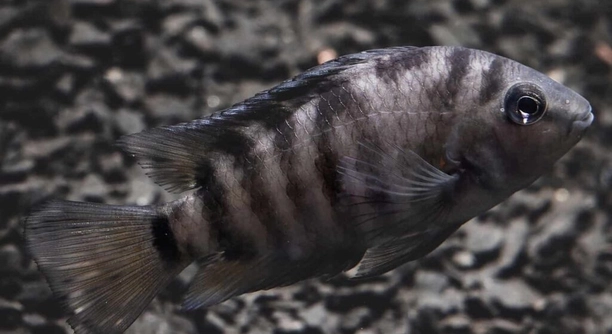
Rearranging territories in a cichlid aquarium can help improve fish behavior and reduce stress. Understanding how to carefully change their space is important for keeping your cichlids healthy and comfortable in their environment. This article offers practical advice for managing their territories effectively.
When rearranging cichlid territories, it is essential to move decorations and hiding spots gradually while monitoring fish reactions closely. Sudden changes may cause aggression or stress, so providing ample space and visual barriers helps maintain stability during the transition.
Knowing the right steps to adjust cichlid spaces can make a big difference in maintaining harmony and well-being within your tank.
Assessing Current Territories Before Making Changes
Before moving anything in your cichlid tank, take time to observe how your fish interact with their current space. Watch where they spend most of their time, which areas cause conflict, and where hiding spots are used. Knowing these details helps you plan changes that will reduce stress. Each cichlid has its own personality and territory needs, so understanding their behavior is key. Take notes or even record short videos to catch details you might miss. Remember, some cichlids are more aggressive, and others prefer quieter corners. By paying attention to these patterns, you can rearrange territories in a way that respects their natural habits and improves the tank’s balance. This preparation can save you from surprises after changes are made and keeps your fish happier in the long run.
Moving slowly and watching fish reactions during rearrangement is very important to avoid stress and aggression.
Making careful observations before rearranging territories allows you to create a tank layout that supports peaceful coexistence. It helps in deciding which decorations or plants to move and where to add new hiding spots. When you know the most contested areas, you can adjust them to give fish enough room to avoid conflict. This approach encourages a smoother transition and lets fish establish new boundaries with less fighting. Patience at this stage also means you’re less likely to cause disruptions that could harm the fish or upset the tank’s ecosystem.
Gradual Rearrangement for Less Stress
Sudden changes can startle cichlids and increase aggression.
To rearrange territories successfully, make changes step-by-step over several days. Move one or two decorations or rocks at a time instead of everything all at once. This slow approach helps fish adjust without feeling their entire space has been taken away. After each change, watch how the cichlids react. If you see increased aggression or hiding, pause before making more changes. Adding new plants or rocks as visual barriers can reduce line-of-sight confrontations. It’s also helpful to introduce new hiding places to give shy fish safe spots. Small, careful changes keep stress low and encourage fish to explore their new territory peacefully. This method ensures a healthier and calmer aquarium environment for everyone involved.
Providing Enough Hiding Spots
Cichlids need plenty of hiding spots to feel secure and reduce aggression. Rocks, caves, and plants create safe areas for them to escape or rest.
Adding multiple hiding places breaks up the tank visually, helping fish claim their own spaces. This reduces direct contact between aggressive and shy fish. Use a mix of natural and artificial decorations to provide variety. Arranging hiding spots in different tank levels encourages movement and exploration. When cichlids have places to retreat, fights over territory often decrease. It also helps fish recover quickly if they feel stressed or threatened.
Position hiding spots near open swimming areas so fish can retreat easily without feeling trapped. Change hiding spots occasionally to encourage natural behavior and keep the environment interesting. Proper hiding areas help maintain balance, especially in tanks with several territorial cichlids competing for space.
Monitoring Fish Behavior Regularly
Watching fish behavior daily is key to spotting early signs of stress or aggression. Look for changes in swimming patterns, color, or appetite.
Regular checks allow you to catch problems before they escalate. Notice if certain fish are being chased or isolated, which may signal territorial disputes. Keeping a close eye lets you decide if adjustments are needed in the tank setup or territory arrangement. Observing behavior also helps track how fish respond to recent changes, guiding your next steps. Consistent monitoring is one of the best ways to maintain a healthy and peaceful cichlid community. It shows you care about their well-being and helps prevent serious conflicts.
If aggression increases, consider separating the most aggressive individuals temporarily. Sometimes rearranging territories further or adding more barriers can restore calm. Taking prompt action protects all fish and keeps your tank balanced.
Using Visual Barriers Effectively
Visual barriers help reduce aggressive encounters by breaking the line of sight between cichlids. Rocks, plants, and decorations work well for this purpose.
Placing barriers strategically gives fish their own space, lowering stress and competition. This technique supports peaceful territory boundaries and helps shy fish feel safer in the tank.
Avoid Overcrowding the Tank
Too many fish in one tank increases territorial disputes and stress levels. Each cichlid needs enough space to claim its own territory without constant confrontation.
Keeping the population balanced prevents overcrowding and allows natural behaviors to unfold. A properly stocked tank leads to a healthier and calmer environment for your fish.
Feeding to Reduce Aggression
Providing consistent and adequate feeding can reduce territorial aggression. Well-fed cichlids are less likely to fight over food or space.
Regular Maintenance Is Important
Maintaining clean water and stable tank conditions supports fish health and behavior. Regular water changes and filter cleaning prevent stress that can worsen territorial issues.
FAQ
How do I know when it’s the right time to rearrange cichlid territories?
You should consider rearranging territories if you notice increased aggression, frequent chasing, or stress signs like hiding and color fading. If your cichlids seem uncomfortable or fights become constant, it’s a sign that the current layout isn’t working well. Regular observation helps you decide when changes are necessary to restore balance.
Can I rearrange territories without stressing my cichlids?
Yes, but it requires patience. Make small changes gradually over several days or weeks. Avoid moving everything at once. Observe how your fish react after each change. If aggression rises or fish hide too much, pause and allow them to adjust. Using visual barriers and adding new hiding spots can help ease stress.
What decorations work best for creating territories?
Rocks, caves, driftwood, and plants are excellent for defining territories. They provide hiding places and break up open spaces. Natural decorations help fish feel secure and reduce direct lines of sight, which lowers aggression. Mixing tall plants with solid structures gives variety and multiple shelter options.
How many hiding spots should I provide?
It depends on the number of fish, but a good rule is at least one hiding spot per fish. This helps reduce competition and gives shy fish places to retreat. Spread hiding spots evenly to avoid crowding and allow fish to establish separate areas comfortably.
Will rearranging territories help if my tank is overcrowded?
Rearranging can reduce some aggression, but overcrowding is a bigger issue. Too many fish in a limited space increase stress and fights. It’s better to keep the tank stocked properly based on its size and filtration capacity. If overcrowding is severe, removing some fish or upgrading the tank size might be necessary.
How often should I rearrange territories?
Frequent rearranging isn’t recommended. Most cichlids prefer stable environments. Rearranging should only happen when needed, like after aggression problems or adding new fish. Too much change can stress your cichlids. When you do rearrange, do it slowly and thoughtfully.
What signs show that rearranging helped?
Reduced chasing and aggression, more peaceful swimming, and fish using their new hiding spots are good signs. Color returning to normal and consistent eating habits also show that the fish are comfortable. Watching your cichlids settle into new spaces calmly means your rearrangement was successful.
Can rearranging territories fix bullying behavior?
It can help by giving bullied fish more places to hide and separating aggressive fish visually. Sometimes, changing the layout breaks up established dominance patterns. However, severe bullying might require separating certain fish or reconsidering the tank setup entirely.
Is it necessary to quarantine new decorations before rearranging?
Yes, it’s a good practice to clean and quarantine new decorations to avoid introducing harmful bacteria or parasites. Rinse decorations thoroughly and soak them if needed. This protects your fish from infections during any tank changes.
How do I introduce new hiding spots without upsetting the fish?
Add new hiding spots slowly, ideally during feeding times when fish are distracted. Place them in quieter areas first and observe how fish respond. Avoid sudden large additions. Gradual changes help fish accept new spaces without stress.
What should I do if aggression spikes after rearranging?
If aggression increases, pause further changes and give fish time to settle. You can add more visual barriers or hiding spots to reduce confrontations. In some cases, temporarily separating the most aggressive fish may be necessary until the tank calms down.
Are some cichlid species more sensitive to territory changes?
Yes, some species like Mbuna cichlids tend to be more territorial and aggressive, so changes need to be extra cautious. Other species may tolerate rearrangements better. Knowing your cichlid species’ behavior helps plan changes that suit their temperament.
How does tank size affect territory rearranging?
Larger tanks allow more flexibility in rearranging because fish have more space to spread out. Smaller tanks require careful planning to avoid overcrowding and increased stress. In small tanks, even minor changes can greatly affect fish behavior.
Can rearranging territories improve breeding success?
Yes, providing well-defined territories and enough hiding spots can encourage breeding. Fish feel safer and more comfortable to build nests or care for fry when their environment feels secure. Rearranging with breeding in mind can support this process.
What tools or equipment help with rearranging territories?
Use aquarium-safe gloves, nets, and containers to move decorations safely. A good light source helps you see fish behavior clearly. Keep water parameters stable during changes with water conditioners and test kits to avoid additional stress.
Rearranging cichlid territories can be a helpful way to improve the overall environment in your aquarium. When done carefully, it can reduce aggression, lower stress levels, and help your fish feel more comfortable. Each cichlid has its own personality and space needs, so paying attention to how they use their tank is important. Making small changes slowly allows the fish to adjust without causing too much disturbance. It’s better to be patient and observe their reactions than to rush the process and risk upsetting the balance in the tank.
Providing enough hiding spots and visual barriers is key when rearranging territories. These elements give fish places to retreat and break up open swimming areas, which helps reduce conflicts. Rocks, plants, caves, and decorations all work well to create safe spaces. When your fish have places to hide, they feel safer and less stressed. This makes the aquarium more peaceful and enjoyable to watch. Regularly checking on how your fish interact with these spaces helps you decide if further adjustments are needed.
Keeping a close eye on your cichlids’ behavior after rearranging is important. Look for signs like less chasing, calmer swimming, and normal eating habits. If aggression increases, it may be necessary to pause changes or add more hiding spots. Sometimes, separating the most aggressive fish temporarily can help restore calm. Remember that maintaining good water quality and a proper tank size also plays a big role in how well your fish handle territory changes. With patience and careful planning, rearranging cichlid territories can lead to a healthier and more balanced aquarium.

Hello,
If you enjoy the content that we create, please consider saying a "Thank You!" by leaving a tip.
Every little bit helps us continue crafting quality advice that supports the health, happiness, and well-being of pets around the world, for pets of all shapes, sizes, and species.
We really appreciate the kindness and support that you show us!