
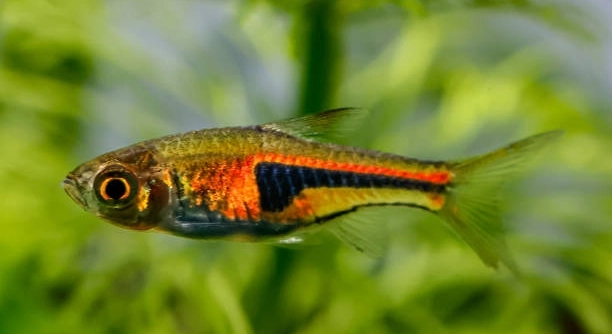
Are your rasboras experiencing temperature swings in their tank? Sudden changes can stress these delicate fish and affect their health. Maintaining a stable environment is key to keeping your rasbora happy and thriving in your aquarium.
Temperature fluctuations in a rasbora tank can cause stress, weaken immune response, and disrupt normal behavior. Consistent water temperature within the recommended range is essential for their wellbeing and to prevent illness caused by sudden environmental changes.
Managing tank temperature can be challenging, but simple adjustments can protect your fish and improve their comfort. The tips ahead will help you create a steady environment for your rasboras.
Understanding Temperature Sensitivity in Rasboras
Rasboras are tropical fish that prefer stable, warm water conditions. They thrive best between 72°F and 78°F (22°C to 26°C). Even small temperature swings outside this range can cause stress, making them more vulnerable to disease. Their delicate nature means that sudden drops or spikes in temperature affect their metabolism and behavior. Fish might become less active, stop eating, or hide more often. Consistent temperature is crucial because rasboras come from calm, stable environments in the wild. Replicating this helps maintain their health and vibrant colors. Monitoring your tank’s temperature regularly ensures it stays within the ideal range. Using reliable heaters and avoiding placement near windows or vents will reduce unwanted fluctuations. Being mindful of these factors creates a safer habitat for your rasboras and promotes their long-term wellbeing.
Sudden temperature shifts cause noticeable stress in rasboras, making temperature control an essential part of tank management.
Adjusting your setup to maintain steady warmth can improve your fish’s health. Simple changes, like insulating your tank or upgrading equipment, help prevent harmful swings. Ensuring the heater is appropriate for your tank size and has a reliable thermostat will keep conditions stable. Avoid placing the tank where room temperature varies widely, such as near air conditioners or heaters. Using a thermometer to check water temperature multiple times a day helps catch issues early. If your area experiences cold nights, a tank cover or background insulation can reduce heat loss. These measures keep the environment comfortable for your fish and prevent stress-related problems that affect their lifespan.
Tips for Preventing Temperature Swings
Maintaining a stable tank temperature means controlling both the heater and the surrounding environment.
A high-quality heater with a built-in thermostat is essential for preventing swings. Choose one that fits your tank size and has accurate temperature settings. Avoid cheap models that often fail to regulate temperature consistently. Placing the heater near a water flow source helps spread heat evenly throughout the tank. It is important to test the temperature regularly with a separate thermometer to ensure accuracy. Additionally, position your tank away from windows or drafts where room temperature changes drastically. Using an insulated tank cover can reduce heat loss during colder hours. Regular equipment maintenance, like cleaning and checking cords, prevents malfunctions that cause fluctuations. Making these small changes ensures your rasboras enjoy a steady, comfortable habitat. Stable temperatures reduce stress, supporting healthy behavior and longevity. Prioritizing temperature stability is a simple but effective way to improve your aquarium’s environment.
Using a Reliable Thermometer
A reliable thermometer is crucial for monitoring your tank’s temperature accurately. It helps catch changes before they harm your rasboras.
There are several types of thermometers to choose from, including digital, stick-on, and floating models. Digital thermometers provide quick and precise readings, making them a popular choice. Stick-on thermometers attach to the outside of the tank, offering constant monitoring without disturbing the water. Floating thermometers can move freely inside but may be less accurate depending on placement. Using two types can give added confidence in readings. Regularly checking and calibrating your thermometer ensures it stays accurate over time.
Keeping an eye on temperature variations with a dependable thermometer allows you to act promptly. This helps avoid sudden stress or illness in your fish caused by unnoticed swings. Consistency in readings supports better tank management and a healthier environment for your rasboras.
Avoiding Room Temperature Fluctuations
Room temperature changes directly affect your tank’s water temperature, so it’s important to control this. Avoid placing your tank near air conditioners, heaters, or drafty windows where temperature shifts are frequent.
If your room experiences large daily temperature swings, consider insulating the tank. Using a tank cover or placing insulation behind the tank reduces heat loss. Keeping the tank in a more stable area of your home, away from direct sunlight, also helps. These steps minimize the impact of external temperature changes. Maintaining a consistent room temperature supports your heater’s work and keeps your rasboras safe and comfortable.
Regular Heater Maintenance
Regularly checking your heater ensures it works properly and avoids temperature swings. Clean any buildup and inspect for damage.
Test the heater’s thermostat periodically to confirm it maintains the set temperature. Replace faulty heaters immediately to protect your fish.
Gradual Temperature Changes
Sudden temperature changes shock rasboras and should be avoided. Always adjust the temperature slowly, about 1°F per hour.
This helps fish acclimate without stress and keeps their immune system strong.
Using Aquarium Heaters with Thermostats
Heaters with built-in thermostats provide consistent temperature control by turning on and off automatically.
They help maintain a stable environment without constant manual adjustment, reducing the risk of dangerous temperature swings.
Keeping Backup Equipment Ready
Having a backup heater or thermometer ready prevents unexpected issues during equipment failure.
This ensures your rasboras stay safe and comfortable if your main equipment stops working.
FAQ
How do temperature swings affect rasboras?
Temperature swings can cause stress in rasboras, weakening their immune system and making them more prone to illness. Sudden drops or rises in water temperature disrupt their metabolism, leading to lethargy, loss of appetite, and increased hiding. Consistent temperature is important to maintain their health and normal behavior.
What is the ideal temperature range for a rasbora tank?
The ideal range for rasboras is between 72°F and 78°F (22°C to 26°C). Staying within this range helps keep their metabolism steady and reduces stress. Temperatures outside this range can cause discomfort and health problems.
How often should I check my tank’s temperature?
Checking your tank temperature at least twice a day is a good practice. Morning and evening checks help catch any sudden changes early. Using a reliable thermometer simplifies this process and helps keep your fish safe.
Can a regular room heater or air conditioner cause temperature swings?
Yes, placing your tank near room heaters, air conditioners, or drafty windows can cause frequent temperature changes. These devices affect the room temperature and, consequently, the water temperature. Positioning your tank away from these sources minimizes the problem.
What type of heater is best for preventing temperature swings?
Heaters with built-in thermostats are best for maintaining stable temperatures. They automatically turn on and off to keep the water within the set range. Choosing a heater sized correctly for your tank ensures even heating.
Are thermometer stickers reliable?
Thermometer stickers provide a convenient way to monitor temperature, but they can be less accurate than digital or floating thermometers. Using a sticker in combination with a more precise thermometer gives better confidence in your readings.
How can I prevent temperature drops at night?
Using a tank cover or insulating the tank helps reduce heat loss during colder nights. Additionally, keeping the heater running consistently and avoiding placing the tank near cold drafts prevents sudden temperature drops.
What should I do if my heater breaks?
Have a backup heater ready to install immediately if your main heater fails. This prevents dangerous temperature drops. Regular maintenance and testing of equipment help avoid unexpected failures.
Can temperature swings cause diseases in rasboras?
Yes, temperature swings stress rasboras and weaken their immune defenses. This makes them vulnerable to infections like ich or fungal diseases. Stable water temperature is essential to reduce the risk of illness.
Is it normal for water temperature to fluctuate during water changes?
Water changes can cause brief temperature shifts if the new water is not properly matched to tank temperature. Always prepare replacement water to match the tank’s temperature closely to avoid shocking your fish.
How long does it take for rasboras to recover from temperature stress?
Recovery time varies depending on the severity of the stress and overall tank conditions. Generally, fish begin to improve within a few days if stable conditions are restored quickly. Maintaining proper temperature and water quality speeds recovery.
Can seasonal changes affect my tank’s temperature?
Yes, seasonal temperature changes in your home can affect aquarium water. Colder winters or hotter summers may require adjustments in heating or cooling equipment. Monitoring and adapting to these changes helps keep your tank stable year-round.
What is the safest way to adjust tank temperature?
Adjust tank temperature slowly, no more than 1°F (about 0.5°C) per hour. Sudden changes can shock fish. Gradual adjustments allow rasboras to acclimate comfortably without stress.
How can I tell if my rasboras are stressed from temperature swings?
Signs include erratic swimming, hiding, loss of appetite, faded colors, or gasping at the surface. These behaviors often indicate discomfort caused by temperature instability or poor water quality.
Is it okay to use multiple heaters in one tank?
Using two smaller heaters instead of one large one can provide better heat distribution and backup in case one fails. However, both should have thermostats and be rated for your tank size.
Can temperature swings affect breeding behavior?
Yes, unstable temperatures can interrupt spawning and fry development. Consistent warmth encourages natural breeding behaviors and increases the chance of healthy offspring.
How important is water circulation in managing temperature?
Good water circulation helps distribute heat evenly throughout the tank. It prevents cold or hot spots, reducing stress caused by localized temperature differences. Using a filter or powerhead improves circulation.
Are natural temperature fluctuations in the wild similar to those in tanks?
Natural habitats of rasboras usually have stable temperatures with small daily fluctuations. Large or rapid changes are rare in the wild, so aquarium temperature swings are more stressful for them.
What are common mistakes that lead to temperature swings?
Common errors include using undersized heaters, placing tanks near heat or cold sources, not monitoring temperature regularly, and failing to maintain equipment. Avoiding these mistakes helps maintain a steady environment.
How does temperature affect oxygen levels in the tank?
Warmer water holds less oxygen, so higher temperatures can reduce oxygen availability. Maintaining moderate, stable temperatures ensures sufficient oxygen for your fish’s needs.
Can plants help regulate tank temperature?
While plants can provide shade and some insulation, they have minimal effect on temperature control. Proper heater use and tank placement are more effective for managing temperature swings.
Maintaining stable water temperature is one of the most important factors for keeping rasboras healthy and stress-free. These small fish come from environments where temperature changes are usually slow and small. Sudden shifts in water temperature can disturb their natural balance, affecting their behavior and overall health. By keeping the tank temperature steady within the recommended range, you provide an environment that supports their well-being and vibrant colors. Consistency is key, and even small improvements in how you control temperature can make a big difference for your fish.
Simple steps such as using a quality heater with a thermostat, monitoring temperature with reliable thermometers, and protecting the tank from room temperature fluctuations all work together to reduce temperature swings. Avoiding sudden changes when doing water changes or adjusting equipment also helps keep your rasboras comfortable. Regular equipment maintenance and having backup gear ready can prevent unexpected problems. These practices are straightforward but effective, ensuring your tank remains a safe place where your fish can thrive without unnecessary stress.
Creating a stable environment for your rasboras also supports their long-term health and behavior. Fish that live in steady conditions tend to be more active, eat better, and show their natural colors more vividly. Temperature control is just one piece of tank care, but it plays a large role in preventing diseases related to stress. Taking the time to manage this aspect carefully shows in the happiness and longevity of your rasboras. With proper attention to temperature, your aquarium will be a peaceful, healthy home for your fish.

Hello,
If you enjoy the content that we create, please consider saying a "Thank You!" by leaving a tip.
Every little bit helps us continue crafting quality advice that supports the health, happiness, and well-being of pets around the world, for pets of all shapes, sizes, and species.
We really appreciate the kindness and support that you show us!