
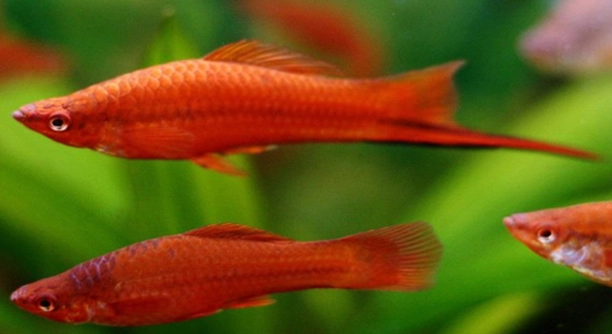
Do you ever find yourself unsure about how to care for baby swordtails after they’re born in your indoor tank? Raising fry can feel overwhelming without the right knowledge and setup to keep them safe and healthy.
The most effective way to raise swordtail fry indoors is to provide a separate nursery tank, maintain clean water conditions, and feed them high-protein foods regularly. These steps support healthy growth and reduce the risk of disease or predation.
There are several important tips that can help you raise strong, vibrant fry and make the process more manageable and successful.
Set Up a Separate Nursery Tank
Keeping swordtail fry in the main tank can lead to problems. Adult fish often eat the fry, and strong currents may stress the little ones. A separate nursery tank keeps them safe and gives you more control over their environment. Use a 5 to 10-gallon tank with a sponge filter. Sponge filters are gentle and won’t suck up fry. Add a heater to keep the temperature stable between 75–80°F. Use live plants or artificial hiding spots to make the fry feel secure. Clean the tank regularly, and check water parameters often. Ammonia and nitrite levels should always be at zero.
A nursery tank makes it easier to watch the fry, feed them properly, and make sure they’re growing well without interference from larger fish.
Keep the nursery tank quiet and consistent. Avoid bright lights or sudden changes. The fry will adjust better and grow faster when things stay calm and predictable.
Feed Them the Right Food
Fry need more food than adult swordtails, and it must be easy for them to eat. Crushed flakes, baby brine shrimp, and powdered fry food work well. Feed them several small meals throughout the day.
High-protein foods are important for proper growth. Baby brine shrimp is one of the best choices because it’s packed with nutrients and easy to digest. You can also use commercial fry powders or crushed flake food. Make sure the particles are small enough for their tiny mouths. It’s better to feed them four or five times a day in small amounts than to overfeed at once. Uneaten food can quickly affect water quality, so clean the tank often. If you’re using live food, rinse it before feeding to keep the tank clean. Over the first few weeks, you’ll start to notice the fry growing stronger and more active with regular feeding.
Keep the Water Clean and Stable
Swordtail fry are sensitive to poor water quality. Even small changes in ammonia or nitrite levels can harm them. Perform regular water changes, about 25% every few days, and use a test kit to monitor the water. Stable conditions help the fry grow stronger and stay healthy.
Use a gentle sponge filter to avoid strong currents and keep the water clean without harming the fry. Make sure the filter is cycled before adding fry. Overfeeding can lead to dirty water, so remove uneaten food quickly. Check the water temperature daily and keep it between 75–80°F. Avoid adding new fish or decorations to the nursery tank during the early stages. Use a turkey baster or siphon to clean up waste at the bottom. Always dechlorinate tap water before using it. Clean and stable water gives the fry a better chance of surviving and developing properly over time.
A consistent maintenance routine helps prevent common fry health issues. If the tank smells bad or looks cloudy, it’s a sign that something is off. Test the water right away and take action. Healthy fry are active, with clear eyes and strong color. Dirty or unstable water can lead to stunted growth and even death.
Avoid Overcrowding
Too many fry in a small tank can cause stress, slower growth, and poor water conditions. If you notice the fry bumping into each other often or struggling to swim freely, it might be time to move some to another tank.
Overcrowding reduces the oxygen available in the water and increases waste buildup. Swordtail fry need enough space to swim and grow properly. If your nursery tank becomes too full, consider setting up an additional tank or giving some fry to other hobbyists. Try to stick to about one fry per gallon to avoid crowding. Adding live plants helps reduce stress by providing hiding spaces, but it doesn’t replace the need for space. Watch for signs like clamped fins or low activity, which may mean the tank is too crowded. Keeping the numbers manageable allows for easier feeding, better water quality, and stronger, healthier fish overall.
Monitor Their Growth Regularly
Keep an eye on how fast the fry are growing. Healthy swordtail fry will become more active, colorful, and slightly larger each week. If some fry aren’t growing, they may need more food or space.
Separate fry that are growing slower. Bigger fry can outcompete them for food and space, making it harder for smaller ones to catch up.
Maintain a Day and Night Cycle
Fry need a regular light cycle to stay healthy. Keep the lights on for 10–12 hours a day, then off at night to mimic natural conditions. Too much light can stress them, while total darkness for long periods may affect feeding and activity. Use a timer for consistency.
Watch for Signs of Illness
If a fry stops swimming or shows white spots, it may be sick. Act quickly to protect the rest of the tank.
FAQ
How long do swordtail fry need to stay in a separate tank?
Swordtail fry should stay in a separate tank for at least 4 to 6 weeks. During this time, they grow stronger and are less likely to get eaten by adult fish. Once they’re too big to fit in an adult’s mouth and are swimming confidently, they can be moved. Before transferring them, make sure the main tank is safe and the water conditions match the nursery tank. Always move them gently, using a soft net or cup, to avoid injury or stress.
Can swordtail fry survive in a community tank?
They can survive, but only if the tank has lots of hiding spots and dense plants. Even then, survival rates are low. Most adult fish, including swordtails, will eat fry if given the chance. If you want more of the fry to live, it’s best to move them to a separate nursery tank right after birth. Use breeding traps only as a short-term option, since they’re small and can stress the fry.
What do swordtail fry eat in the first week?
In the first week, swordtail fry need small, soft foods they can easily digest. Crushed flakes, baby brine shrimp, infusoria, or powdered fry food all work well. Feed them 3 to 5 times a day in tiny amounts. They need frequent meals because of their fast metabolism. Avoid overfeeding—excess food can dirty the water and make them sick. Keeping the food size small is key, especially in the early days when they’re still learning to feed.
How do I clean the fry tank without stressing them?
Use a small siphon or turkey baster to gently remove waste from the tank bottom. Do partial water changes—about 25%—every few days, using dechlorinated, temperature-matched water. Avoid cleaning everything at once. Instead, clean small areas at a time to keep beneficial bacteria alive. Move slowly so you don’t scare the fry, and avoid stirring up debris. A sponge filter also helps keep the tank clean without strong suction.
When can swordtail fry start eating regular flakes?
Once the fry are around 3 to 4 weeks old and have grown noticeably, you can start introducing crushed flakes. Gradually increase the size of the food as they grow. Watch how they eat—if they’re biting and chewing properly, they’re ready for slightly larger pieces. Keep offering a mix of crushed flakes and high-protein options like baby brine shrimp until they reach about an inch in size.
What temperature should I keep the fry tank at?
The ideal temperature range for swordtail fry is between 75°F and 80°F (24°C to 27°C). This range keeps them active, supports digestion, and helps them grow faster. Use a reliable aquarium heater with a built-in thermostat to keep the temperature stable. Sudden drops or spikes can weaken their immune systems and slow down development.
How can I tell male and female fry apart?
You won’t be able to sex them accurately in the first few weeks. Around 4 to 6 weeks of age, males will begin to show a developing gonopodium, a pointed anal fin. Females will have a more rounded anal fin and may appear slightly larger. Color patterns may also become more distinct as they grow. It’s easier to tell the difference as they approach 2 months old.
Final Thoughts
Raising swordtail fry indoors takes time, attention, and a bit of patience. It may feel like a lot in the beginning, but with the right setup and routine, it becomes easier over time. Keeping the fry safe from adult fish, feeding them well, and making sure their tank stays clean are the most important parts of the process. A separate nursery tank really helps you manage all of these things. It gives the fry space to grow without stress or risk, and lets you keep track of their progress more closely.
Feeding them high-protein food several times a day supports steady growth. Baby brine shrimp, crushed flakes, and powdered fry food all give them the energy and nutrients they need in the early stages. At the same time, it’s important to remove leftover food and waste before it affects the water. Clean water is just as important as good food. Regular water changes and gentle cleaning tools make it easier to keep the tank safe. You don’t need fancy equipment—just a heater, a sponge filter, and some simple tools for daily care. Watching the fry grow and change week by week can be a rewarding part of the process.
There’s no need to rush. Each fry develops at its own pace, and the changes may be slow at first. As long as they are active, eating well, and have room to grow, you’re on the right path. If some fry grow slower than others, separating them may help. Avoid overcrowding, keep an eye on their health, and maintain a stable environment. Over time, you’ll notice their colors becoming brighter and their behavior more confident. By focusing on the basics—space, food, clean water, and consistency—you can raise strong, healthy swordtails right from the start.

Hello,
If you enjoy the content that we create, please consider saying a "Thank You!" by leaving a tip.
Every little bit helps us continue crafting quality advice that supports the health, happiness, and well-being of pets around the world, for pets of all shapes, sizes, and species.
We really appreciate the kindness and support that you show us!