
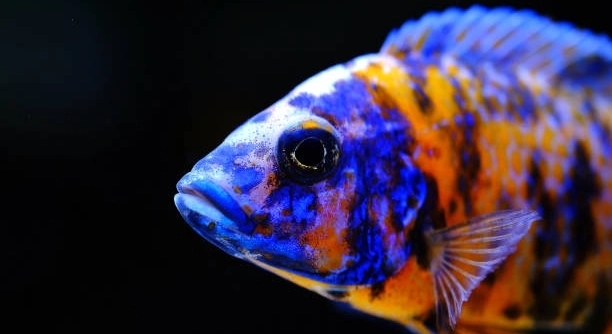
Raising convict fry can be a rewarding experience for any aquarium enthusiast. These small, striped fish require attentive care and the right environment to thrive, ensuring they grow strong and healthy in your home aquarium.
Providing proper water conditions, balanced nutrition, and consistent monitoring is essential for convict fry development. Maintaining stable temperature, clean tanks, and appropriate feeding schedules reduces stress, prevents disease, and supports healthy growth, ultimately improving survival rates and overall well-being of the fry.
Following these tips will help your convict fry grow into vibrant, healthy fish, creating a more balanced and enjoyable aquarium environment for everyone.
Preparing the Tank for Convict Fry
Setting up the tank properly is the first step in raising healthy convict fry. A small, separate tank is ideal to prevent adult fish from eating the fry. Keep the water temperature between 78 and 82°F, which supports steady growth. Use a gentle filter to maintain water circulation without harming the fry. Substrate should be smooth to avoid injuries, and hiding spots like small plants or rocks help fry feel secure. Regular water changes are essential to keep the environment clean and prevent harmful bacteria from developing. Monitoring pH levels and keeping them stable around 6.5 to 7.5 helps maintain proper water chemistry. Avoid sudden changes in the tank, as fry are very sensitive to stress. Introducing fry gradually to new surroundings improves their chances of survival. Observation is key during the first few weeks, ensuring all fry are eating and moving normally without signs of illness or stress.
A properly prepared tank increases survival rates and ensures fry can grow safely without constant intervention.
Healthy tank preparation creates a stable and safe environment that allows convict fry to grow quickly while reducing disease risks.
Feeding Convict Fry
Feeding the fry small amounts frequently is crucial. They require finely crushed flakes or specialized fry food.
Start feeding 3 to 4 times daily with small portions to prevent overfeeding. Fry need nutrient-rich food to support rapid growth and maintain energy levels.
Initially, freshly hatched brine shrimp or microworms are ideal because they are easy to digest and highly nutritious. Gradually introduce powdered fish food as fry grow. Feeding too much can foul the water, increasing the risk of illness, so careful portion control is necessary. Observe the fry during feeding to ensure all are eating; weaker fry may need extra attention to get sufficient nutrition. Removing uneaten food promptly helps maintain water quality. By establishing a consistent feeding routine, you support both growth and health, while minimizing stress on the fry. Over time, the fry will learn to feed on regular fish food, preparing them for life in the main tank. This approach ensures that all fry develop evenly and reduces competition among siblings.
Maintaining Water Quality
Regular water changes are essential to keep the tank clean. Remove about 20% of the water weekly to prevent waste buildup.
Monitoring water parameters like ammonia, nitrite, and nitrate is important. High levels can harm fry quickly. Use a reliable test kit and adjust conditions promptly. Avoid overcrowding, as too many fry can spike toxins, stressing the fish and slowing growth. Keep the filter clean but gentle, ensuring it does not suck up fry. Observing the fry daily helps spot water-related issues early. Clear water encourages active feeding and steady development.
Consistency is key. Avoid sudden changes in temperature or pH, as fry are sensitive. Even small fluctuations can cause stress or illness. Aeration supports oxygen levels, especially in warmer water. Combining regular monitoring with careful water changes ensures a safe environment. Using dechlorinated water prevents chemical exposure, and gentle filtration maintains circulation without disturbing fry. These steps together create a stable setting that allows fry to grow healthily and minimizes mortality risks.
Providing Hiding Places
Hiding spots reduce stress and improve fry survival. Plants, rocks, or small structures give fry safe areas.
Fry feel vulnerable in open spaces, so creating hiding places encourages exploration and reduces panic. Dense plants or fine-leaved greenery work best, offering protection while allowing swimming space. Rocks or small caves simulate natural conditions, giving fry a sense of security. Changing decorations should be minimal to avoid sudden stress. Observing fry behavior helps determine if hiding spots are sufficient.
These shelters not only protect fry from potential aggression but also support natural behaviors. Fry use hiding areas to rest and avoid stronger siblings. They provide shade and reduce light stress, which helps maintain calm activity levels. Combining plants, rocks, and caves ensures variety, giving fry options based on their size and comfort. As fry grow, adjust hiding spaces to accommodate their development while maintaining sufficient cover for smaller or weaker individuals. This balance between open swimming areas and secure shelters promotes healthy growth and minimizes mortality.
Controlling Temperature
Maintaining a stable temperature is critical for fry development. Keep water between 78 and 82°F, as fluctuations can cause stress or slow growth.
Use a reliable heater and thermometer to monitor the tank consistently. Sudden drops or spikes in temperature can weaken fry and make them more susceptible to disease.
Monitoring Growth
Track fry growth regularly to ensure they are developing properly. Uneven growth may indicate feeding or water quality issues. Observing size differences helps identify weaker fry needing extra care. Regular monitoring supports timely adjustments in feeding, water changes, or tank setup to promote uniform, healthy growth.
Preventing Disease
Keep the tank clean and avoid overcrowding. Healthy water and proper nutrition reduce the risk of infections in fry.
Gradual Introduction to Main Tank
Introduce fry slowly to the main tank once they are large enough. Sudden transfers can shock them. Use a quarantine or acclimation process to minimize stress and allow them to adjust safely.
FAQ
How often should I feed convict fry?
Fry require small, frequent meals to support rapid growth. Feed them 3 to 4 times daily with finely crushed flakes, powdered food, or freshly hatched brine shrimp. Ensure portions are small to prevent leftover food from fouling the water, which can stress the fry and increase disease risk. Observing them during feeding helps identify weaker fry needing extra attention.
What water conditions are best for convict fry?
Stable water is critical. Maintain a temperature between 78 and 82°F and a pH of 6.5 to 7.5. Ammonia and nitrite should remain at zero, while nitrates should be minimal. Use a gentle filter to provide circulation without harming fry. Regular water changes of about 20% weekly help keep the tank clean. Avoid sudden changes, as fry are sensitive to stress from fluctuating water conditions.
How can I prevent adult fish from harming fry?
Separating fry in a nursery or breeder box is the safest approach. Adult convict cichlids may eat fry if left together. Adding dense plants or small hiding spots gives fry protection. Observe interactions carefully and avoid overcrowding. Once fry grow larger and stronger, they can gradually be reintroduced to the main tank with minimal risk.
What should I feed fry in the first week?
During the first week, use freshly hatched brine shrimp or microworms. These foods are easy to digest and rich in nutrients. Feed small amounts multiple times daily, ensuring all fry get access. Uneaten food should be removed quickly to maintain water quality. Gradually introduce powdered or finely crushed fish food as fry grow.
How can I tell if fry are healthy?
Healthy fry swim actively, respond to food, and display normal coloration and body shape. Weak or sick fry may stay at the bottom, have clamped fins, or show slowed movement. Regular observation and proper feeding, along with clean water and stable conditions, help maintain health. Early detection of problems allows corrective measures before illness spreads.
When can fry be moved to the main tank?
Fry can be moved once they are strong enough to compete for food and swim confidently, usually around 6 to 8 weeks. Introduce them gradually through acclimation or a quarantine process. Sudden transfer can shock fry, increasing mortality. Monitor them closely after transfer to ensure they adapt well and continue growing.
How do I prevent disease in fry?
Clean water and proper nutrition are key. Avoid overcrowding and overfeeding, which can cause stress and poor water quality. Quarantine new fish or plants before introducing them. Monitor fry daily for signs of illness like abnormal swimming, spots, or clamped fins. Prompt intervention, such as adjusting water parameters or separating sick fry, helps reduce disease spread.
Are plants necessary in the fry tank?
Plants are not strictly required but are highly beneficial. They provide hiding spots, reduce stress, and help maintain water quality by absorbing excess nutrients. Fine-leaved plants or moss work best for small fry. Avoid sudden changes or excessive pruning, which can stress the fry. Plants also encourage natural behaviors and create a safer, more comfortable environment.
What is the best way to acclimate fry to new water?
Acclimation should be slow and gradual. Float the fry in a container within the new tank to equalize temperature. Add small amounts of tank water to the container over 30 to 60 minutes to gradually adjust water chemistry. Avoid rushing the process, as rapid changes can shock fry and increase mortality risk.
How can I ensure even growth among fry?
Feed in small, frequent portions and provide multiple feeding areas to reduce competition. Observe fry to identify weaker individuals and offer extra food if needed. Maintain stable water quality and avoid overcrowding, which can create stress and uneven growth. Proper tank setup and careful monitoring promote uniform development across all fry.
What are common signs of stress in convict fry?
Signs include erratic swimming, clamped fins, loss of appetite, and hiding excessively. Stress is often caused by poor water quality, sudden temperature changes, or overcrowding. Identifying stress early allows quick corrective actions such as water adjustments, additional hiding spots, or separating aggressive siblings. Reducing stress is essential for healthy growth.
Can I mix fry with other species?
It is not recommended until fry are large enough to avoid predation. Even small tankmates can injure or outcompete fry for food. If mixing is necessary, choose non-aggressive species and provide ample hiding spots. Monitoring interactions closely ensures fry are not stressed or harmed while adapting to a shared environment.
How do I clean the fry tank without harming them?
Use gentle siphoning to remove debris and avoid disturbing fry. Avoid strong currents from filters or hoses. Partial water changes of 20% weekly are sufficient. Remove uneaten food promptly. Keep cleaning minimal but consistent, ensuring fry remain safe and the water stays healthy.
How long does it take for convict fry to grow fully?
Growth rates vary based on water quality, food, and care. Typically, fry reach juvenile size within 6 to 8 weeks. Consistent feeding, stable temperature, and proper tank maintenance support faster, healthier development. Patience and careful observation during this period are essential for successful growth.
Is it necessary to use a separate fry tank?
While not absolutely required, a separate fry tank greatly improves survival rates. It protects fry from adult fish, allows better monitoring, and helps maintain stable water conditions. Using a dedicated space also simplifies feeding, cleaning, and care, making it easier to manage fry health and growth efficiently.
Raising convict fry requires attention, patience, and consistency. Providing a stable environment is one of the most important factors in ensuring their growth and survival. Proper water conditions, including temperature, pH, and cleanliness, create a foundation for healthy development. A small, dedicated tank or nursery helps protect the fry from adult fish, giving them space to feed and grow without stress. Using gentle filtration and monitoring water quality regularly ensures that the environment remains safe. Even small adjustments, like partial water changes or careful cleaning, can make a significant difference in fry health. Over time, these consistent practices reduce the risk of illness and support steady growth. Observing the fry daily allows for early detection of problems, such as uneven growth, weak behavior, or signs of disease, so corrective measures can be taken before issues escalate.
Feeding plays a critical role in the development of convict fry. Young fry require frequent, small meals of finely crushed flakes, powdered fish food, or live foods like brine shrimp and microworms. Proper portion control is essential, as overfeeding can foul the water and stress the fry. Providing high-quality, nutrient-rich food supports rapid growth and strengthens the fry’s immune system. Feeding multiple times a day ensures all fry get access to food and reduces competition among siblings. As fry grow, gradually introducing different types of food prepares them for life in the main tank. Regular observation during feeding helps identify weaker fry that may need extra attention. Over time, a well-planned feeding routine promotes uniform growth, reduces stress, and minimizes mortality, allowing the fry to thrive in a controlled and supportive environment.
Providing hiding places and maintaining low-stress conditions further support healthy fry development. Plants, rocks, or small structures create safe spaces where fry can rest and avoid aggression from stronger siblings. Reducing stress also improves feeding behavior, growth rates, and overall activity. Monitoring growth and behavior helps guide decisions about tank setup, hiding spots, and feeding routines. Gradual acclimation when moving fry to the main tank ensures they adjust without shock, reducing the risk of mortality. Consistency in temperature, water quality, and care allows fry to develop evenly and remain healthy. By combining proper feeding, water management, shelter, and observation, raising convict fry becomes a manageable process. With patience and careful attention, these small fish can grow into strong, healthy adults, making the effort of raising them both rewarding and successful.

Hello,
If you enjoy the content that we create, please consider saying a "Thank You!" by leaving a tip.
Every little bit helps us continue crafting quality advice that supports the health, happiness, and well-being of pets around the world, for pets of all shapes, sizes, and species.
We really appreciate the kindness and support that you show us!