
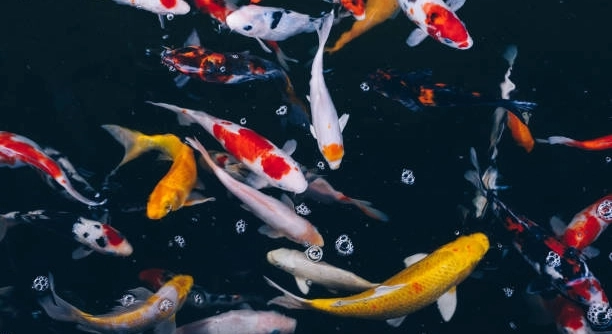
Raising butterfly koi can be a rewarding experience for any fish enthusiast. These beautiful fish require special care to thrive and show their full elegance. Understanding their unique needs is key to successful koi keeping.
To raise butterfly koi successfully, maintaining clean water, providing balanced nutrition, ensuring proper pond size, and protecting them from predators are essential. Regular monitoring of health and environment helps support their growth and vibrant appearance.
Knowing these fundamentals will improve your koi’s well-being and enjoyment. With a few simple tips, you can create a healthy, beautiful pond for your butterfly koi to flourish.
Choosing the Right Pond Size and Setup
Butterfly koi need plenty of space to swim comfortably. A pond that is too small can stress the fish and stunt their growth. Ideally, the pond should be at least 1,000 gallons with a depth of 3 feet or more. This size helps keep water temperature stable and provides room for the koi to move freely. Proper filtration is also important to maintain clean water. A good filter removes waste and helps balance the pond’s ecosystem. Adding plants can provide shade and natural hiding places, which reduce stress for the fish. Avoid overcrowding by limiting the number of koi based on the pond size. This will improve oxygen levels and keep the water cleaner. Proper pond setup is the foundation for healthy, vibrant butterfly koi.
A well-sized, clean pond with good filtration creates the best environment for your butterfly koi’s health and growth.
Having the right pond size supports the koi’s well-being, reduces disease risk, and enhances their natural behavior. It also makes maintenance easier, allowing you to enjoy your pond without constant worry.
Feeding Butterfly Koi Properly
Feeding butterfly koi the right diet is crucial for their development. They need high-quality koi pellets that float, allowing them to eat easily at the surface. These pellets should contain a balanced mix of protein, fats, and vitamins to promote vibrant colors and strong immune systems. Overfeeding can pollute the water, so feed small amounts two to three times daily. Remove any leftover food to prevent decay. Seasonal changes affect feeding needs; reduce feeding during colder months when koi metabolism slows down. Occasionally supplement their diet with treats like vegetables or live foods to add variety and nutrients. Consistent, appropriate feeding habits will keep your butterfly koi healthy and energetic throughout the year.
Proper feeding maintains your koi’s energy and color, helping them grow steadily without harming the pond environment. Regular observation during feeding times also allows early detection of health issues.
Maintaining Clean Water Quality
Keeping water clean is essential for butterfly koi health. Regular testing helps monitor key factors like pH, ammonia, and nitrite levels.
Filtration systems remove debris and harmful substances from the pond water. Biological filters encourage beneficial bacteria that break down waste. It’s important to clean filters regularly without disturbing the bacteria too much. Partial water changes every one to two weeks help maintain water quality. Avoid adding too many chemicals or harsh cleaners, which can harm the fish. Proper aeration through pumps or waterfalls keeps oxygen levels high, supporting fish respiration. Monitoring and maintaining water quality reduces stress and prevents disease, ensuring your butterfly koi thrive.
Algae growth can also impact water quality. Controlling sunlight exposure and adding aquatic plants can limit algae blooms, keeping the pond balanced. Clean water helps koi show their best colors and stay active.
Protecting Butterfly Koi from Predators
Predators like birds, raccoons, and cats can threaten butterfly koi. Netting or pond covers are effective ways to keep predators away.
Adding deep hiding spots such as large plants or underwater shelters gives koi places to escape danger. Motion-activated lights or sprinklers can discourage nighttime visits by animals. Keeping the pond area well-lit may also reduce predator activity. If predators are a constant problem, using decoys or ultrasonic repellents could help. Regularly checking for any signs of attacks ensures quick response. Protecting koi from predators reduces stress and injury, making your pond safer.
Physical barriers and environmental design together create a secure habitat. This allows your koi to swim freely without fear. Consistent protection strategies help maintain a healthy koi population.
Monitoring Koi Health Regularly
Watching your koi daily helps catch health problems early. Look for changes in behavior, appetite, or appearance.
Early detection of illness leads to better treatment success. Keep a log of any unusual signs to track patterns over time.
Managing Temperature Changes
Butterfly koi are sensitive to sudden temperature shifts. Gradual adjustments help prevent stress. During cold months, use pond heaters or de-icers to maintain safe water temperatures.
Keeping the water temperature stable supports koi metabolism and immune function. Avoid rapid heating or cooling to protect their health.
Avoiding Overcrowding
Too many fish in one pond causes poor water quality and stress. Keep the number of koi suitable for your pond size to promote healthy growth and reduce disease risk.
FAQ
How often should I feed my butterfly koi?
Feeding your butterfly koi two to three times a day in small amounts is ideal. Overfeeding can pollute the water, so it’s best to give them only what they can eat in about five minutes. During colder months, reduce feeding since their metabolism slows down.
What is the best water temperature for butterfly koi?
Butterfly koi thrive in water temperatures between 65°F and 75°F (18°C to 24°C). Temperatures outside this range can cause stress or illness. Using a pond heater or de-icer during winter helps maintain a stable temperature and keeps the fish comfortable.
How do I prevent diseases in my butterfly koi?
Preventing disease starts with clean water and good nutrition. Regularly test water quality and perform partial water changes. Quarantine new fish before adding them to your pond. Keep an eye out for unusual behavior or spots, and treat problems early to avoid spread.
Can butterfly koi live with other fish?
Yes, butterfly koi can live peacefully with other pond fish like goldfish, as long as the pond is large enough. Make sure the other fish have similar water requirements and won’t compete aggressively for food or territory.
Why is my butterfly koi’s color fading?
Color fading often happens due to poor diet, stress, or improper lighting. Feeding a balanced, high-quality diet and maintaining good water conditions can improve color vibrancy. Providing natural sunlight and avoiding overcrowding also helps your koi keep their bright colors.
How big do butterfly koi grow?
Butterfly koi typically grow between 18 to 24 inches in length but can sometimes reach up to 30 inches in optimal conditions. Proper pond size, nutrition, and care affect their growth rate and final size.
Is it necessary to have a pond heater?
A pond heater is recommended if you live in an area with freezing winters. It prevents the water from freezing completely, allowing koi to survive through cold months without harm. It also helps keep their metabolism steady in colder weather.
What should I do if my koi stop eating?
If your koi stop eating, check the water quality first and observe for any signs of illness or stress. Temperature changes can also affect appetite. If everything seems normal, try offering different types of food or live treats to stimulate feeding.
How do I protect my koi from predators?
Use netting or pond covers to keep birds and other animals away. Adding plants and underwater shelters gives koi hiding spots. Motion-activated lights or sprinklers can scare off nighttime predators, and physical barriers provide extra protection.
How often should I clean my pond filters?
Clean pond filters every two to four weeks, depending on the pond size and koi load. Avoid over-cleaning, as beneficial bacteria live in the filters and help break down waste. Rinse filter media gently using pond water rather than tap water.
These common questions cover many key points in keeping butterfly koi healthy and happy. Consistent care and attention ensure your koi thrive in their pond environment.
Final Thoughts
Raising butterfly koi requires careful attention to their environment and daily needs. These fish are beautiful and unique, but they depend on clean water, proper nutrition, and enough space to swim freely. Paying attention to water quality by using filters, doing regular water changes, and testing parameters will help prevent many common problems. A well-maintained pond keeps the fish healthy and allows their colors to shine. Overcrowding should be avoided since it can harm water quality and increase stress on the fish. Making sure your pond is large enough for the number of koi you have is an important step in keeping them thriving.
Feeding your butterfly koi the right food in proper amounts plays a big role in their health. High-quality koi pellets designed for butterfly koi provide essential nutrients that support growth and color. It is best to feed smaller portions multiple times a day rather than giving a large amount all at once. Also, adjusting feeding based on the seasons helps because koi eat less when it’s colder. Overfeeding leads to water pollution and health issues, so it’s important to remove any uneaten food from the pond quickly. Adding variety to their diet with occasional treats like vegetables or live foods can improve their overall well-being.
Protecting your butterfly koi from predators is another key part of successful care. Birds, raccoons, and other animals can cause harm or stress to the fish. Using physical barriers such as pond nets or covers and providing hiding places in the pond are effective ways to keep your koi safe. Keeping the pond environment stable and free from sudden changes, like temperature swings, also supports the fish’s health. Watching your koi regularly for signs of illness or injury lets you respond early to any problems. With consistent care and attention to these details, raising butterfly koi can be a rewarding and enjoyable experience.

Hello,
If you enjoy the content that we create, please consider saying a "Thank You!" by leaving a tip.
Every little bit helps us continue crafting quality advice that supports the health, happiness, and well-being of pets around the world, for pets of all shapes, sizes, and species.
We really appreciate the kindness and support that you show us!