
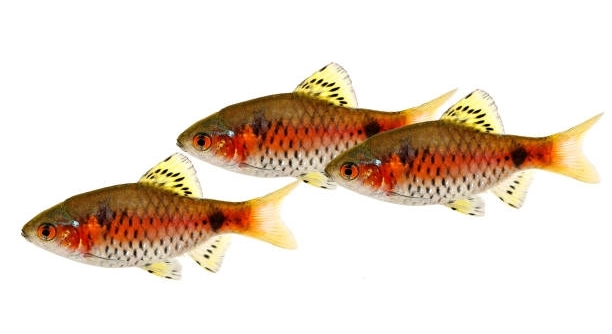
Raising baby Rosy Barbs can be a rewarding experience for fish enthusiasts. These small, colorful fish add charm to any aquarium and require specific care to thrive. Learning the basics will help you provide a healthy environment for them.
Successful raising of baby Rosy Barbs depends on proper water quality, appropriate feeding, maintaining temperature, and ensuring a stress-free habitat. Regular monitoring and gentle handling also contribute to their growth and overall health.
These tips will guide you in creating the best conditions for your baby Rosy Barbs to grow strong and vibrant. Understanding their needs early can make all the difference.
Setting Up the Right Aquarium Environment
Creating a suitable aquarium environment is the first step to raising healthy baby Rosy Barbs. Start with a tank of at least 20 gallons to provide enough space for growth and movement. Keep the water temperature between 74 and 79°F (23 to 26°C), as Rosy Barbs thrive in warm conditions. Use a gentle filter to keep the water clean without causing strong currents that might stress the young fish. The pH level should be maintained around 6.8 to 7.8, which is slightly acidic to neutral. Adding plants and hiding spots gives the babies places to explore and feel secure, which reduces their stress. Regular water changes, about 25% weekly, help maintain good water quality and prevent harmful buildup of waste. These steps create a comfortable environment where baby Rosy Barbs can grow safely.
Good water quality and proper tank setup support healthy growth and reduce the risk of illness in baby Rosy Barbs.
Keeping the tank clean and stable requires regular testing of water parameters like ammonia, nitrites, and nitrates. Monitoring these levels helps prevent dangerous spikes. Introducing live plants not only adds hiding places but also helps absorb excess nutrients, improving water quality naturally. Avoid overcrowding the tank because it increases stress and competition for food. A peaceful environment reduces the chance of disease and encourages active swimming. Adding gentle lighting mimics natural conditions and helps regulate their behavior. Consistency is key; sudden changes in temperature or pH can shock baby Rosy Barbs. With the right setup, they will develop healthy colors and strong bodies over time.
Feeding Baby Rosy Barbs
Feeding baby Rosy Barbs the right food is essential for their growth and health. They need small, frequent meals of high-quality, protein-rich food. Start with finely crushed flakes or powdered fry food designed for small fish. As they grow, introduce live or frozen foods like daphnia, brine shrimp, or bloodworms to provide essential nutrients. Feed small amounts 3 to 4 times a day, ensuring they consume the food quickly to avoid water pollution. Avoid overfeeding, which can cause water quality issues and health problems. Always remove uneaten food promptly.
Proper nutrition boosts the immune system and promotes vibrant colors in baby Rosy Barbs.
When choosing food, look for options rich in vitamins and minerals to support development. Variety in their diet prevents deficiencies and keeps them interested in eating. Live foods also stimulate natural hunting behavior, which can help strengthen their muscles. Maintaining a feeding schedule encourages good digestion and reduces waste buildup in the tank. Watching the baby fish during feeding times helps detect any signs of illness early. Adjust the portion sizes as they grow to prevent leftover food. Balanced feeding habits are key to raising strong and healthy Rosy Barbs.
Monitoring Water Parameters Regularly
Keeping an eye on water parameters is vital for baby Rosy Barbs’ health. Regular checks help prevent harmful changes that could stress or kill them. Use simple test kits for pH, ammonia, nitrite, and nitrate levels to maintain a stable environment.
Testing water at least once a week ensures conditions stay within safe ranges. Ammonia and nitrite should always be at zero because they are toxic even in small amounts. Nitrate should be kept below 20 ppm to avoid long-term health problems. pH should remain steady between 6.8 and 7.8, as sudden shifts can shock the fish. If any level is off, a partial water change can quickly fix the issue. Consistency in water quality reduces disease risks and promotes steady growth in baby Rosy Barbs.
Even small changes in water quality can affect young fish more than adults. Stress from poor water conditions weakens their immune system and makes them more prone to infections. Regular water testing and prompt corrections keep the tank safe and comfortable. Keeping a log of test results helps track trends and identify problems early. Remember that filtration and aeration systems also affect water quality. Cleaning filters regularly and ensuring good water flow prevents toxic buildup. Monitoring water parameters is a simple, effective way to protect baby Rosy Barbs.
Providing Proper Tank Mates
Choosing compatible tank mates is important for baby Rosy Barbs to grow without stress. Avoid aggressive or larger fish that might harm the babies. Peaceful species that share similar water requirements work best.
Ideal tank mates include small tetras, danios, and peaceful livebearers. These fish won’t compete aggressively for food or space and help keep the tank environment calm. Avoid fin-nippers or territorial species, as they can injure or intimidate baby Rosy Barbs. Keep the group size balanced to reduce stress from overcrowding or isolation. A calm, community-style tank encourages healthy behavior and social interaction among the young fish.
Tank mates can also influence water quality and feeding routines. Make sure all species have compatible diets to avoid food competition. Introducing new fish gradually helps prevent outbreaks of disease. Watch interactions carefully in the first few weeks to ensure no bullying occurs. The right companions create a stable and safe environment that supports the growth and well-being of baby Rosy Barbs.
Managing Tank Cleanliness
Keeping the tank clean prevents disease and supports baby Rosy Barbs’ health. Remove uneaten food and debris daily to avoid water contamination. Regular gravel vacuuming helps eliminate waste buildup without disturbing the fish.
Performing partial water changes weekly keeps water fresh and balanced. Avoid deep cleaning that disrupts beneficial bacteria. Maintaining cleanliness reduces stress and promotes healthy growth.
Avoiding Overcrowding
Too many fish in one tank increases stress and competition for resources. Overcrowding leads to poor water quality and stunted growth. Keep the population balanced to ensure each baby Rosy Barb has enough space.
Observing Behavior and Health
Watch baby Rosy Barbs closely for signs of illness or stress. Changes in swimming, appetite, or appearance can signal problems early. Early detection allows quick action to protect their health.
Providing Gentle Lighting
Soft lighting mimics natural conditions and helps baby Rosy Barbs feel secure. Avoid bright or flashing lights that can cause stress or erratic behavior. Gentle lighting supports normal activity and feeding patterns.
FAQ
How often should I feed baby Rosy Barbs?
Feeding baby Rosy Barbs 3 to 4 times a day with small portions is best. They have tiny stomachs and need frequent meals to grow well. Overfeeding can pollute the water, so only offer what they can eat within a few minutes.
What type of food is best for baby Rosy Barbs?
Start with finely crushed flakes or powdered fry food. As they grow, introduce live or frozen foods like brine shrimp, daphnia, or bloodworms. These provide essential proteins and nutrients needed for healthy development and strong coloration.
How important is water temperature?
Water temperature should stay between 74 and 79°F (23 to 26°C). Baby Rosy Barbs are sensitive to sudden changes, so keep the temperature stable. Using a reliable heater and thermometer helps maintain consistent warmth for their comfort and growth.
Can I keep baby Rosy Barbs with other fish?
Yes, but choose peaceful species with similar water needs. Small tetras, danios, and livebearers are good choices. Avoid aggressive or large fish that may harm or stress the babies. Keeping compatible tank mates promotes a calm environment.
How often should I change the water?
Perform a 20 to 25% water change once a week. This removes waste and toxins without disturbing beneficial bacteria. Regular water changes keep the tank clean, reducing stress and disease risks for baby Rosy Barbs.
What signs indicate that a baby Rosy Barb is sick?
Look for changes in swimming behavior, such as lethargy or erratic movements. Loss of appetite, faded colors, or visible spots and sores are also signs. Early detection helps treat issues before they worsen.
How big should the tank be for baby Rosy Barbs?
A minimum of 20 gallons is recommended for raising baby Rosy Barbs. This size provides enough space for swimming and growth while maintaining stable water conditions. Larger tanks are better for groups to reduce stress.
Why is overfeeding harmful?
Overfeeding leads to uneaten food that decomposes, polluting the water. Poor water quality stresses fish and causes diseases. Feeding small amounts that the fish can finish quickly keeps the tank healthy.
Should I use a strong filter?
Use a gentle filter that provides good water circulation without strong currents. Baby Rosy Barbs are sensitive to rough water flow, which can tire or stress them. Proper filtration removes waste and maintains water clarity.
How do I prevent diseases in baby Rosy Barbs?
Maintaining clean water, stable temperature, and a stress-free environment lowers disease risk. Avoid overcrowding and quarantining new fish before adding them helps prevent infections. Regular observation allows early treatment if needed.
Is lighting important for baby Rosy Barbs?
Yes, soft lighting is best. Bright or flashing lights can cause stress and disrupt feeding and swimming behavior. Gentle lighting mimics their natural habitat and supports healthy activity.
Can I use live plants in the tank?
Live plants provide hiding spots and help improve water quality by absorbing nitrates. They create a natural environment that reduces stress and encourages exploration. Just ensure plants are suitable for tropical freshwater tanks.
How do I handle baby Rosy Barbs safely?
Avoid frequent handling as it stresses the fish. Use a soft net when necessary and be gentle to prevent injury. Handling should be limited to tank maintenance or health checks.
What pH level is ideal for baby Rosy Barbs?
Maintain a pH between 6.8 and 7.8. Sudden changes in pH can shock young fish. Testing water regularly and making slow adjustments keeps the environment stable.
Can baby Rosy Barbs live without hiding spots?
Hiding places help reduce stress and provide security. Without them, baby Rosy Barbs may feel exposed and become shy or stressed. Adding plants, rocks, or decorations creates a comfortable habitat.
How fast do baby Rosy Barbs grow?
Growth varies but generally, they develop noticeable color and size within a few weeks. Proper care speeds growth, while poor conditions slow it down. Consistent feeding and clean water are essential.
What should I do if I notice aggression?
Separate aggressive fish immediately to prevent injury. Check for overcrowding or incompatible tank mates. Reducing stress through more hiding places and proper feeding can help calm aggression.
Can I breed Rosy Barbs at home?
Yes, but it requires a separate breeding tank with controlled conditions. Spawning needs soft, slightly acidic water and plenty of plants for egg laying. Raising fry requires careful feeding and water maintenance.
Is it okay to keep only baby Rosy Barbs together?
Keeping just baby Rosy Barbs together is fine as long as the tank is large enough and they receive proper care. Group sizes help social behavior, but overcrowding must be avoided.
How do I introduce new fish to the tank?
Quarantine new fish for at least two weeks to prevent disease spread. Introduce them slowly and observe interactions closely. Proper acclimation reduces stress and aggression.
This FAQ covers common concerns and practical advice for raising baby Rosy Barbs, helping you create a healthy, balanced aquarium.
Raising baby Rosy Barbs requires attention to detail and patience, but the effort is worth it. These fish need a stable environment with clean water, proper temperature, and gentle lighting to feel safe and grow well. Providing good-quality food in small amounts several times a day helps ensure they get the nutrients needed for strong bodies and vibrant colors. Watching their behavior regularly allows you to catch any health problems early, making treatment easier. A well-maintained tank with the right companions keeps stress low and supports healthy growth.
It is important to remember that baby Rosy Barbs are sensitive to sudden changes. Keeping water parameters steady by testing regularly and doing partial water changes is essential. Avoiding overcrowding helps prevent competition for food and space, which can cause stress and slow development. Adding live plants and hiding places offers comfort and mimics their natural habitat. A calm, peaceful tank encourages natural behavior and helps the fish feel secure. Taking these steps creates the best conditions for baby Rosy Barbs to thrive.
With consistent care, baby Rosy Barbs can grow into colorful, healthy adults that bring life to any aquarium. While they may seem delicate at first, their needs are straightforward once you understand them. Keeping their environment stable, feeding them properly, and watching for signs of illness are the keys to success. Raising these fish can be a rewarding experience that adds joy and interest to your tank. By following simple guidelines, you can enjoy watching your Rosy Barbs grow strong and lively over time.

Hello,
If you enjoy the content that we create, please consider saying a "Thank You!" by leaving a tip.
Every little bit helps us continue crafting quality advice that supports the health, happiness, and well-being of pets around the world, for pets of all shapes, sizes, and species.
We really appreciate the kindness and support that you show us!