
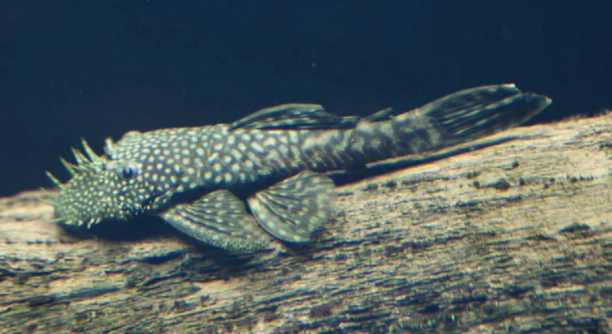
Raising a baby plecostomus at home requires careful attention to their environment and needs. These fish are a popular choice for aquarium enthusiasts due to their beneficial algae-eating habits and unique appearance.
To ensure a healthy and thriving baby plecostomus, provide the proper tank conditions, feeding routine, and water quality. Maintaining appropriate temperatures, water hardness, and regular cleaning will help support their growth and well-being.
With the right care, your baby plecostomus will grow into a healthy and active member of your aquarium.
Setting Up the Right Tank Environment
The first step in raising a baby plecostomus is setting up an appropriate tank. These fish require a tank that is at least 30 gallons in size, as they will grow large over time. It’s essential to have a filter that keeps the water clean and well-oxygenated. Plecos are bottom-dwelling fish, so creating hiding spots with rocks or driftwood will make them feel secure. Regular water changes are necessary to maintain water quality, as plecos can produce a lot of waste. Ideal water temperature should be between 74°F and 80°F.
Having the right setup ensures a stable and healthy environment for the pleco to grow. A stable environment with a proper filtration system is critical in preventing issues like poor water quality, which can harm your fish.
Adding plants to the tank can provide additional hiding places and help maintain water quality. Make sure the plants you choose are hardy and suitable for a plecostomus-friendly environment.
Feeding Your Baby Plecostomus
A baby plecostomus requires a varied diet to thrive. In the beginning, you can offer algae wafers, but you’ll want to supplement with fresh vegetables like zucchini, cucumber, or spinach. These provide essential nutrients and aid in growth. You can also introduce some protein-based food, such as shrimp or bloodworms, once your pleco gets a bit older.
Feeding habits should evolve as they grow. A mix of plant-based and protein-rich foods will keep your pleco healthy and ensure proper development. Regular feeding schedules are key—two to three times a week for a baby pleco is enough. Avoid overfeeding, as uneaten food can spoil and affect water quality.
As your pleco matures, you can adjust their diet to larger foods. The addition of driftwood helps them with their digestion and mimics their natural habitat.
Maintaining Proper Water Quality
Water quality is one of the most critical factors for a healthy plecostomus. Regular water changes are necessary to keep the tank environment stable. Testing the water’s pH, ammonia, nitrite, and nitrate levels ensures they remain within safe ranges. Water should be slightly acidic to neutral, with a pH between 6.5 and 7.5.
A high-quality filtration system helps maintain clear water and removes waste. Plecos produce a lot of debris, so a good filter will reduce the buildup of harmful substances. Make sure the filter is suitable for the tank size and maintain it regularly for optimal performance.
Aeration is also important, as plecos require well-oxygenated water. An air pump or filter with aeration capabilities can help. Keeping the water temperature consistent and monitoring it will help avoid stress. Regular water testing and maintenance ensure a long, healthy life for your plecostomus.
Monitoring Tank Temperature
Maintaining a consistent tank temperature is vital for the health of your plecostomus. They thrive in a range of 74°F to 80°F, and fluctuating temperatures can stress them out. Use a reliable aquarium thermometer to monitor the water’s temperature regularly.
If the temperature dips or rises outside this range, it can weaken the immune system of your pleco. A stable heater will help maintain the ideal temperature. Ensure the heater is placed correctly to avoid overheating, which can cause harm to the fish. Also, placing the tank away from windows or heaters can help avoid temperature swings caused by sunlight or drafts.
Keeping the tank at the right temperature will reduce stress and promote overall health for your plecostomus. Be sure to check the temperature regularly, especially if you live in an area with significant temperature fluctuations.
Tank Size and Space Requirements
Baby plecostomus need plenty of space to thrive. A 30-gallon tank is the minimum for one pleco, but larger tanks are better as they grow. Overcrowding can lead to poor water quality and stress.
Providing enough space for them to explore and hide will help keep them healthy. Plecos are bottom dwellers and enjoy having plenty of room to swim and find places to hide. Having multiple hiding spots, such as rocks or caves, will make your pleco feel secure and reduce stress.
Regular Tank Cleaning
Regular cleaning is key to maintaining a healthy tank. Vacuum the gravel to remove waste and debris. Clean the filter to ensure it works effectively, but be sure not to remove all the beneficial bacteria.
Maintaining cleanliness helps prevent the buildup of harmful substances like ammonia. Aim for cleaning the tank every couple of weeks, but don’t change everything at once. Over-cleaning can disrupt the tank’s balance and harm your plecostomus.
Observing Behavior
It’s important to observe your plecostomus regularly for any signs of illness. Look for changes in behavior such as lethargy, loss of appetite, or erratic swimming. If your pleco is hiding more than usual, this could also signal stress or an issue with their environment.
FAQ
What do baby plecostomus eat?
Baby plecostomus should be fed a mix of algae wafers and fresh vegetables such as zucchini, cucumber, and spinach. Once they grow a bit, you can add protein like shrimp or bloodworms. Ensure that the food is appropriate for their size and digestive system.
How often should I feed my plecostomus?
Feed your plecostomus two to three times a week when they are babies. Overfeeding can cause water pollution, so it’s important to avoid leaving uneaten food in the tank. Adjust their feeding schedule as they grow to ensure they receive enough nutrients.
Can plecostomus live with other fish?
Yes, plecostomus are generally peaceful and can live with most other freshwater fish. However, they should not be kept with aggressive or overly active fish that might stress them out. Plecos are bottom dwellers and usually stay out of the way of other fish.
How long do baby plecostomus live?
With proper care, a plecostomus can live up to 10-15 years. Their lifespan can vary based on water quality, diet, and overall tank conditions. Ensuring their environment is stable will give them the best chance for a long, healthy life.
Do plecostomus need a lot of light?
No, plecostomus do not need intense lighting. They are nocturnal creatures and prefer dim lighting during the day. A natural day-night cycle with moderate light is ideal. Excessive lighting can cause algae blooms, which might overwhelm the tank and create extra maintenance work.
How do I keep my plecostomus tank clean?
Regular tank cleaning is essential. Use a gravel vacuum to remove waste and uneaten food. Clean the filter regularly but avoid cleaning it all at once, as beneficial bacteria in the filter help maintain water quality. Perform partial water changes every two weeks to keep the tank clean.
What is the ideal water temperature for plecostomus?
Plecostomus prefer water temperatures between 74°F and 80°F. Temperatures outside this range can stress them out, so it’s essential to maintain a consistent temperature. Invest in a reliable heater and thermometer to ensure the water stays within the ideal range.
Do plecostomus need a filter?
Yes, plecostomus produce a lot of waste, so a high-quality filter is necessary to keep the water clean and oxygenated. Choose a filter that’s appropriate for the size of your tank. Regular maintenance of the filter is essential for keeping the tank environment stable.
How do I know if my plecostomus is healthy?
A healthy plecostomus will have clear eyes, a strong appetite, and will swim normally. If your pleco starts hiding frequently, loses its appetite, or exhibits abnormal behavior, it may be sick or stressed. Regular observation can help catch health problems early.
Can plecostomus live in a tank with no substrate?
Plecostomus can technically live without substrate, but they prefer it. Having gravel or sand at the bottom of the tank gives them a natural environment and provides opportunities for them to forage. Substrate also helps in maintaining the tank’s biological filtration.
Why is my plecostomus hiding all the time?
Hiding is common behavior for plecostomus, especially if they feel stressed or if the tank environment isn’t ideal. If your pleco is hiding excessively, check the water quality, temperature, and tankmates. Stress from aggression or poor water conditions could be the cause.
Final Thoughts
Raising a baby plecostomus at home can be a rewarding experience with the right care and attention. From setting up an appropriate tank to ensuring proper feeding and water quality, each step is crucial for their growth and well-being. Plecos are hardy fish, but they do need consistent maintenance to thrive. Monitoring water temperature, quality, and maintaining a stable environment will ensure a healthy life for your pleco.
It is important to be patient and observant while raising baby plecostomus. They grow slowly, and their needs may change over time. As they get larger, their diet and tank size requirements will also shift. Understanding these changes and adjusting your care routine accordingly is essential for long-term success. With proper care, your pleco can live a long and healthy life, becoming an interesting and low-maintenance addition to your aquarium.
Taking the time to create a suitable environment and providing the right care will help your plecostomus thrive. Regular cleaning, monitoring their behavior, and providing a varied diet are key steps in ensuring their health. Plecos are generally peaceful and can adapt to many tank setups, making them a good choice for both beginners and experienced fish keepers.

Hello,
If you enjoy the content that we create, please consider saying a "Thank You!" by leaving a tip.
Every little bit helps us continue crafting quality advice that supports the health, happiness, and well-being of pets around the world, for pets of all shapes, sizes, and species.
We really appreciate the kindness and support that you show us!