
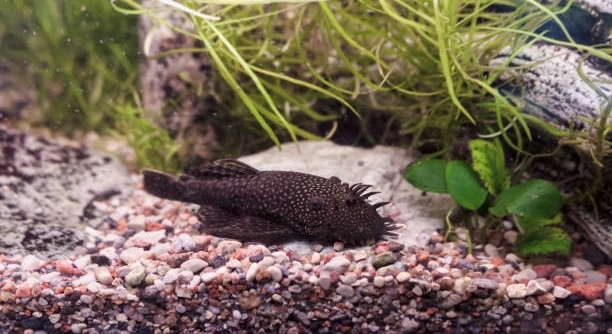
Raising baby plecos in a community tank can be a rewarding experience, but it requires special care and attention. With the right approach, you can help these tiny fish thrive alongside other species.
Raising baby plecos in a community tank involves ensuring proper tank conditions, appropriate diet, and careful monitoring of interactions with other fish. Their sensitive nature requires stable water parameters and a peaceful environment to promote healthy growth and development.
By following simple yet effective strategies, you can create a healthy space for your baby plecos. Proper feeding, tank setup, and social dynamics are essential for their success in a shared aquarium.
Setting Up the Tank for Baby Plecos
When raising baby plecos in a community tank, the setup is essential for their well-being. Start by ensuring your tank is stable, with proper filtration and water conditions. Plecos are sensitive to water changes, so it’s crucial to maintain a consistent temperature between 75°F and 80°F. Additionally, they prefer slightly acidic to neutral water, ideally between pH 6.5 and 7.5. Providing hiding spots like caves or driftwood will help the plecos feel secure and reduce stress. These spaces are particularly important for baby plecos, as they naturally seek shelter.
Even in a community tank, baby plecos need to feel safe. They are shy and can easily get overwhelmed by larger fish. Keeping the tank decorated with plants, rocks, and driftwood will provide enough cover for them to thrive. It’s also important to avoid any aggressive fish species that could disturb their peace. A calm environment allows them to grow without additional stress.
Setting up the right environment ensures healthy plecos. Your efforts in tank preparation will pay off as it helps them grow faster and stronger. A properly set-up tank provides them the security they need to thrive.
Proper Feeding for Baby Plecos
Baby plecos are mostly herbivores, so their diet should consist of algae, vegetables, and occasional protein.
Feeding baby plecos requires more than just providing a variety of food. They often graze on algae, so a tank with algae growth can provide a natural food source. However, supplementing their diet with blanched zucchini, cucumbers, and algae wafers is important. These small fish will also nibble on sinking pellets and offer protein in the form of finely crushed shrimp or worms.
While they do enjoy grazing on natural algae, it’s important to supplement their diet to ensure they receive all the necessary nutrients. Overfeeding is another common mistake. Offering small amounts of food at regular intervals is ideal. This not only prevents water pollution but ensures that the plecos are eating what they need without excess. A good feeding schedule promotes growth and keeps their environment clean. Proper care will ensure they are healthy and growing steadily.
Managing Tank Mates
Choosing the right tank mates is crucial when raising baby plecos. Avoid aggressive or overly active fish that might stress or harm them. Smaller, peaceful species work best.
Plecos are peaceful by nature, but they can easily get intimidated by more aggressive or territorial fish. Fish like bettas, cichlids, and large tetras may harass them, leading to stress or injury. Tank mates such as small rasboras, neon tetras, and other non-aggressive species create a calm environment where plecos can thrive. It’s also helpful to have a larger tank with plenty of space to reduce competition for food and hiding places.
Monitoring interactions between the plecos and their tank mates is important. If you notice any signs of aggression or stress, consider rearranging the tank layout to create more hiding spots or separating aggressive fish. Keeping the peace ensures that all species, including your baby plecos, feel safe and can grow without added stress.
Water Quality and Maintenance
Maintaining excellent water quality is non-negotiable when caring for baby plecos. Regular water changes and proper filtration are essential for their health.
Plecos are highly sensitive to poor water conditions. Ammonia, nitrites, and high nitrate levels can quickly harm their delicate systems. Regular water changes of about 20-30% every week help to maintain a clean and healthy environment. It’s also important to monitor water parameters regularly with a test kit, checking for pH, ammonia, nitrites, and nitrates. Investing in a reliable filter helps keep the water circulating and removes waste.
Good water quality not only supports the health of plecos but also benefits all the species in the tank. A filter with both mechanical and biological filtration will remove waste and ensure that beneficial bacteria thrive, balancing the water. Over time, you’ll see that the more consistent you are with water quality, the faster your plecos will grow and thrive.
Monitoring Growth and Development
Baby plecos grow quickly when provided with the right care. Keep an eye on their size and behavior to ensure they’re thriving.
It’s important to regularly observe their growth rate and overall health. Plecos should become noticeably bigger within a few weeks of care. If they’re not growing, check their diet, water conditions, and tank mates for any issues. Keeping track of their development helps ensure they’re healthy and adjusting well to their environment.
Consistent monitoring of their growth also helps you identify any potential problems early on. Pay attention to any signs of illness, such as abnormal swimming patterns, loss of appetite, or discoloration. Catching issues early can prevent more serious complications.
Handling Baby Plecos Carefully
Handling baby plecos should be minimal to avoid causing them stress or injury.
If you need to move them for any reason, always use a soft net. Their delicate bodies are easily damaged by rough handling. Gently transfer them to a separate container if needed, ensuring that the water in the new container matches the tank’s water conditions to avoid shock. Keep their environment calm and quiet during handling to prevent stress.
Breeding Baby Plecos
Breeding baby plecos requires careful preparation.
Plecos typically breed in caves or hiding spots where they feel safe. If you have a male and female in your tank, provide them with plenty of hiding places and caves. They will lay eggs in these spaces, and the male will guard them until they hatch. The fry will need to be fed finely crushed food and kept in water that mimics the parents’ conditions.
FAQ
How do I know if my baby plecos are healthy?
A healthy baby pleco should be active, with clear eyes and no visible signs of injury or disease. Their bodies should be smooth and free of lesions, and their fins should be fully intact. If they are sluggish, have trouble swimming, or show unusual behavior, it might be a sign of poor water conditions or illness. You can also monitor their growth; if they aren’t growing at a steady pace, it could indicate an issue with their diet or environment.
What should I do if my baby plecos are not eating?
If your baby plecos are not eating, the first thing to check is the water quality. Poor water conditions can cause them to lose their appetite. Test for ammonia, nitrites, and nitrates and make sure they are within safe limits. You should also ensure that you are offering the right food, such as blanched vegetables, algae wafers, and sinking pellets. If they still refuse to eat, consider reducing the water flow in the tank, as strong currents can make it harder for them to feed. Also, check the temperature to ensure it’s within the optimal range (75°F to 80°F).
Can baby plecos live in a tank with other fish?
Yes, baby plecos can live in a community tank, but it’s important to choose their tank mates carefully. Plecos are peaceful fish, but they can get stressed by aggressive or overly active species. Small, calm fish like neon tetras or rasboras are ideal tank mates. Avoid larger fish or aggressive species that might harm the baby plecos or outcompete them for food. Additionally, make sure the tank has plenty of hiding spots, like caves and driftwood, where the plecos can retreat if they feel threatened.
What temperature should the tank be for baby plecos?
The ideal water temperature for baby plecos is between 75°F and 80°F. They thrive in warm water, but temperatures above 80°F can cause stress. On the other hand, water that is too cold can slow their growth and make them more susceptible to disease. It’s important to maintain a stable temperature, as fluctuations can negatively affect their health.
How often should I feed baby plecos?
Baby plecos should be fed small amounts multiple times a day, ensuring they get enough food to grow but not overfeed. A good practice is to feed them in the morning and evening, but keep an eye on how much food is consumed. If there’s uneaten food left after an hour, reduce the portions to avoid polluting the tank. In addition to algae wafers and sinking pellets, consider offering blanched vegetables like zucchini or cucumber to provide variety in their diet.
Do I need to separate baby plecos from other fish?
It’s not strictly necessary to separate baby plecos from other fish in a community tank, but it depends on the tank mates and the conditions. If there are aggressive or larger fish that may harass or eat the plecos, it’s best to isolate them in a separate tank or provide more hiding spots. In most cases, as long as the tank is peaceful, the plecos will do just fine with other fish. Just ensure there is plenty of space and food for everyone.
How can I encourage baby plecos to breed?
To encourage baby plecos to breed, ensure the tank is set up with plenty of hiding spots and caves. Plecos prefer breeding in secluded spaces where they feel safe. Keep the water temperature within the ideal range and maintain good water quality. A slight increase in temperature can sometimes trigger breeding behavior, but don’t stress the fish with sudden, extreme changes. Providing plenty of food, including blanched vegetables, algae wafers, and high-quality sinking pellets, can also help.
What do I do if my baby plecos have white spots or spots on their skin?
White spots or patches on the skin of baby plecos could be a sign of an illness like ich (a parasitic infection) or a fungal infection. If you notice these symptoms, it’s important to act quickly. First, isolate the affected pleco to prevent spreading the infection. Increase the temperature slightly (within safe limits) to speed up the parasite’s life cycle, allowing it to be treated more effectively. Use aquarium-safe medication to treat the infection and follow the instructions carefully. Regular water changes and ensuring the tank remains clean will help prevent future outbreaks.
Can I use aquarium salt for baby plecos?
Aquarium salt can sometimes be used to treat certain types of fish illnesses, but it should be used with caution when caring for baby plecos. Plecos are sensitive to salt, so it’s important to only use it in small amounts, if at all. Always check the recommended dosage before adding salt to the tank, and monitor your plecos closely for any signs of stress. In general, it’s best to focus on maintaining optimal water quality and using appropriate medication if necessary, rather than relying on salt.
How can I tell if my baby plecos are male or female?
Determining the sex of baby plecos can be tricky, especially when they are very young. As they mature, males typically develop larger, more prominent bristles on their snouts and pectoral fins. Females are usually rounder and have a fuller body, especially when carrying eggs. These physical differences become more noticeable as the plecos grow older, usually around 4-6 months of age. Before that, it may be difficult to tell the males from the females.
Raising baby plecos in a community tank can be a rewarding experience if you provide the right care and environment. These small fish may be delicate at first, but with attention to detail, they can grow into healthy, strong adults. Proper water quality, temperature control, and a peaceful tank setup are essential to their development. Keeping an eye on their growth and providing the right diet ensures they thrive. As they mature, they become more resilient, and with the proper guidance, you’ll enjoy watching them flourish in your tank.
The key to raising happy and healthy baby plecos lies in a balanced approach. It’s important to create a safe and stable environment where they can feel secure, especially in a community tank. The other fish in the tank should be peaceful and not too large, as plecos can easily get intimidated. Providing enough hiding spots with caves, driftwood, or plants will help them feel safe and reduce stress. Regular water changes and monitoring the water parameters will keep their environment clean and conducive to healthy growth.
Lastly, baby plecos need patience and time to grow. It may take a few months before they fully develop into adults, so understanding their needs and adjusting your care routine accordingly is essential. While their shy nature can make them seem difficult to care for, once they adjust to their environment, they are relatively low-maintenance. Keep their diet varied, water quality optimal, and tank mates calm, and you’ll have healthy, thriving plecos as a result.

Hello,
If you enjoy the content that we create, please consider saying a "Thank You!" by leaving a tip.
Every little bit helps us continue crafting quality advice that supports the health, happiness, and well-being of pets around the world, for pets of all shapes, sizes, and species.
We really appreciate the kindness and support that you show us!