
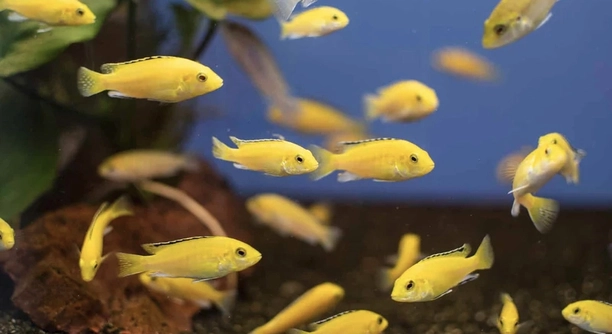
Raising African cichlid fry can be a rewarding experience for any fish keeper. These vibrant fish require careful attention during their early stages of life. Proper care helps ensure healthy growth and survival of the fry.
Successful raising of African cichlid fry depends on maintaining stable water conditions, providing appropriate food, and creating a safe environment free from stress and predators. These factors contribute to the fry’s development and overall health.
Knowing the best practices for their care will help you support your fry’s growth effectively. This guide covers essential tips to help you nurture them with confidence.
Preparing the Tank for Fry
Creating the right environment for African cichlid fry starts with the tank setup. A clean, well-maintained tank with stable water parameters is crucial. Use a sponge filter to avoid sucking up the tiny fry, and keep the water temperature between 78 and 82 degrees Fahrenheit. Make sure the pH level stays between 7.8 and 8.6, as African cichlids prefer alkaline water. Adding hiding places like small caves or plants helps the fry feel secure and reduces stress. Avoid overcrowding by limiting the number of fry in the tank. Regular water changes, about 20% weekly, keep toxins low and improve water quality. Keeping these conditions consistent will give the fry the best chance to grow strong and healthy. Avoid sudden changes, as fry are very sensitive to fluctuations in water chemistry. This setup also supports the parents if they stay with the fry, allowing natural care behaviors.
A proper tank setup protects fry from stress and helps maintain good water quality. It is the foundation for their healthy growth.
Taking time to prepare the tank carefully can make a big difference in the survival rate of your cichlid fry. Consistent monitoring of water parameters is essential because even slight changes can affect their health. Use a test kit regularly to track pH, ammonia, nitrites, and nitrates. Position the sponge filter gently to avoid disturbing the fry but ensure enough water circulation. Providing plenty of hiding spots not only protects the fry from more aggressive tank mates but also simulates their natural habitat. These measures help reduce mortality and support natural behavior. When the environment is stable and safe, the fry develop better immune systems and grow faster. Patience and attention to detail in this early stage create the best foundation for healthy adult fish.
Feeding African Cichlid Fry
Feeding the fry properly is key to their development. Offer small, frequent meals to match their tiny mouths and fast metabolism.
Start with high-quality powdered fry food or crushed flakes to ensure they get the right nutrients. Include live or frozen foods like baby brine shrimp or daphnia to improve growth. Avoid overfeeding, as leftover food can pollute the tank quickly and harm water quality. Feed about 3 to 4 times a day in small amounts, removing uneaten food after 30 minutes. Gradually increase food size as the fry grow. This feeding routine supports steady development and reduces waste buildup.
Providing the right diet helps the fry build strong bodies and increases their chances of survival. Consistent feeding habits make a big difference.
Maintaining Water Quality
Water quality is critical when raising African cichlid fry. Regular testing and water changes prevent harmful buildups.
Ammonia and nitrite levels must be kept at zero, as even small amounts can be fatal to fry. Nitrates should stay below 20 ppm to avoid stress. Frequent water changes, around 20-30% weekly, help maintain these conditions. Always treat tap water with a dechlorinator before adding it to the tank. Using a gentle filter reduces water disturbances that can harm fry. Monitoring temperature, pH, and hardness ensures the water stays within the preferred range, supporting healthy growth and immune function. Consistency in these parameters is key to avoiding sudden shocks that could lead to disease or death.
Maintaining water quality is a continuous process, but it greatly reduces fry mortality. Keeping a clean, stable environment allows the fry to develop without unnecessary risks. Use simple test kits and set a schedule for water changes to keep conditions optimal.
Separating Fry from Adults
Separating fry from adult fish prevents them from being eaten or bullied. Use a breeding box or a separate nursery tank for better protection.
If the parents are still in the main tank, they may eat the fry after they become free-swimming. Removing the fry early helps them survive this vulnerable phase. A nursery tank allows for easier feeding and monitoring. It also reduces stress from aggressive adults. Use gentle water flow and plenty of hiding spots inside the nursery. Ensure that the fry tank matches the main tank’s water conditions to avoid shock during transfer. Regular observation will help catch any health issues early. This separation is vital for raising a larger number of fry successfully.
Monitoring Fry Growth
Watching the fry grow helps you adjust care as needed. Track their size and activity regularly to spot any problems early.
Uneven growth or lethargy can signal illness or poor water conditions. Early detection allows for quick action to improve their health and survival chances.
Preventing Disease
Maintaining cleanliness and stable water conditions helps prevent common diseases in cichlid fry. Quarantine new fish before introducing them to the tank to reduce infection risks.
Avoid overcrowding and remove sick fry promptly to protect the rest. Healthy fry are less likely to develop infections or parasites.
Gradual Tank Transition
Move the fry to a larger tank slowly as they grow. Sudden changes can stress them and cause health issues.
Introduce new tankmates carefully, choosing peaceful species that won’t harm the young fish.
FAQ
How often should I feed African cichlid fry?
Feeding small amounts 3 to 4 times daily works best. Their tiny mouths and fast metabolism need frequent meals, but overfeeding can pollute the water. Remove leftover food after about 30 minutes to keep the tank clean. As fry grow, gradually increase the food size and adjust feeding frequency accordingly.
What type of food is best for cichlid fry?
Start with powdered fry food or crushed flakes to ensure they can easily eat it. Adding live or frozen foods like baby brine shrimp or daphnia improves nutrition and promotes faster growth. A mix of dry and live food provides balanced nutrients and keeps fry healthy.
Can I keep the fry with adult cichlids?
It’s risky to keep fry with adults, especially aggressive species. Adults may eat or stress the fry. Using a breeding box or separate nursery tank protects the fry during their vulnerable early stages. If parents show good care, you can keep them together but watch closely.
How important is water temperature for fry?
Water temperature should stay between 78 and 82 degrees Fahrenheit. Fry are sensitive to sudden temperature changes, which can cause stress or illness. Use a reliable heater and thermometer to keep the temperature stable, ensuring healthy development.
How often should I do water changes?
Weekly water changes of about 20-30% help maintain water quality and reduce harmful toxins. Regular changes keep ammonia, nitrites, and nitrates low, which is crucial for the fry’s survival. Always treat new water with a dechlorinator before adding it to the tank.
What are signs of poor water quality?
Look for sluggish behavior, gasping at the surface, or unusual coloring in fry. These can indicate ammonia or nitrite buildup. Cloudy water or strong odors also suggest poor conditions. Regular testing with water kits helps catch problems early.
When can fry be moved to a larger tank?
Fry can be moved once they grow large enough to avoid being swallowed by other fish—usually after 4 to 6 weeks. Move them gradually to avoid stress, matching water parameters between tanks. Introduce tankmates carefully, choosing peaceful species.
Is it necessary to add hiding places for fry?
Yes, hiding places reduce stress and protect fry from aggression. Use small caves, plants, or spawning mops to give them shelter. A secure environment encourages natural behavior and improves survival rates.
How do I prevent disease in fry?
Keep the tank clean and maintain stable water conditions. Quarantine new fish before adding them to the tank to prevent infections. Avoid overcrowding and remove sick fry promptly to protect the rest. Healthy water and diet support strong immune systems.
Can fry survive without live food?
Fry can survive on dry powdered food alone, but live foods significantly improve growth and health. Live foods provide natural movement and nutrients that dry foods lack. Offering a mix of both types gives the best results.
Raising African cichlid fry requires patience and attention, but it can be very rewarding. The early stages of their life are fragile, and providing the right environment is key to their survival. Keeping water conditions stable, feeding the fry properly, and protecting them from stress and predators are important steps. Each part of their care affects how well they grow and stay healthy. Consistency in your care routine will help you avoid common problems and give the fry the best chance to thrive.
Watching the fry grow and develop can be satisfying, especially when you see their colors start to shine and their personalities emerge. It is important to remember that fry need time and gentle care. Avoid rushing their growth by overfeeding or making sudden changes to their tank. Monitoring water quality regularly and giving them a balanced diet helps support their immune system and overall development. Even small changes, like adding hiding places or using a sponge filter, can make a big difference in their comfort and safety.
Raising African cichlid fry is not always easy, but it can be a positive experience with the right approach. By preparing the tank well, feeding them correctly, and separating them when necessary, you increase their chances of becoming strong adult fish. Paying attention to their health and growth helps you catch any problems early. With patience and care, your fry can grow into healthy, colorful fish that add life to your aquarium. Taking the time to understand their needs will make the process smoother and more enjoyable.

Hello,
If you enjoy the content that we create, please consider saying a "Thank You!" by leaving a tip.
Every little bit helps us continue crafting quality advice that supports the health, happiness, and well-being of pets around the world, for pets of all shapes, sizes, and species.
We really appreciate the kindness and support that you show us!