
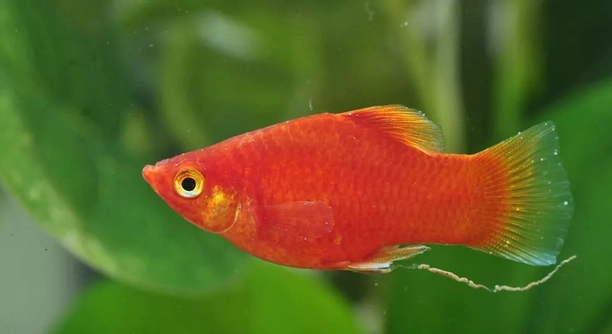
Are your platies chasing each other more than usual, leaving you wondering if your peaceful tank has turned into a battleground?
The best way to raise a peaceful platy tank is by maintaining a stable environment, providing enough space, choosing the right tank mates, and meeting their social needs through proper care, feeding, and routine monitoring.
Platies are social fish that thrive with the right balance of tank conditions, companions, and attention—small changes can make a big difference in keeping your aquarium calm and stress-free.
Choose the Right Tank Mates
Platies are peaceful fish, but that doesn’t mean they get along with every species. Some fish are too aggressive, while others might be too shy or easily stressed by platies’ active swimming. It’s important to choose tank mates that match their calm nature and similar size. Good options include mollies, guppies, corydoras, and tetras. Avoid pairing platies with fin-nippers or overly territorial fish like barbs or cichlids. A peaceful tank depends on compatibility. If one fish is constantly hiding or chasing others, it can lead to stress and illness. When choosing new fish, always research how they behave in a community tank. Observation is also key—watch how they interact before adding more. Even compatible fish can behave differently in small spaces. Always consider how much space you have and don’t overcrowd your tank. More space means fewer conflicts and happier fish overall.
Choose species that swim in different parts of the tank to reduce tension and avoid competition.
If your tank feels unsettled, start by checking which fish seem aggressive or stressed. Sometimes, one mismatch can disturb the balance. A calm, respectful mix of species encourages healthy activity and natural behaviors in your platies. Careful selection now can prevent future problems and keep your tank peaceful.
Keep a Balanced Male-to-Female Ratio
A good male-to-female ratio prevents bullying and keeps the tank calm. Ideally, keep one male for every two or three females.
When there are too many males in a tank, they may chase females constantly. This creates stress and disrupts the peaceful atmosphere you’re trying to build. Female platies need space to swim and eat without always being followed. Keeping more females than males helps spread the attention and allows all fish to rest. You’ll also notice fewer torn fins or hiding behaviors. Over time, a balanced ratio creates a calm routine in the tank. If your platies are always chasing each other, check the ratio first. It’s a simple fix that makes a big difference. Also, remember that platies breed often, so you may notice fry in the tank. More females can lead to more babies, so consider how many fish your setup can handle. Watching behavior closely helps maintain a peaceful tank long-term.
Maintain Consistent Water Conditions
Stable water conditions help prevent stress and aggression in platies. Sudden changes in temperature, pH, or ammonia levels can make them uneasy and more likely to act out toward tank mates.
Keep the temperature between 72°F and 78°F, and use a reliable heater to avoid swings. Test your water weekly for ammonia, nitrite, and nitrate levels. A pH between 7.0 and 8.2 is ideal for platies. If you notice cloudy water or sluggish behavior, it might be time for a water change. Use a good-quality water conditioner and clean your filter regularly. Avoid overfeeding, as leftover food can break down and affect the water. Stick to a feeding schedule and remove uneaten food quickly. Stability makes a big difference in behavior and health. Small routines, like checking the thermometer daily, help spot issues early.
Avoid changing everything at once. If you’re adjusting water parameters, make changes gradually. Sudden shifts, even if well-intended, can shock the fish. When cleaning, don’t replace all the water at once. Stick to 20–30% weekly changes to keep beneficial bacteria stable. Clean gravel and decorations gently to avoid disturbing the ecosystem. If you add new fish or plants, quarantine them first to prevent introducing anything harmful. Clean, stable water gives platies the security they need to swim, eat, and interact naturally. Calm fish are a good sign things are in balance.
Provide Enough Space
Platies are active swimmers, and limited space can cause stress and fighting. A minimum of 10 gallons is needed for a small group, but more space always helps.
Crowded tanks often lead to chasing, hiding, and territorial behavior. Each platy should have room to swim freely without bumping into others constantly. A larger tank reduces competition and gives them personal space. When fish feel cramped, they can’t establish natural behavior patterns. As a result, even peaceful species can start to act out. Always plan for the adult size of your fish, not the size they are when you buy them. Overstocking can sneak up on you, especially with livebearers like platies who reproduce quickly. Adding more space helps your tank look calmer and keeps your fish active, curious, and less aggressive. The difference is usually visible within a few days after upgrading their environment.
Add Hiding Spots and Plants
Decorations and plants give platies a place to rest and feel secure. When fish have hiding spots, they’re less likely to feel threatened or become territorial.
Use live or silk plants, caves, or small structures. Spread them around the tank to break up sightlines and reduce chasing.
Feed a Nutritious, Varied Diet
Feeding platies a balanced diet keeps them healthy and calm. Offer high-quality flakes as a base, but also include frozen or live foods like daphnia or brine shrimp. Blanched veggies like zucchini or spinach help with digestion and reduce boredom. Feed small amounts twice a day, and avoid overfeeding. Uneaten food can cause water issues, leading to stress and aggression. A good diet boosts immunity and helps them stay active without being hyper or territorial. Varying their meals also gives them stimulation. Watch how they eat—fast eaters may outcompete slower ones, so consider spreading food around to give all fish a chance.
Avoid Sudden Light Changes
Keep lighting gradual. Turning bright lights on or off too quickly can startle your platies. Use a timer or switch lights on slowly to help them adjust without stress.
How many platies should I keep in one tank?
Platies are social fish that do best in groups of at least three to five. Keeping a small school allows them to interact naturally and reduces aggression. However, the total number depends on your tank size. A 10-gallon tank can hold about five platies comfortably, but larger tanks allow more. Avoid overcrowding, which can cause stress and increase waste buildup. It’s better to start with fewer fish and gradually add more, keeping an eye on how they behave and how clean the tank stays.
What is the best water temperature for platies?
Platies thrive in water temperatures between 72°F and 78°F (22°C to 26°C). Consistent temperature is key to avoiding stress. Use a reliable aquarium heater and thermometer to monitor daily. Sudden drops or rises in temperature can weaken their immune systems and cause erratic behavior. Avoid placing the tank near drafts, windows, or heating vents to maintain stability. Keeping the water warm but steady helps platies stay active and peaceful.
Why are my platies chasing each other?
Chasing can happen for several reasons: too many males, lack of hiding spaces, or stress from poor water quality. Males often compete for females, so keep the male-to-female ratio balanced (one male per two or three females). Providing plants and decorations creates safe spaces and breaks sightlines, reducing aggressive chasing. Also, check water parameters—high ammonia or nitrate levels can cause irritability. If chasing becomes constant or violent, consider separating overly aggressive fish to protect others.
Can platies live with other fish?
Yes, platies get along well with other peaceful, similarly sized fish like guppies, mollies, tetras, and corydoras. Avoid aggressive or territorial species that might stress or injure your platies. Always research potential tank mates before adding them and observe how they interact once introduced. Quarantine new fish to prevent diseases from spreading. A well-chosen community tank encourages natural behaviors and reduces conflict, creating a calm environment for everyone.
How often should I change the water?
Regular water changes are essential to keep platies healthy and calm. Change about 20–30% of the water every week to remove waste and toxins. Avoid changing too much at once, which can shock your fish. Use a water conditioner to remove chlorine and other harmful chemicals from tap water before adding it to the tank. Keeping water clean helps prevent disease and aggressive behavior caused by poor conditions.
What should I feed my platies?
Feed platies a varied diet of high-quality flake food, supplemented with frozen or live foods like brine shrimp, daphnia, or bloodworms. Adding blanched vegetables such as zucchini or spinach provides fiber and nutrients. Feed small portions two times a day, only as much as they can eat in a few minutes. Overfeeding leads to water pollution and health issues. A balanced diet supports growth, bright colors, and peaceful behavior.
Why do my platies nip fins?
Fin nipping usually happens when platies are stressed, overcrowded, or bored. Males may nip fins during mating displays or dominance struggles. Ensure the tank isn’t overcrowded and that there are plenty of hiding spots. Keep the water clean and stable. Providing enough space and enrichment reduces aggression. If fin nipping persists, separate the most aggressive fish to protect others from injury.
How do I tell if my platies are stressed?
Signs of stress include hiding more than usual, loss of appetite, faded colors, rapid breathing, or erratic swimming. Stress often results from poor water quality, overcrowding, bullying, or sudden changes in environment. Test your water regularly and observe behavior closely. Fixing these issues quickly prevents illness and helps restore calm. Providing stable conditions, hiding spots, and proper diet reduces stress and keeps your platies healthy.
Can platies breed in a community tank?
Yes, platies are livebearers and breed easily in community tanks. Females give birth to free-swimming fry rather than laying eggs. If you don’t want more fish, keep only one gender or be prepared to separate the young. Fry may get eaten by other fish, so hiding places help improve survival. Breeding doesn’t usually cause aggression, but the extra fish will increase bioload, so monitor water quality closely.
What should I do if my platy tank becomes aggressive?
If your tank turns aggressive, first check the male-to-female ratio and adjust if needed. Add more hiding spots or decorations to reduce line of sight and stress. Test and improve water quality by doing regular water changes and cleaning the tank. Remove or isolate aggressive fish if behavior doesn’t improve. Sometimes, simply upgrading to a larger tank can calm tensions. Patience and careful observation help restore peace over time.
Raising a peaceful platy tank takes attention to a few important details. Keeping water conditions stable, providing enough space, and choosing the right tank mates all play key roles. Platies are naturally calm fish, but their environment must support that calmness. Sudden changes in water or too many aggressive fish can cause stress and fighting. Paying close attention to the balance of your tank helps your platies stay healthy and relaxed. Small adjustments, like adding plants or checking the male-to-female ratio, often make a big difference.
Another important point is feeding a proper diet and sticking to a regular schedule. Overfeeding leads to poor water quality, which is one of the main reasons fish get stressed. Feeding small amounts of high-quality food twice a day helps keep the water clean and fish healthy. Providing variety with flakes, frozen foods, and vegetables adds nutrition and interest. A well-fed platy is more active and less likely to chase or nip other fish. Keeping their diet balanced supports their overall well-being and peaceful nature.
Finally, patience and observation are essential. Every tank is different, and it may take some time to find the right setup for your platies. Watch how your fish behave and respond to changes you make. If you notice aggression or stress, act quickly to improve conditions. A calm tank requires ongoing care and adjustments, but the results are worth it. Peaceful platies brighten any aquarium and make the hobby more enjoyable. With simple steps and consistent care, you can create a happy, peaceful home for your platies.

Hello,
If you enjoy the content that we create, please consider saying a "Thank You!" by leaving a tip.
Every little bit helps us continue crafting quality advice that supports the health, happiness, and well-being of pets around the world, for pets of all shapes, sizes, and species.
We really appreciate the kindness and support that you show us!