
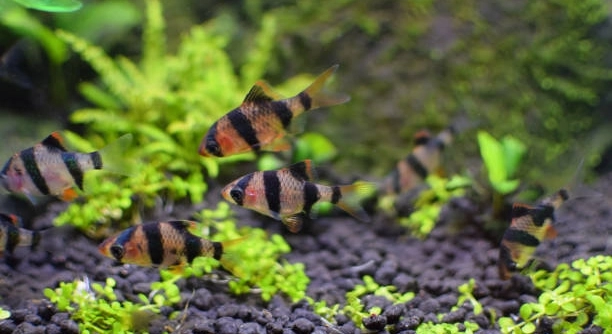
New tiger barbs need special care when introduced to a new tank. Proper quarantining helps protect both the fish and the existing aquarium environment. Taking the right steps ensures their healthy adjustment and prevents disease spread.
Quarantining new tiger barbs involves isolating them in a separate tank for at least two weeks. This period allows observation for signs of illness and prevents potential infections from reaching the main aquarium. Proper water conditions and monitoring are essential during this time.
Following these tips will support your fish’s health and help maintain a safe tank for all its inhabitants.
Preparing the Quarantine Tank
Setting up the quarantine tank properly is the first step when bringing new tiger barbs home. Choose a small tank that is easy to clean and maintain, ideally around 10 gallons. Fill it with fresh, treated water that matches the temperature and pH of the main aquarium. Add a simple filter and an air stone to keep the water clean and oxygenated. Avoid placing decorations or gravel to reduce places where harmful bacteria or parasites can hide. This setup allows you to closely watch your new fish without risking the health of your established tank. Make sure to check the water daily and perform small water changes if needed to keep the environment stable. Keep the tank in a quiet place away from direct sunlight or drafts to reduce stress on the fish.
Keeping the quarantine tank simple helps in quickly spotting any health issues and controlling the environment during this critical period.
A well-prepared quarantine tank not only protects your main aquarium but also gives your tiger barbs a chance to recover from transport stress. During quarantine, closely observe the fish for any unusual behavior or signs of illness like clamped fins, spots, or lethargy. Maintaining water quality is essential—test the water regularly and adjust as needed to avoid harmful ammonia or nitrite buildup. Feeding should be light and consistent, using high-quality food to support their immune system. Avoid overcrowding to reduce stress and aggression. After the quarantine period, gradually acclimate the tiger barbs to the main tank’s conditions before transfer. This step helps reduce shock and ensures a smooth transition for your fish to their new home.
Monitoring Fish Behavior and Health
Observation is key during quarantine to catch any health issues early.
Tiger barbs can show signs of stress or illness that are easy to miss. Watching them daily helps identify problems before they worsen. Common signs include hiding, rapid breathing, loss of appetite, or discoloration. Any unusual behavior should be taken seriously, and if needed, treatment can begin right away. Early intervention increases the chance of recovery and prevents disease from spreading to other fish. Keep notes on what you observe and changes over time to track their progress. This careful attention during quarantine makes a big difference in the overall success of introducing new tiger barbs to your aquarium.
Feeding During Quarantine
Feed your tiger barbs small amounts once or twice a day.
Overfeeding can harm the water quality and stress your fish. Provide high-quality flake or pellet food designed for tropical fish. Supplement with occasional live or frozen foods like brine shrimp or bloodworms to boost their nutrition. Keep feeding consistent but moderate to avoid leftover food decaying in the tank.
Feeding during quarantine supports your fish’s immune system and helps them recover from transport stress. Make sure the food is fresh and appropriate for their size. Remove any uneaten food promptly to maintain water cleanliness. Healthy, well-fed fish are better prepared to handle the challenges of adjusting to a new environment and resisting disease.
Quarantine Duration and Timing
Keep your tiger barbs in quarantine for at least two weeks.
This time frame allows enough opportunity to spot illnesses and manage them before introducing fish to the main tank. Sometimes, longer quarantine periods are needed if symptoms appear or treatments are required. Avoid rushing this step, as premature introduction can risk your entire aquarium’s health. Patience during quarantine sets the foundation for a healthy and stable community tank.
Water Quality Maintenance
Regularly check the water parameters during quarantine.
Testing for ammonia, nitrite, nitrate, and pH helps keep the tank safe. Clean water reduces stress and prevents disease. Changing 20-30% of the water weekly keeps toxins low and supports fish health.
Using Medication Wisely
Only use medication if signs of illness appear. Overusing treatments can harm fish and beneficial bacteria. Follow instructions carefully and isolate the affected fish if possible to avoid spreading disease in the quarantine tank.
Avoiding Cross-Contamination
Never reuse nets, siphons, or equipment between tanks without cleaning. Cross-contamination can spread parasites and bacteria quickly. Use separate tools for quarantine and main tanks to protect all your fish.
Keeping Stress Low
Stress weakens your fish’s immune system. Keep lighting soft and avoid sudden movements near the quarantine tank. A calm environment helps tiger barbs stay healthy and recover faster.
FAQ
How long should I quarantine new tiger barbs?
Quarantine new tiger barbs for at least two weeks. This period allows you to monitor for illness and ensure they adjust well to a stable environment. Sometimes, it may be necessary to extend quarantine if any health issues appear or if treatment is needed.
What water temperature is best for quarantine?
Maintain the quarantine tank temperature between 75°F and 79°F (24°C to 26°C). This range matches their natural environment and helps reduce stress. Consistent temperature is important for supporting their immune system during quarantine.
Can I use the same equipment for the quarantine and main tank?
It’s best to use separate equipment for each tank. Using the same nets or siphons without proper cleaning risks transferring diseases or parasites to the main aquarium. Always sanitize any tools if you must share them.
What should I feed tiger barbs in quarantine?
Feed small amounts once or twice daily. Use high-quality flakes or pellets and add occasional live or frozen foods like brine shrimp. Avoid overfeeding to keep water quality high and reduce stress on your fish.
How do I know if my tiger barbs are sick?
Signs of illness include lethargy, loss of appetite, clamped fins, spots on the body, or unusual swimming behavior. Watch carefully during quarantine, and if you notice any of these signs, take action quickly with appropriate treatment.
Is medication always necessary during quarantine?
Medication is only needed if fish show signs of illness. Routine use can harm beneficial bacteria and increase stress. If you do use medication, follow instructions carefully and monitor fish closely.
How often should I change the water during quarantine?
Perform partial water changes of about 20-30% once a week. This helps keep ammonia and nitrite levels low. Test water regularly to ensure a safe environment for your tiger barbs during quarantine.
Can I add decorations or gravel in the quarantine tank?
It’s better to keep the quarantine tank simple without decorations or gravel. This setup makes cleaning easier and allows you to spot any health problems quickly. Minimal hiding spots help you observe your fish’s behavior better.
What should I do if I notice signs of disease?
If signs appear, isolate the affected fish if possible. Begin treatment with the correct medication promptly. Continue monitoring all fish in quarantine closely until symptoms disappear and they recover fully.
How do I acclimate tiger barbs to the main tank after quarantine?
Gradually introduce the new fish to the main tank by slowly mixing tank water over several hours. This process helps them adjust to different water conditions and reduces stress during transfer. Avoid sudden changes to prevent shock.
Properly quarantining new tiger barbs is an important step to ensure their health and the safety of your aquarium. Taking the time to isolate new fish in a separate tank allows you to observe them for signs of illness and helps prevent the spread of diseases. This practice protects your existing fish and creates a better environment for everyone. While it may feel like extra work, quarantining reduces the chance of major health problems later on. It also gives the new tiger barbs time to adjust to their new surroundings more gently.
During quarantine, focus on maintaining stable water conditions. Keeping the temperature, pH, and cleanliness consistent supports the fish’s immune system. Feeding them appropriate amounts of nutritious food helps them regain strength after transport. Regular monitoring and water changes are key to reducing stress and preventing toxic buildup. If any health issues arise, prompt treatment is easier when the fish are isolated. Using separate equipment for quarantine and the main tank also limits contamination risks. These small but careful steps create a safer space where your tiger barbs can thrive before joining the main aquarium.
In the end, patience is essential when quarantining new tiger barbs. The process may take a couple of weeks or longer if treatments are needed, but the benefits are clear. A proper quarantine means healthier fish and a more stable tank overall. It lowers the chance of disease outbreaks and helps your fish settle in calmly. By following these practices, you are giving your tiger barbs the best start possible in their new home. This care will pay off with a lively, vibrant aquarium that you can enjoy for a long time.

Hello,
If you enjoy the content that we create, please consider saying a "Thank You!" by leaving a tip.
Every little bit helps us continue crafting quality advice that supports the health, happiness, and well-being of pets around the world, for pets of all shapes, sizes, and species.
We really appreciate the kindness and support that you show us!