
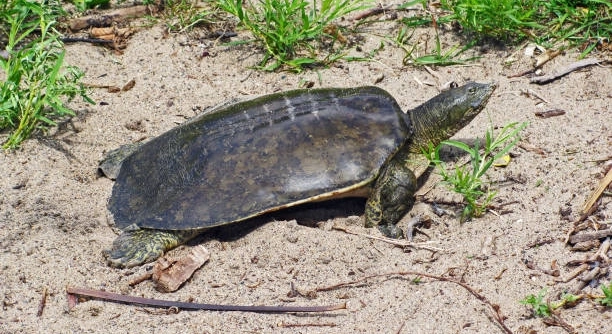
Providing a natural habitat for softshell turtles requires creating an environment that mimics their natural surroundings. This ensures they feel safe and thrive in their space. Proper care and attention to their habitat will help keep them healthy.
Softshell turtles need a carefully structured habitat that includes clean water, access to dry basking areas, and suitable substrates. Proper water filtration, appropriate tank size, and natural elements like plants or rocks will enhance their well-being and comfort.
By understanding how to create the best possible habitat, you ensure your turtle enjoys a happy and healthy life.
Water Quality and Filtration
Softshell turtles are aquatic creatures that depend on clean water to stay healthy. They thrive in environments with water that’s free of pollutants and harmful bacteria. It’s important to maintain the water’s cleanliness by using a reliable filtration system. This helps keep the habitat hygienic and reduces the risk of infections. The water should also be changed regularly to prevent buildup of waste, which could harm the turtles. Turtles are sensitive to toxins, and poor water quality can lead to health problems such as skin issues or respiratory infections.
Using a good filtration system ensures that the water stays clean without needing frequent manual changes. It’s also helpful to install a system that circulates the water, simulating natural flowing water, which turtles are accustomed to in the wild. In addition, you should monitor the water’s pH, temperature, and ammonia levels to ensure they remain stable and within a safe range for the turtles.
Investing in the right filtration system and water management tools helps create a stable and healthy environment for your turtles. It reduces the likelihood of complications and supports their long-term health.
Basking Areas
Basking areas are essential for softshell turtles. They need a spot where they can completely dry off after swimming.
Providing them with a heat source in these areas mimics the warmth of the sun they would seek in their natural habitat. Make sure the basking platform is stable and easily accessible for the turtle to climb onto.
Substrate Choices
The right substrate helps create a more natural environment. Sand, smooth pebbles, or fine gravel are common choices. Avoid sharp or jagged materials that could hurt your turtle. The substrate should be easy to clean, as turtles often burrow and create messes in their habitat.
Using a soft, clean substrate helps maintain the habitat’s hygiene. It also gives softshell turtles a more natural area to explore. The right materials, such as fine sand, provide a comfortable area for them to rest and burrow, mimicking the riverbeds and muddy shores they would naturally occupy.
Keep in mind that softshell turtles enjoy digging. A deeper substrate allows them to engage in this natural behavior. Additionally, it’s important to clean the substrate regularly to avoid bacteria buildup, which can affect the water quality. Keeping the area clean prevents issues like shell rot or infections, supporting the overall health of your turtle.
Tank Size
A spacious tank is crucial for softshell turtles to thrive. A larger tank gives them room to swim, dive, and bask comfortably. A minimum of 75 gallons is recommended for one turtle, with extra space for more.
A spacious tank also helps maintain water quality by allowing better filtration and reducing waste buildup. If the tank is too small, the water quality may deteriorate more quickly, leading to potential health issues for your turtle. The extra space provides ample room for natural behaviors like swimming and basking, which are vital for their well-being.
Lighting and Temperature
Softshell turtles need proper lighting for basking. UVB lights mimic natural sunlight and are crucial for their health. Keep the tank warm, ideally between 75°F and 85°F, with a basking area reaching 90°F to 95°F.
Providing proper lighting supports their metabolic health and shell development. Without UVB exposure, they may suffer from vitamin D3 deficiency, leading to shell deformities and weakened bones. Make sure the UVB light covers the entire basking area to allow your turtle to absorb the necessary UV rays. Regularly replace the bulbs, as their effectiveness diminishes over time.
Hiding Spots
Turtles need a sense of security. Provide hiding spots like rocks or submerged logs where they can retreat when feeling stressed.
Having hiding spots helps reduce anxiety and supports a calm environment for your turtle. These spaces allow them to feel safe, especially when they are adjusting to their new habitat or feeling threatened. Ensure the hiding spots are easy to access and don’t trap your turtle.
FAQ
What is the ideal water temperature for softshell turtles?
Softshell turtles thrive in water temperatures ranging from 75°F to 85°F. It’s important to keep the water warm enough for proper digestion and immune function. If the temperature drops below 70°F, their metabolism slows down, which can lead to health issues. Ensure the water stays within this range to promote activity and prevent stress. Use a reliable aquarium heater to maintain the right temperature, especially in colder climates.
How often should I clean the tank for my softshell turtle?
Regular cleaning is essential to maintain a healthy environment. A softshell turtle’s tank should be cleaned at least once a week, but spot cleaning can be done daily. Remove uneaten food, waste, and debris to prevent the water from becoming polluted. A good filtration system can reduce the frequency of full tank cleanings, but it’s still necessary to perform partial water changes and clean the tank thoroughly every 1-2 weeks.
Do softshell turtles need to be fed every day?
Yes, softshell turtles should be fed daily, but their diet should vary. They are omnivores and can eat a mix of commercial turtle food, live or frozen insects, vegetables, and occasionally, fish. Providing a balanced diet ensures they receive all necessary nutrients. However, you should monitor how much they eat to avoid overfeeding. Adjust portions based on your turtle’s size and activity level.
Can softshell turtles live with other turtles?
Softshell turtles can live with other turtles, but it’s essential to ensure there’s enough space and hiding spots for each turtle. Some softshells may become aggressive towards each other, especially during feeding times or if they feel crowded. It’s best to house them separately unless the tank is large enough to prevent territorial disputes. Watch for signs of aggression, and be ready to separate them if necessary.
What should I do if my softshell turtle isn’t basking?
If your softshell turtle isn’t basking, check the basking area’s temperature and lighting. It may not feel comfortable due to the temperature being too low or insufficient UVB lighting. Softshell turtles need warmth and UVB rays to remain healthy. If the basking spot is too cold or lacks proper light, they might avoid it. Ensure the basking area is accessible, dry, and offers a temperature of 90°F to 95°F.
How do I know if my softshell turtle is sick?
Signs of illness in softshell turtles include lethargy, loss of appetite, difficulty swimming, swollen eyes, or changes in the shell’s appearance. If your turtle seems unwell, check the water quality, as poor water conditions can lead to infections or stress. It’s crucial to monitor their behavior and consult a veterinarian if you notice unusual symptoms. Prompt action can prevent further complications.
Is it okay to feed my softshell turtle live fish?
Yes, it is okay to feed softshell turtles live fish, but it should not be the only component of their diet. Live fish can provide enrichment and mimic natural feeding behaviors. However, it’s essential to ensure that the fish are free of parasites and diseases. Also, offer a variety of other foods, such as leafy greens, aquatic plants, and high-quality turtle pellets, to maintain a balanced diet.
Can I keep a softshell turtle in a pond instead of a tank?
Yes, softshell turtles can live in a pond as long as it meets their needs. The pond should have clean water, plenty of space for swimming, and access to basking areas. The water should also be deep enough for them to dive and shallow enough for easy access to basking. Filtration is crucial to maintain water quality, and the pond should have areas for the turtle to retreat and hide when needed. It’s also important to ensure the pond is safe from predators.
How big do softshell turtles get?
Softshell turtles can grow significantly, with some species reaching up to 30 inches in length. The size varies depending on the species, but most softshells grow to about 12-24 inches. It’s essential to provide enough space in the habitat as they grow. A large tank or pond is required to accommodate their size and give them room to move freely.
What kind of substrate should I use in the tank?
A softshell turtle’s tank should have a smooth, soft substrate such as fine sand or smooth pebbles. Avoid sharp or rough materials that could harm the turtle’s delicate skin and shell. The substrate should be easy to clean and provide a comfortable surface for burrowing or resting. Regular cleaning of the substrate will help maintain water quality and prevent bacteria buildup.
How can I make my softshell turtle feel more secure?
Softshell turtles often feel more secure with hiding spots in their habitat. Include rocks, plants, or submerged logs where they can retreat if they feel threatened. This gives them a safe space to rest and reduce stress. Also, make sure their environment is stable, with appropriate lighting, water conditions, and temperature. Stress can lead to health issues, so ensuring a calm, comfortable environment is key.
Final Thoughts
Creating a suitable habitat for your softshell turtle involves understanding their natural environment and replicating it as closely as possible. The right balance of space, temperature, lighting, and water quality is key to their overall health and happiness. Softshell turtles are not difficult to care for if their basic needs are met. Ensuring they have plenty of room to swim, bask, and explore will provide them with a sense of security and help them thrive.
Regular maintenance of the tank is essential to keeping your turtle healthy. Cleaning the tank, monitoring the water temperature, and ensuring the filtration system works well will prevent issues like bacterial infections or stress. Providing proper lighting, especially UVB lights, will help your turtle absorb the necessary vitamins to stay strong. A consistent routine will help your turtle adjust better to its environment and feel more comfortable in its home.
Lastly, pay attention to your turtle’s behavior. If you notice any signs of illness or discomfort, take action immediately. Monitoring their diet, water quality, and activity levels will give you an insight into their well-being. As long as you create a safe, clean, and comfortable habitat for your softshell turtle, it will lead to a long and healthy life.

Hello,
If you enjoy the content that we create, please consider saying a "Thank You!" by leaving a tip.
Every little bit helps us continue crafting quality advice that supports the health, happiness, and well-being of pets around the world, for pets of all shapes, sizes, and species.
We really appreciate the kindness and support that you show us!