
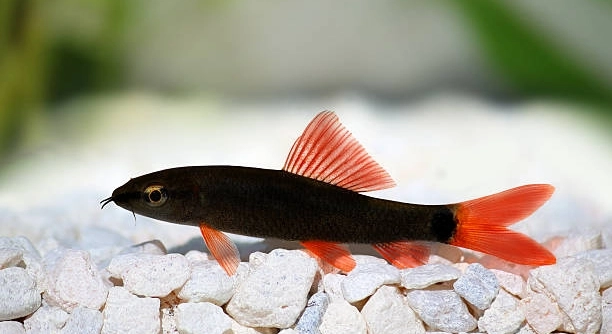
Introducing new fish to a Rainbow Shark tank requires care and attention. Many aquarists find it challenging to create a peaceful environment where all fish can thrive. Proper introduction techniques help prevent stress and aggression among tank inhabitants.
To properly introduce new fish to a Rainbow Shark tank, it is essential to acclimate them slowly, monitor water parameters closely, and provide adequate hiding spots. This approach minimizes territorial disputes and promotes a stable, healthy community environment.
Following these tips can make your tank a more harmonious space. The right steps ensure your Rainbow Shark and new fish coexist peacefully for the long term.
Preparing the Tank Before Introducing New Fish
Before adding new fish to your Rainbow Shark tank, it is important to prepare the environment properly. Start by cleaning the tank and removing any leftover food or debris. Check the water parameters such as temperature, pH, and ammonia levels to ensure they are within the ideal range for Rainbow Sharks and new fish species. Adding plenty of plants, rocks, and hiding spots will help reduce stress by giving fish places to retreat. These steps create a comfortable environment and reduce territorial disputes. Proper preparation also helps avoid sudden changes in water conditions that can shock the new fish or cause illness. Taking the time to get the tank ready supports a smoother transition and keeps all the fish healthy.
Preparing the tank well reduces aggression and increases the chances of peaceful coexistence. It is a necessary step that should not be rushed.
A clean and well-structured tank creates a balanced space where your Rainbow Shark feels secure and new fish can adapt without immediate conflict. This preparation lays the foundation for a successful introduction and long-term harmony.
Quarantine and Acclimation Process
Quarantine is an essential step before adding new fish to your main tank. It prevents the spread of diseases and allows you to observe the health of new arrivals.
When introducing new fish, start with slow acclimation. Float the bag with the new fish in the tank water for at least 15 minutes to equalize temperature. Gradually add small amounts of tank water into the bag every 10 minutes for about an hour. This process helps the new fish adjust to water chemistry and reduces stress. Avoid adding the new fish directly to the tank to prevent shock. After acclimation, gently release the fish near hiding spots. Monitor their behavior closely during the first few days to catch any signs of stress or aggression. Patience during quarantine and acclimation ensures healthier fish and smoother integration into the tank community.
Monitoring Behavior After Introduction
Watch the fish closely once they join the tank. Early signs of stress or aggression need immediate attention to avoid injury or death.
If aggression occurs, try rearranging tank decorations to break established territories. This can help reduce fights between Rainbow Sharks and newcomers. Keep an eye on feeding times to ensure all fish get enough food. Sometimes dominant fish may block others from eating properly. Separate any injured or overly stressed fish if necessary. Taking these steps can prevent long-term conflicts and protect the health of the entire tank community.
Regular observation during the first week is crucial. It allows you to react quickly to problems and maintain a peaceful environment for all fish.
Feeding Tips During Transition
Feeding new and existing fish properly helps reduce stress and aggression. Provide small, frequent meals to prevent competition and ensure all fish receive adequate nutrition.
Use high-quality flakes, pellets, or frozen food suitable for both Rainbow Sharks and the new fish species. Avoid overfeeding as it can pollute the water and increase aggression. Offer a variety of foods to meet different dietary needs and keep fish healthy. Feeding at consistent times helps establish a routine, which can calm fish during the adjustment period. Remove any uneaten food promptly to maintain water quality and reduce the risk of disease. Careful feeding supports a smooth transition and promotes good health for all tank inhabitants.
Maintaining Water Quality
Consistently clean the tank to keep water quality high. Poor water conditions increase stress and disease risk for all fish.
Perform regular water changes and test parameters frequently. Remove waste and uneaten food promptly to avoid toxin buildup.
Choosing Compatible Tank Mates
Select fish species that tolerate similar water conditions and temperaments as Rainbow Sharks. Avoid overly aggressive or very small fish that might become targets.
Good tank mates include peaceful but active fish that can hold their own without causing territorial fights. Compatibility reduces stress and aggression in the tank, promoting harmony among all inhabitants.
Using Hiding Spots Effectively
Hiding places help reduce conflicts by offering refuge during stressful interactions. Provide caves, plants, and decorations to create these safe zones.
Handling Stress Signs
Watch for signs like rapid breathing, hiding, or loss of appetite. These indicate stress and need immediate care to prevent illness or death.
FAQ
How long should I quarantine new fish before adding them to my Rainbow Shark tank?
Quarantine for at least two weeks is recommended. This period allows you to observe the new fish for any signs of illness or parasites. It also helps prevent introducing diseases into your main tank. Keeping the new fish separate during this time reduces risks and improves their chances of a healthy transition.
What is the best way to acclimate new fish to the tank water?
The best method is drip acclimation or floating the sealed bag in the tank for about 15-20 minutes to equalize temperature. Then, slowly add small amounts of tank water to the bag every 10 minutes over an hour. This gradual adjustment helps the new fish adapt to differences in water chemistry, reducing stress.
Can I add multiple new fish to the tank at the same time?
Yes, adding multiple new fish together is often better. It reduces territorial aggression because the Rainbow Shark and existing fish do not focus their attention on just one newcomer. However, monitor all fish carefully during the first few days to catch any signs of conflict early.
How do I know if my Rainbow Shark is being too aggressive?
Signs include constant chasing, nipping fins, or cornering other fish. If you notice injuries or fish hiding excessively, it is a sign of aggression. Rearranging decorations or providing more hiding spaces can help reduce this behavior.
What types of fish are best suited to live with Rainbow Sharks?
Good companions include larger, peaceful species like certain tetras, barbs, or catfish. Avoid small or slow-moving fish that might be bullied. Always research compatibility before adding new fish to avoid aggression or stress.
How often should I clean the tank when introducing new fish?
During introduction, perform partial water changes weekly, about 20-25%, to keep water fresh and stable. Remove uneaten food and waste daily to prevent toxin buildup. Regular maintenance supports healthy fish and reduces stress.
What should I feed new fish during the transition?
Feed small portions of high-quality food suitable for both the Rainbow Shark and new species. Offer a variety like flakes, pellets, or frozen foods. Frequent, small feedings reduce competition and keep fish nourished without polluting the water.
Can stress cause health problems in fish?
Yes, stress weakens fish immune systems, making them prone to infections and disease. Signs of stress include loss of appetite, faded colors, and erratic swimming. Managing water quality, proper acclimation, and reducing aggression all help lower stress.
Is it necessary to rearrange tank decorations before introducing new fish?
Rearranging decorations can break up established territories and reduce aggression. It helps all fish feel less territorial and more secure. This simple step often leads to a more peaceful tank environment.
What if the new fish hide all the time?
Some hiding is normal as fish adjust. However, constant hiding may indicate stress or bullying. Ensure plenty of hiding spots and monitor interactions. If hiding continues, consider separating the fish or reviewing tank compatibility.
How can I tell if new fish are healthy?
Healthy fish swim actively, have clear eyes, intact fins, and normal breathing. Watch for signs like spots, swelling, or lethargy, which may indicate illness. Quarantine helps detect and treat problems before adding fish to the main tank.
Can Rainbow Sharks live peacefully with other bottom dwellers?
Rainbow Sharks can coexist with some bottom dwellers like certain catfish or loaches, but space is key. Provide enough hiding spots and territory for all bottom fish to reduce competition and aggression.
What temperature and water conditions are best for Rainbow Sharks and their tank mates?
Maintain water temperature between 72-79°F (22-26°C) with a pH around 6.5-7.5. Stable, clean water is important for all fish health. Regular testing ensures these conditions are met before adding new fish.
Should I feed new fish immediately after introduction?
Wait a few hours after introducing new fish before feeding. This allows them time to explore and settle. Feeding too soon can increase aggression or stress. Start with small amounts and monitor how well the fish eat.
How long does it take for new fish to fully settle in?
Settling time varies but usually takes a few days to two weeks. During this time, fish will explore, establish territories, and adjust to their new environment. Patience and careful monitoring are key to a successful introduction.
Final Thoughts
Introducing new fish to a Rainbow Shark tank requires careful planning and patience. The process is not simply about placing new fish into the tank but about ensuring that both the new arrivals and the existing fish can live together peacefully. Proper preparation of the tank, including cleaning, checking water quality, and adding hiding spots, creates an environment where fish feel secure. This step is essential because Rainbow Sharks are territorial and can show aggression if they feel threatened. Taking time to prepare helps reduce stress for all fish and increases the chances of a successful introduction.
The quarantine and acclimation phases are equally important. Quarantining new fish before adding them to the main tank helps prevent the spread of disease. Acclimation allows the new fish to adjust slowly to the water conditions, minimizing shock and stress. When done correctly, these steps make the transition smoother and support the health of all tank inhabitants. Monitoring fish behavior after introduction is crucial as well. Aggression or signs of stress should be addressed quickly to avoid injuries or illness. Rearranging decorations and providing ample hiding places are useful methods to reduce conflicts. Consistent feeding routines and proper nutrition during this time also help maintain peace and promote healthy growth.
Maintaining water quality through regular cleaning and water changes is a key ongoing task. Good water conditions prevent stress and disease, which are common problems when new fish are introduced. Choosing compatible tank mates that tolerate similar conditions and temperaments is important to avoid conflicts. Overall, patience and attention to detail throughout the entire process are necessary. While the steps may seem time-consuming, they protect the health of your Rainbow Shark and new fish, helping create a balanced and thriving aquarium. Following these guidelines will make your tank a more enjoyable and peaceful place for all its inhabitants.

Hello,
If you enjoy the content that we create, please consider saying a "Thank You!" by leaving a tip.
Every little bit helps us continue crafting quality advice that supports the health, happiness, and well-being of pets around the world, for pets of all shapes, sizes, and species.
We really appreciate the kindness and support that you show us!