
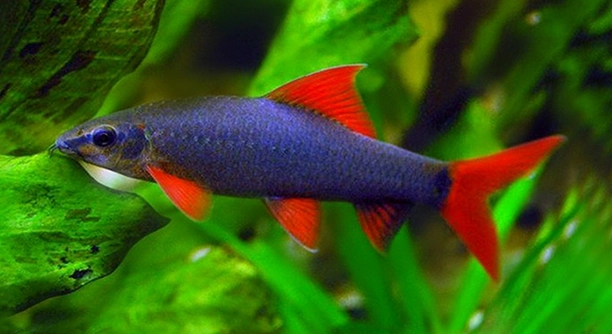
Are you feeding your rainbow shark the right way but still notice strange behavior or health issues popping up over time?
Proper feeding for a rainbow shark includes providing high-quality sinking pellets, occasional protein-rich treats, and maintaining a balanced schedule. Overfeeding or using the wrong type of food can lead to digestive problems and stress.
Learning the best way to feed your rainbow shark can help prevent illness, support growth, and improve overall behavior in your tank.
Choose the Right Type of Food
Rainbow sharks need sinking pellets designed for bottom-dwelling fish. These pellets stay at the bottom, allowing your shark to eat naturally without competing with top-feeders. Supplementing with algae wafers, bloodworms, or brine shrimp a few times a week adds necessary protein and variety. Avoid using only flakes or surface foods. These don’t suit their feeding habits and often get ignored or rot in the tank, affecting water quality. Feeding the right type of food supports healthy digestion, vibrant colors, and steady growth. Always check labels to ensure the food matches their dietary needs. A mix of plant-based and protein-rich options works best. If you keep them in a community tank, monitor feeding times to ensure your rainbow shark gets enough to eat. They can be territorial, so observe interactions and adjust feeding spots if needed. Proper food choices help your fish stay active, colorful, and less stressed over time.
Feeding only flakes may leave your rainbow shark underfed. Choose food that sinks quickly and offers both plant and protein content.
Stick to high-quality foods made specifically for bottom-dwellers. This improves nutrient absorption and limits waste in your tank. Balanced feeding helps prevent aggression, boosts energy levels, and promotes a longer, healthier life for your fish.
Avoid Overfeeding
Too much food can make your rainbow shark sick. Feed them small amounts once or twice daily and remove uneaten food quickly.
Overfeeding leads to poor water conditions, bloating, and even liver damage in fish. Rainbow sharks have small stomachs and don’t need a lot of food to stay healthy. Uneaten food breaks down and adds excess waste to the tank, making the water cloudy and increasing ammonia levels. This stresses your fish and creates a higher chance of illness. If you notice your rainbow shark staying still more often, breathing heavily, or showing unusual swimming behavior, overfeeding might be the reason. Always measure out the food before feeding and watch how much your fish actually eats in two to three minutes. You can skip a feeding day once a week to help with digestion and tank balance. A consistent, minimal feeding routine not only keeps your shark healthy but also helps maintain clean water and stable tank conditions.
Feed at Consistent Times
Feeding your rainbow shark at the same time each day helps reduce stress. Consistency builds routine, making your fish feel more secure and active during feeding. Unpredictable schedules can cause them to become more aggressive or anxious.
Rainbow sharks are territorial and sensitive to changes in their environment, including feeding times. A fixed feeding schedule helps them adapt to tank life and feel safe. Feeding in the morning and again in the evening works well for most setups. Avoid changing feeding times frequently, as this can cause confusion and make your shark act out. Use a timer or alarm if needed to stay on track. If you’re away, an automatic feeder can help maintain consistency. When fish know when to expect food, they become more responsive and calm during feeding, and it’s easier to notice changes in appetite or behavior that may indicate a problem.
Feeding at consistent times also helps regulate their digestion and energy. Fish quickly adapt to a routine, and once they know when food arrives, they become more active during those periods. This behavior is helpful if you’re monitoring their health or training them to accept new types of food. Keeping their schedule steady also encourages other tank mates to settle into a pattern, which reduces stress across the tank. Avoid skipping feedings randomly, as this can break the routine and affect their behavior. Maintaining a feeding rhythm gives structure to their day, which improves both their behavior and overall well-being in a home aquarium.
Include Occasional Protein Treats
Rainbow sharks benefit from occasional high-protein treats like bloodworms, brine shrimp, or daphnia. Offer these no more than two to three times a week to avoid digestive issues or nutrient imbalances. Stick with freeze-dried or frozen options for safety.
These treats support your shark’s growth, muscle tone, and energy levels, especially during their juvenile stage. However, protein-heavy treats should never replace their staple plant-based diet. Too much protein can lead to bloating or constipation, which affects their swimming and behavior. Stick to a small amount, just enough for them to finish within a couple of minutes. Watch how they respond—if they ignore it or leave leftovers, reduce the amount next time. You can alternate between protein sources to keep their meals interesting and nutritionally diverse. Avoid feeding live food from unverified sources, as it may carry harmful bacteria or parasites into your tank. Safe, occasional treats keep them strong and engaged.
Remove Uneaten Food Promptly
Leftover food can break down quickly, affecting the tank’s water quality. It raises ammonia levels, encourages algae growth, and stresses your fish. Removing uneaten food within five minutes helps keep your tank clean and your rainbow shark healthy.
Use a net or siphon to take out uneaten food right after feeding. This keeps the substrate clear and prevents cloudy water. It also stops other fish from overeating and keeps your rainbow shark from becoming territorial over spoiled food.
Avoid Human Food and Random Snacks
Feeding rainbow sharks human food like bread or cooked vegetables can cause serious health issues. These foods aren’t designed for fish and can lead to bloating, poor digestion, and water pollution. Stick to fish-safe foods only. Even fruits or raw vegetables may be hard for them to digest unless prepared carefully. Fish flakes made for tropical fish, sinking pellets, algae wafers, and frozen or freeze-dried treats are best. If you’re unsure about a food item, don’t add it to the tank. It’s safer to offer nothing than something that may harm them. Keep feeding simple, clean, and consistent.
Observe Their Eating Behavior
Watch how your rainbow shark eats. If it stops eating, hides during feeding, or shows aggression, something might be wrong. Behavior changes can point to stress, illness, or poor water conditions. Regular observation helps catch problems early.
FAQ
How often should I feed my rainbow shark?
Most rainbow sharks do well with one or two feedings a day. Small portions are better than one large meal. Feeding twice daily—once in the morning and once in the evening—fits their natural habits and helps maintain stable water quality. Overfeeding can cause health issues and water problems. Monitor how much your fish eats in about two to three minutes, then remove any leftovers.
What is the best type of food for rainbow sharks?
Sinking pellets made for bottom feeders are ideal. These pellets stay near the substrate, allowing your shark to eat naturally. Supplement their diet with occasional treats like bloodworms, brine shrimp, or algae wafers. Avoid only feeding flakes or surface foods, as these don’t suit their feeding style and can degrade water quality.
Can rainbow sharks eat live food?
Yes, but only if it comes from a trusted source. Live food like bloodworms or brine shrimp provides good protein and enrichment. However, live food from unknown sources can introduce parasites or harmful bacteria. Freeze-dried or frozen versions are safer and just as nutritious.
Is it okay to feed my rainbow shark human food?
No, human food should be avoided. Bread, vegetables, or cooked leftovers can cause digestive issues and pollute the tank. Stick strictly to foods formulated for tropical fish. This keeps your rainbow shark healthy and the water clean.
How do I know if I’m overfeeding my fish?
Signs of overfeeding include leftover food after feeding, cloudy water, and your fish appearing bloated or sluggish. Uneaten food increases waste, which harms water quality. If you see uneaten food, reduce the amount at the next feeding. A good rule is to feed only what your fish can consume in two to three minutes.
Can I feed my rainbow shark at irregular times?
It’s best to feed at consistent times daily. Routine reduces stress and helps your fish feel secure. Irregular feeding can make your rainbow shark anxious or more aggressive. If you must miss a feeding, don’t double up next time. Keep the schedule steady for the best results.
What if my rainbow shark refuses to eat?
Refusal to eat can be a sign of illness, stress, or poor water conditions. Check tank parameters, including temperature, pH, ammonia, and nitrite levels. Also, observe other symptoms like discoloration or unusual swimming. Sometimes, switching food types or offering live or frozen treats can stimulate appetite.
Should I fast my rainbow shark once in a while?
Occasionally skipping a feeding, such as once a week, can help their digestion and prevent overeating. Fasting also reduces waste buildup in the tank. However, fasting should not be done too often, especially with young or sick fish.
How much protein should be in my rainbow shark’s diet?
Rainbow sharks benefit from a balanced diet containing both plant and protein sources. Protein treats should be given only two or three times a week to avoid digestive problems. Their staple diet should include pellets with plant matter and fiber to promote healthy digestion.
Can feeding affect my rainbow shark’s behavior?
Yes, feeding habits impact behavior. Proper feeding reduces aggression and stress. Overfeeding can cause sluggishness and bloating, while underfeeding can lead to irritability. Consistent feeding routines help maintain calm and active behavior.
What is the best way to remove uneaten food?
Use a small net or siphon to remove leftovers within five minutes after feeding. This keeps the tank clean and prevents ammonia spikes. Prompt removal of uneaten food is essential for maintaining good water quality and fish health.
Are treats necessary for rainbow sharks?
Treats are not required but add variety and extra nutrition. Offering freeze-dried or frozen protein snacks two to three times weekly supports growth and energy. Treats should never replace their main diet, as balanced pellets provide essential nutrients.
How do I balance feeding with water quality maintenance?
Feed only what your fish can eat quickly and remove leftovers immediately. Regular partial water changes help manage waste buildup. Avoid overfeeding to prevent spikes in ammonia and nitrites, which harm fish health. Feeding less often and in smaller amounts helps keep the tank environment stable.
Can I train my rainbow shark to eat by hand?
Rainbow sharks are shy bottom dwellers and usually don’t accept food from hands. Instead, use feeding tongs or place food near their usual hiding spots. With patience, they may recognize you and become more comfortable around feeding times.
Is it normal for my rainbow shark to eat algae?
Yes, rainbow sharks naturally graze on algae. Algae wafers are a good supplement to their diet. However, they shouldn’t rely solely on algae, as it doesn’t provide enough protein for their needs. A balanced diet with pellets and occasional protein treats is best.
Properly feeding your rainbow shark is key to keeping it healthy and happy. Paying attention to what and how much you feed helps avoid common problems like poor water quality, stress, and illness. A balanced diet with sinking pellets made for bottom feeders, along with occasional protein treats, gives your fish the nutrients it needs. Avoid overfeeding and remove any uneaten food quickly to maintain a clean tank environment. Consistent feeding times create a routine that makes your rainbow shark feel more secure and active.
Feeding your rainbow shark isn’t just about nutrition—it also influences its behavior and overall well-being. Fish that are fed properly tend to be less aggressive and show more natural activity. When you stick to a schedule and provide appropriate food, you help reduce stress, which is important for preventing illness. On the other hand, irregular feeding or poor diet can lead to health problems like bloating or weakened immune systems. Watching how your fish eats and behaves during feeding times can give early clues if something isn’t right, allowing you to act quickly.
Remember that each tank setup and fish is unique, so it may take some trial and error to find the best feeding routine for your rainbow shark. Paying close attention to their needs and the tank’s condition will help you make adjustments when necessary. Feeding them a mix of plant-based pellets and occasional protein treats, keeping a consistent schedule, and managing leftovers carefully will create a healthy environment. With these simple but important steps, your rainbow shark will thrive and bring beauty to your aquarium for years to come.

Hello,
If you enjoy the content that we create, please consider saying a "Thank You!" by leaving a tip.
Every little bit helps us continue crafting quality advice that supports the health, happiness, and well-being of pets around the world, for pets of all shapes, sizes, and species.
We really appreciate the kindness and support that you show us!