
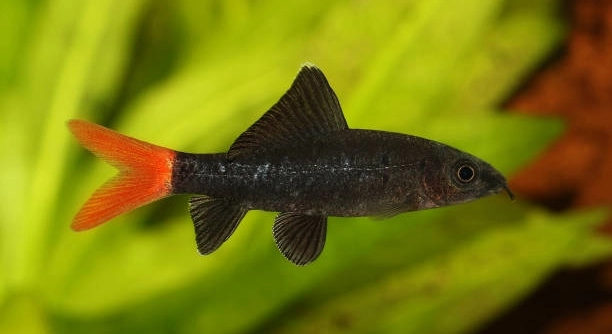
Have you ever brought home a new rainbow shark and felt unsure about how to help it adjust to its new environment?
Proper acclimation is essential to avoid stress and health issues when introducing a rainbow shark to a new tank. Gradually adjusting water parameters, providing hiding spots, and ensuring peaceful tankmates can significantly increase the chances of a smooth transition.
Learning the right approach helps maintain your rainbow shark’s health, reduces aggression, and creates a peaceful start in its new aquatic home.
Start with a Slow Introduction
The first step in acclimating your rainbow shark is to avoid rushing the process. Sudden changes in water conditions can shock the fish and cause long-term health issues. Begin by floating the bag containing your rainbow shark in the tank for about 20 minutes. This helps match the temperature gradually. After that, open the bag and slowly add small amounts of tank water every five minutes. Continue this for at least 30 minutes to allow the shark to adjust to pH and other water parameters. Once done, gently release the fish into the tank using a net, not by pouring water from the bag. Avoid turning on the tank lights right away. Let your rainbow shark explore quietly in low light to reduce stress. This method helps build a safe and comfortable entry into the new environment, setting the tone for better behavior and long-term health.
A slow introduction lowers the chance of shock and helps your fish respond calmly to the new surroundings.
When done patiently, this method gives your rainbow shark time to adjust to subtle changes in temperature and water chemistry. It helps prevent stress-related issues and allows the fish to settle in with fewer signs of fear or aggression.
Maintain Stable Water Conditions
A rainbow shark needs a clean and stable environment. Avoid sudden changes in water temperature, pH, and ammonia levels.
Use a heater to maintain a steady temperature between 75–81°F. Make sure the tank is fully cycled before adding your fish, as unstable nitrogen levels can be harmful. Check your water parameters with a reliable test kit, especially during the first few weeks. Weekly water changes of 20–25% help keep the tank clean and healthy. Avoid overfeeding, which can lead to water contamination. A quiet, well-maintained environment helps your rainbow shark stay calm. Stability is especially important during the first few days. Sudden changes in water conditions can trigger stress or aggressive behavior, especially in territorial fish like the rainbow shark. Use a gentle filter to avoid strong currents. Consider using live plants or smooth decorations to create a balanced environment. These additions not only help with water quality but also give your fish places to explore and feel secure.
Choose the Right Tankmates
Rainbow sharks can be territorial, especially in smaller tanks. Avoid placing them with other bottom-dwelling or aggressive fish. Peaceful, mid-to-top swimmers like barbs, gouramis, and danios make better companions in a spacious tank with plenty of room.
In a community tank, space is key to reducing conflict. A tank of at least 55 gallons is ideal, as it gives each fish room to claim their space. Rainbow sharks don’t do well with other sharks or fish that resemble them in size or shape. This often leads to fighting. Instead, pair them with species that swim in other areas of the tank. Avoid slow or long-finned fish, as rainbow sharks may nip them. Plants and decorations also help reduce tension by breaking the line of sight between fish. Providing proper tankmates and enough territory lowers stress and encourages better behavior.
Even if your shark seems calm at first, aggression can build over time, especially in cramped tanks or with the wrong fish. Keep a close eye on interactions during the first week. Look for signs like chasing, hiding, or damaged fins. Rearranging decorations can disrupt territorial patterns and reduce aggressive behavior if problems arise. Balance in the tank takes time, but it starts with compatible tankmates.
Provide Hiding Spots and Visual Barriers
Rainbow sharks feel more secure when they have access to hiding spots and blocked lines of sight. These spaces help reduce anxiety and give the fish a place to retreat when needed. Use caves, driftwood, or plants to create those private areas.
Territorial behavior is more common when the tank feels too open or lacks enough hiding places. When the fish has a defined space to call its own, it feels safer and is less likely to become aggressive. Spread out multiple hiding spots across the tank to allow every fish its own space. Avoid crowding one area, which may increase competition. Use decorations to break sightlines and reduce constant visual contact with tankmates. This helps prevent unnecessary stress and fights. Choose smooth, safe materials that won’t injure the fish as it explores or hides. Proper structure in the tank plays a big role in supporting long-term peace and comfort.
Feed a Balanced Diet
A healthy diet supports the rainbow shark’s immune system and helps reduce stress during acclimation. Offer a mix of high-quality sinking pellets, occasional live or frozen foods, and blanched vegetables like zucchini or spinach. Feed in small amounts once or twice daily.
Avoid overfeeding, especially in the first few days. Uneaten food can affect water quality and lead to digestive issues. Remove leftovers after a few minutes. Keeping the diet consistent and balanced makes your rainbow shark feel more comfortable and promotes better behavior as it adjusts to its new tank.
Observe Behavior Closely
Watch for signs of stress like hiding constantly, erratic swimming, or color fading. These may indicate poor water conditions or tankmate issues. Make adjustments early to avoid long-term problems and ensure a smoother acclimation period.
Use Dim Lighting at First
Keep lighting low for the first few days. This helps your rainbow shark adjust more calmly and reduces territorial behavior in the early stage.
FAQ
How long does it take for a rainbow shark to acclimate to a new tank?
Acclimation typically takes several days to a couple of weeks. During this time, the fish adjusts to water temperature, pH, and tank environment. Stress levels usually decrease once the fish feels safe and secure in its surroundings. Slow and steady acclimation helps prevent illness and aggressive behavior.
Can I add a rainbow shark to an established tank?
Yes, adding a rainbow shark to an established, well-cycled tank is best. Stable water parameters reduce stress and health risks. Make sure the tank is large enough to accommodate the shark’s territorial nature. Observe how existing fish react to the newcomer and be prepared to separate aggressive individuals if needed.
What tank size is recommended for a rainbow shark?
A minimum of 55 gallons is ideal for a single rainbow shark. This provides enough space to swim freely and establish territory without constant conflict. Larger tanks reduce stress and aggression, especially if you plan to keep other active or territorial fish. Crowded tanks can lead to injury and poor health.
Are rainbow sharks aggressive toward other fish?
Rainbow sharks can be territorial, especially toward fish that share their bottom-dwelling space. They tend to chase or nip at slow-moving or long-finned tankmates. Providing hiding spots and choosing peaceful mid-to-top swimmers as tankmates helps reduce aggression. Monitor interactions closely during the first few weeks.
What should I do if my rainbow shark is hiding all the time?
Hiding often can mean your rainbow shark is stressed or scared. Check water quality and tank conditions first. Ensure proper acclimation and reduce sudden changes in environment. Adding more hiding places can help the fish feel secure. Avoid bright lights and loud noises that may cause discomfort.
How often should I feed my rainbow shark?
Feed your rainbow shark once or twice daily with small portions. Overfeeding can pollute the water and cause digestive problems. Include a variety of sinking pellets, live or frozen foods, and occasional vegetables for balanced nutrition. Remove uneaten food promptly to maintain water quality.
Can rainbow sharks live with other bottom dwellers?
It is best to avoid housing rainbow sharks with other bottom-dwelling fish. They tend to compete for territory and can become aggressive. If you want a peaceful tank, select tankmates that swim at different levels and avoid those with similar body shapes or sizes.
What are common signs of illness in rainbow sharks?
Watch for lethargy, loss of appetite, faded colors, or unusual spots and marks. Rapid breathing or clamped fins may also indicate stress or disease. Early detection and treatment are key to recovery. Maintain stable water conditions and proper diet to help prevent illness.
Is it necessary to rearrange decorations when adding a rainbow shark?
Rearranging tank decorations can help disrupt established territories and reduce aggression. It creates a fresh environment for your fish to explore and claim new spaces. This practice is especially helpful if your rainbow shark shows signs of territorial disputes with other fish.
How important is water filtration for rainbow sharks?
Water filtration is crucial for maintaining clean, oxygen-rich water. A gentle filter prevents strong currents that may stress the fish. Regular maintenance, including cleaning or replacing filter media, ensures optimal water quality and a healthy environment for your rainbow shark.
Can rainbow sharks tolerate different water pH levels?
Rainbow sharks prefer slightly acidic to neutral pH levels, around 6.5 to 7.5. Sudden pH shifts can cause stress and health problems. Consistent monitoring and gradual adjustments help keep the environment stable and comfortable for your fish.
What is the best temperature range for a rainbow shark?
Maintain the tank temperature between 75°F and 81°F. Using a reliable heater ensures stable warmth, which is important for the fish’s metabolism and immune system. Avoid sudden temperature changes that could shock your rainbow shark.
How can I reduce aggression in a rainbow shark?
Providing enough space, proper tankmates, hiding spots, and stable water conditions reduces aggression. Avoid overcrowding and sudden environmental changes. Rearranging decorations and dimming lights temporarily can also help calm territorial behavior during acclimation.
Is it normal for rainbow sharks to swim quickly or dart around?
Active swimming is typical, but erratic or frantic darting may indicate stress or poor water quality. Ensure tank conditions are stable and avoid sudden disturbances. A well-acclimated rainbow shark will swim confidently but not frantically.
What role do plants play in a rainbow shark’s tank?
Plants offer shelter, reduce stress, and help maintain water quality by absorbing nitrates. Live plants provide natural hiding spots, which help reduce territorial disputes. Choose hardy species that can tolerate the bottom-dwelling fish’s occasional digging behavior.
How do I introduce a rainbow shark to new tankmates?
Introduce the rainbow shark after the other fish are settled. Keep a close watch for aggression. Rearranging tank decorations before introduction can help break territorial boundaries. Have a backup plan to separate fish if aggression becomes severe. Gradual introduction promotes better acceptance.
Acclimating a rainbow shark to a new tank takes time and patience. It is important to follow a slow and steady approach to help the fish adjust without stress. Sudden changes in water temperature, pH, or environment can harm the fish and cause illness. Floating the bag to match temperatures, gradually adding tank water, and carefully releasing the fish help make the transition smoother. Taking these steps seriously sets the foundation for your rainbow shark’s health and well-being in its new home.
Creating a stable and comfortable environment is key to keeping your rainbow shark happy. Maintaining consistent water conditions through regular testing and water changes is essential. The tank size should be large enough to reduce territorial behavior and provide space for the fish to swim freely. Choosing compatible tankmates and adding plenty of hiding spots will help reduce stress and aggression. Plants, decorations, and visual barriers support a peaceful atmosphere where the fish feels safe. Proper diet and observing the fish’s behavior also play important roles in its acclimation and long-term health.
Remember, every rainbow shark is unique and may take a different amount of time to settle in. Patience is necessary during this period. Watching closely for signs of stress or illness allows for timely action if problems arise. Consistency in care, water quality, and tank setup makes the biggest difference in a successful acclimation. When done right, your rainbow shark will adjust well and become a lively, healthy part of your aquarium. Taking these steps will give your fish the best chance to thrive and enjoy its new environment.

Hello,
If you enjoy the content that we create, please consider saying a "Thank You!" by leaving a tip.
Every little bit helps us continue crafting quality advice that supports the health, happiness, and well-being of pets around the world, for pets of all shapes, sizes, and species.
We really appreciate the kindness and support that you show us!