
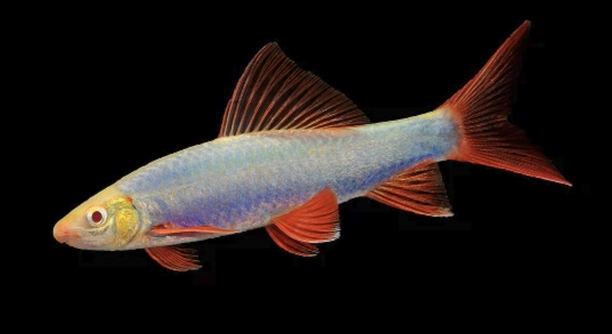
Keeping a Rainbow Shark healthy requires regular attention to its tank environment. Proper maintenance helps prevent common problems like poor water quality and stress for your fish. This article offers clear tips to support your tank’s well-being.
Maintaining a Rainbow Shark’s tank involves consistent cleaning, monitoring water parameters, and providing proper filtration to ensure a stable and healthy aquatic environment for the fish. These steps reduce toxins and promote the fish’s natural behavior and longevity.
Following these simple practices can improve your fish’s health and make tank care easier. Proper upkeep benefits both you and your aquatic pet over time.
Keep the Tank Clean with Regular Water Changes
Regular water changes are essential for a Rainbow Shark’s tank. Removing about 20-30% of the water weekly helps reduce waste buildup and keeps nitrate levels low. Dirty water can cause stress and illness in fish. Use a gravel vacuum to clean the substrate and remove uneaten food or debris. Be careful not to disturb the decorations too much, as this can stress the fish. Always treat tap water with a conditioner before adding it back to the tank to remove harmful chemicals like chlorine. Keeping the water clean creates a healthier environment and supports your fish’s immune system.
Water changes should be done consistently to maintain water quality and prevent sudden changes that can shock your Rainbow Shark.
Aside from water changes, regular cleaning of the tank walls and equipment is important. Algae can build up and reduce oxygen levels. Use an algae scraper on the glass and rinse filters as needed without using soap or detergents. Clean filters help maintain water flow and keep the tank environment stable. Monitoring these small tasks helps keep your Rainbow Shark comfortable and healthy every day.
Monitor Water Temperature and Quality
Rainbow Sharks thrive in temperatures between 74°F and 80°F. Maintaining this range is important for their metabolism and activity. Sudden temperature changes can weaken their immune system and lead to stress-related diseases.
Test the water regularly for pH, ammonia, nitrite, and nitrate levels. The ideal pH for Rainbow Sharks is around 6.5 to 7.5. Ammonia and nitrite should always be at zero, as these are toxic to fish. Nitrates should be kept below 20 ppm to avoid long-term harm. Use reliable water test kits and record your results to track any changes over time. If levels are off, act quickly by doing partial water changes or adjusting filtration. Proper monitoring ensures a safe, stable habitat where your Rainbow Shark can thrive for years.
Provide Adequate Tank Size and Hiding Spots
Rainbow Sharks need enough space to swim and explore. A tank of at least 30 gallons is recommended to prevent overcrowding and stress. Adding plants and decorations creates hiding spots where they can feel safe and secure.
Space helps reduce aggressive behavior. These fish can be territorial, especially in smaller tanks. Hiding places allow them to retreat when they feel threatened, lowering stress levels. Artificial or live plants work well, along with rocks or caves. Make sure decorations do not have sharp edges that could harm your fish.
A well-structured environment encourages natural behavior like exploring and resting. It also helps maintain peace if you keep other fish with your Rainbow Shark. Giving them room and cover supports their overall well-being and reduces conflicts in the tank.
Feed a Balanced Diet
Rainbow Sharks need a varied diet to stay healthy. High-quality sinking pellets or wafers form the main part of their food. Supplement this with occasional live or frozen foods like bloodworms or brine shrimp to add protein and nutrients.
Avoid overfeeding, which can cause water quality issues and obesity. Feed small amounts once or twice daily, giving only what they can eat in a few minutes. Remove leftover food promptly to keep the tank clean. Offering fresh vegetables like blanched zucchini or peas can provide fiber and improve digestion. Variety in their diet keeps Rainbow Sharks active and vibrant, supporting their immune system and growth. Proper feeding habits contribute to a balanced and thriving aquatic environment.
Maintain Proper Filtration
A strong filtration system is key to keeping your Rainbow Shark’s tank clean and healthy. It removes waste, toxins, and excess food, helping maintain stable water conditions.
Choose a filter rated for your tank size to ensure efficient water turnover and oxygenation. Regularly check and clean filter media without using harsh chemicals.
Avoid Overcrowding the Tank
Too many fish in one tank cause stress and poor water quality. Overcrowding leads to increased waste and aggression among fish, including Rainbow Sharks.
Keep a suitable number of fish according to tank size to create a balanced environment. This helps all tank inhabitants stay healthy and comfortable.
Watch for Signs of Illness
Observe your Rainbow Shark daily for unusual behavior or physical changes. Common signs of illness include loss of appetite, spots, or frayed fins.
Early detection allows prompt treatment, increasing chances of recovery and preventing the spread of disease to other fish.
FAQ
How often should I change the water in my Rainbow Shark’s tank?
Water changes should be done weekly, replacing about 20-30% of the tank water each time. This keeps nitrate levels low and removes waste that builds up over time. Regular water changes help prevent stress and illness in your fish by maintaining a clean environment.
What is the ideal tank size for a Rainbow Shark?
A minimum tank size of 30 gallons is recommended. Rainbow Sharks are active swimmers and can become territorial, so they need enough space to move freely and establish their own area. A larger tank helps reduce aggression and supports their overall health.
Can Rainbow Sharks live with other fish?
Yes, but it’s important to choose tank mates carefully. Avoid slow-moving or very small fish, as Rainbow Sharks can be territorial and aggressive. Suitable companions include larger, fast-swimming fish that can hold their own, such as danios or barbs. Always monitor interactions closely.
What should I feed my Rainbow Shark?
Feed a balanced diet of high-quality sinking pellets or wafers, supplemented with live or frozen foods like bloodworms or brine shrimp. Offering blanched vegetables like zucchini or peas occasionally supports digestion. Feed small amounts once or twice daily, removing uneaten food promptly.
How do I maintain proper water temperature?
Keep the water temperature between 74°F and 80°F. Use a reliable aquarium heater with a thermostat to maintain stability. Sudden temperature changes can stress your fish, so avoid placing the tank near windows, vents, or heaters that cause fluctuations.
Why is my Rainbow Shark hiding all the time?
Hiding is normal behavior if your fish feels stressed or threatened. Lack of hiding spots, overcrowding, or poor water conditions can increase hiding. Providing plants, caves, or decorations gives them places to retreat, which helps reduce stress and encourages natural activity.
How do I know if my Rainbow Shark is sick?
Look for signs like loss of appetite, lethargy, clamped fins, spots, or frayed fins. Changes in swimming behavior or breathing can also indicate illness. Early detection allows for quicker treatment and better chances of recovery. Regular observation is important.
What kind of filter is best for a Rainbow Shark tank?
A filter rated for at least your tank size with good mechanical, chemical, and biological filtration is best. Canister filters or hang-on-back filters work well. Clean the filter media regularly but avoid washing it with soap or hot water, as this can kill beneficial bacteria.
How often should I clean the tank walls and decorations?
Clean the glass walls weekly using an algae scraper or pad. Rinse decorations monthly to remove algae and debris. Avoid harsh chemicals to prevent harming your fish. Keeping the tank clean improves water quality and visibility.
Can Rainbow Sharks live in planted tanks?
Yes, they do well in planted tanks as plants provide hiding spots and improve water quality. Use hardy plants that can tolerate active fish, such as Java fern or Anubias. Secure plants well to prevent uprooting during their swimming or digging behavior.
Is it necessary to cycle the tank before adding a Rainbow Shark?
Absolutely. Cycling establishes beneficial bacteria that break down harmful ammonia and nitrites. Introducing your fish into an uncycled tank can cause toxic conditions and stress. Test the water for ammonia, nitrites, and nitrates before adding fish.
How do I prevent aggression in my Rainbow Shark?
Provide enough space and hiding spots to reduce territorial disputes. Avoid overcrowding and choose compatible tank mates. Keeping the environment stable and feeding adequately also helps lower stress and aggression.
What should I do if water parameters are off?
Perform partial water changes to dilute toxins and improve conditions. Check filtration and adjust as needed. Retest water regularly until levels stabilize. Using water conditioners and avoiding overfeeding also helps maintain balance.
Can Rainbow Sharks jump out of the tank?
Yes, they are known to jump occasionally. Use a secure lid or cover to prevent escapes. Keep the tank environment comfortable to reduce jumping caused by stress or poor water quality.
How long do Rainbow Sharks typically live?
With proper care, Rainbow Sharks can live between 5 and 8 years. Maintaining stable water conditions, a balanced diet, and a stress-free environment supports their longevity. Regular maintenance is key to their health.
Taking good care of a Rainbow Shark requires attention to several important factors. Proper tank maintenance helps keep your fish healthy and active. Regular water changes, cleaning the tank, and monitoring water quality are essential parts of tank care. These steps remove waste and toxins that could harm your fish. Providing enough space and hiding spots creates a comfortable environment where your Rainbow Shark can feel safe. Feeding a balanced diet and avoiding overfeeding also support its overall health. Paying attention to these details ensures your fish lives a long and happy life.
Filtration plays a big role in maintaining water quality. A good filter helps remove waste and keeps the water clear. It is important to clean the filter regularly but gently so the helpful bacteria inside can continue to work well. The bacteria break down harmful chemicals in the water, making it safer for your fish. Temperature control is another important factor. Rainbow Sharks do best in water between 74°F and 80°F. Keeping the temperature steady helps prevent stress and illness. Testing the water for pH, ammonia, nitrites, and nitrates ensures the tank environment stays healthy and balanced.
Watching your Rainbow Shark daily can help you notice any signs of illness or stress early. Changes in behavior, appetite, or appearance may indicate health problems. Taking quick action when problems arise can improve your fish’s chance of recovery. Avoid overcrowding your tank and choose suitable tank mates to reduce aggression and stress. By combining all these care practices, you create a stable, safe habitat that meets your Rainbow Shark’s needs. With regular maintenance and attention, your fish can thrive and bring enjoyment for many years.

Hello,
If you enjoy the content that we create, please consider saying a "Thank You!" by leaving a tip.
Every little bit helps us continue crafting quality advice that supports the health, happiness, and well-being of pets around the world, for pets of all shapes, sizes, and species.
We really appreciate the kindness and support that you show us!