
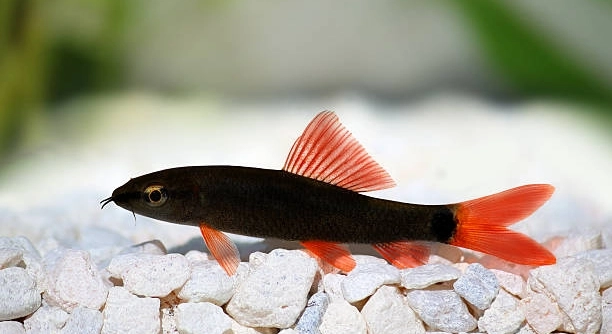
Rainbow Sharks are popular aquarium fish, known for their vibrant colors and active behavior. Keeping them healthy requires understanding their needs and preventing common illnesses. Proper care is essential to ensure they thrive in a home environment.
Preventing illness in Rainbow Sharks involves maintaining clean water conditions, providing a balanced diet, avoiding overcrowding, monitoring for signs of stress, and ensuring stable tank parameters. Regular tank maintenance and early intervention reduce the risk of disease significantly.
Following these guidelines will help keep your Rainbow Shark healthy and active, making your aquarium a vibrant and enjoyable space.
Keep the Water Clean and Stable
Maintaining clean water is the most important part of caring for your Rainbow Shark. Dirty water can quickly cause stress and illness. Change about 20-25% of the tank water every week to keep it fresh. Use a good water conditioner to remove harmful chemicals like chlorine. Test the water regularly for ammonia, nitrites, and nitrates. The ideal temperature should stay between 75 and 79 degrees Fahrenheit. Keep the pH level around 6.5 to 7.5, as Rainbow Sharks are sensitive to sudden changes. Avoid overcrowding your tank, as it can lead to waste buildup and poor water quality. A well-filtered tank helps maintain oxygen levels and reduces debris. Proper filtration combined with regular cleaning of the tank decorations and substrate prevents bacteria growth that can cause disease.
Consistent water quality helps prevent infections and keeps your fish active. It also reduces stress, which can weaken their immune system.
Setting up a reliable cleaning routine might seem like extra work, but it protects your Rainbow Shark’s health and keeps the tank looking beautiful. Over time, you will find this care simple and rewarding.
Feed a Balanced Diet
Feeding your Rainbow Shark a varied diet supports their immune system and overall well-being. Avoid overfeeding to prevent water pollution.
Rainbow Sharks eat mostly algae and small invertebrates in the wild, so a diet including algae wafers, sinking pellets, and occasional live or frozen foods works best. Vegetables like zucchini or spinach can be added occasionally for extra nutrients. Feed them small amounts once or twice daily, only what they can consume in a few minutes. Overfeeding leads to leftover food, which rots and harms water quality. Uneaten food can also cause digestive problems in your fish. Fresh, high-quality food supports their vibrant colors and energy levels. Including protein sources like bloodworms or brine shrimp every few days helps meet their dietary needs. A varied diet reduces the chance of nutritional deficiencies that weaken their immune defenses.
Monitor their eating habits and adjust portions to avoid waste. Balanced nutrition is a key step to preventing illness and ensuring your Rainbow Shark stays lively.
Watch for Signs of Stress
Stress weakens your Rainbow Shark’s immune system, making it more vulnerable to illness. Keep an eye on their behavior and appearance.
Common signs of stress include hiding, loss of appetite, rapid breathing, or faded colors. These may indicate poor water conditions, bullying from tank mates, or unsuitable tank setup. Addressing these issues quickly is essential to prevent health problems. Ensure the tank has enough hiding spots and avoid overcrowding. Stress can also result from sudden changes in temperature or water quality. Minimizing disruptions and maintaining stable conditions helps your fish feel secure. When you notice stress signs early, it becomes easier to treat the cause before it worsens.
Creating a calm environment with stable water and peaceful tank mates supports your Rainbow Shark’s well-being. Consistent observation lets you catch problems before they affect your fish’s health.
Maintain Proper Tank Conditions
The size of your tank and its environment affect your Rainbow Shark’s health. A tank of at least 30 gallons is needed to provide enough space for swimming and hiding. Avoid sharp decorations that could injure your fish. Smooth rocks and plants are better choices. Water flow should be moderate to mimic their natural habitat, helping them stay active and healthy. Use a reliable filter to keep water clean and oxygenated. Keep the lighting moderate; too much light can stress them, while too little can reduce their activity. Maintaining stable temperature and pH levels reduces the risk of illness and helps your Rainbow Shark thrive in captivity. Regular monitoring and adjustments are necessary to create a balanced environment.
Avoid Overcrowding the Tank
Overcrowding increases stress and waste buildup, which can lead to illness. Keep the number of fish appropriate for your tank size.
Too many fish compete for food and oxygen, causing aggression and poor health. Space is important for Rainbow Sharks to swim freely and feel safe.
Quarantine New Fish
Quarantining new fish before adding them to your main tank prevents introducing diseases. Use a separate tank for at least two weeks to monitor their health. This practice helps avoid spreading infections to your Rainbow Shark and keeps the community tank safe.
Provide Proper Lighting
Balanced lighting supports natural behavior and helps maintain healthy tank conditions. Avoid excessive brightness or darkness, which can stress your fish and disrupt their routine.
FAQ
How often should I change the water in my Rainbow Shark’s tank?
Changing about 20-25% of the water weekly is ideal. This keeps the water clean and reduces toxins. Avoid changing too much at once, as it can shock your fish. Regular partial changes maintain stable water conditions that Rainbow Sharks need.
What are common signs of illness in Rainbow Sharks?
Look for faded colors, clamped fins, loss of appetite, rapid breathing, and unusual swimming patterns. White spots or patches may indicate infections like ich. Early detection helps treat problems before they become severe.
Can Rainbow Sharks live with other fish?
Yes, but choose peaceful, similar-sized tank mates. Avoid small or slow fish, as Rainbow Sharks can be territorial. Provide plenty of hiding spots to reduce aggression. Overcrowding increases stress and conflict.
What temperature is best for Rainbow Sharks?
Maintain water temperature between 75 and 79 degrees Fahrenheit. Sudden changes can stress your fish. Use a reliable heater and thermometer to keep the temperature stable.
What should I feed my Rainbow Shark?
A balanced diet includes algae wafers, sinking pellets, and occasional live or frozen foods like bloodworms or brine shrimp. Adding vegetables like zucchini occasionally helps provide vitamins. Avoid overfeeding to keep water quality high.
How can I reduce stress for my Rainbow Shark?
Keep water clean, stable, and well-filtered. Avoid overcrowding and sudden changes in the environment. Provide hiding places and moderate lighting. Observing your fish regularly helps spot stress signs early.
Why is quarantining new fish important?
Quarantine prevents spreading diseases to your main tank. A separate tank for two weeks lets you monitor new fish and treat any illnesses before introduction. This keeps your Rainbow Shark and other tank mates healthier.
What kind of tank setup works best?
A tank of at least 30 gallons with smooth decorations and plants is ideal. Moderate water flow mimics their natural habitat and encourages activity. Avoid sharp or rough decorations that could injure your fish.
Can poor water quality cause illness?
Yes, poor water quality is the main cause of many Rainbow Shark illnesses. Ammonia, nitrites, and nitrates build up quickly in crowded or unclean tanks, leading to stress and infections.
How do I know if my Rainbow Shark is stressed?
Signs include hiding frequently, loss of appetite, faded colors, and unusual swimming. Stress often comes from overcrowding, poor water conditions, or aggressive tank mates. Acting quickly can prevent illness.
What diseases commonly affect Rainbow Sharks?
Ich (white spot disease), fin rot, and bacterial infections are common. Most diseases occur due to stress and poor water quality. Maintaining good tank conditions and nutrition helps prevent these problems.
Is it necessary to use a water conditioner?
Yes, water conditioners remove harmful chemicals like chlorine and heavy metals from tap water. Using them during water changes protects your fish from irritation and poisoning.
How much light do Rainbow Sharks need?
Moderate lighting supports their natural behavior. Too much light can cause stress and algae growth. Too little light reduces activity. Aim for about 8-10 hours of light daily with a timer.
How often should I feed my Rainbow Shark?
Feed small amounts once or twice daily. Only give what your fish can eat in a few minutes to avoid leftover food that pollutes the tank. Proper feeding helps maintain water quality and fish health.
Can Rainbow Sharks live without plants in the tank?
While they can survive without live plants, adding plants provides hiding spots and improves water quality. Live plants help reduce stress and offer natural grazing opportunities. Choose hardy plants suitable for your tank.
What should I do if my Rainbow Shark gets sick?
Isolate the sick fish if possible to prevent spreading disease. Check water quality and correct any issues. Use appropriate medication based on the diagnosis. Early treatment is important for recovery.
How important is tank size for preventing illness?
Tank size is crucial. A tank that is too small leads to poor water quality and stress. Rainbow Sharks need at least 30 gallons for comfortable swimming space and to reduce territorial behavior.
Can temperature fluctuations cause health problems?
Yes, sudden temperature changes weaken the immune system and can trigger illness. Keep the water temperature steady with a reliable heater and monitor it regularly.
Should I clean the tank decorations and substrate?
Yes, regular cleaning prevents buildup of waste and harmful bacteria. Use tank water to rinse decorations to preserve beneficial bacteria. Avoid harsh chemicals that can harm your fish.
What role does oxygenation play in Rainbow Shark health?
Good oxygen levels support respiration and overall health. Use a filter and possibly an air stone to increase oxygen. Stagnant water lowers oxygen and increases stress and illness risk.
How do I prevent fin rot?
Maintain clean water and avoid injuries by using smooth decorations. Quarantine new fish to prevent infections. Proper diet and reducing stress also lower the chance of fin rot developing.
Can Rainbow Sharks be aggressive?
They can show territorial behavior, especially in small or crowded tanks. Providing hiding spots and enough space reduces aggression. Avoid keeping them with very small or slow fish.
Is it necessary to use a tank cover?
Yes, Rainbow Sharks are active swimmers and may jump. A secure lid prevents escapes and protects your fish from injury.
How long do Rainbow Sharks typically live?
With proper care, they can live 6-10 years. Good water quality, balanced diet, and stress prevention are key to a long, healthy life.
Taking care of a Rainbow Shark requires attention to several important factors. Maintaining clean and stable water conditions is the foundation of their health. Regular water changes, proper filtration, and monitoring of water parameters help prevent many common illnesses. Providing a balanced diet that includes both plant-based and protein-rich foods supports their immune system and keeps their colors bright. Avoiding overcrowding and choosing compatible tank mates also reduces stress, which is a major cause of disease in these fish.
It is important to watch your Rainbow Shark closely for signs of stress or illness. Changes in behavior, appetite, or appearance can indicate that something is wrong. Acting quickly by checking water quality, adjusting tank conditions, or seeking treatment can make a big difference. Quarantining new fish before adding them to the main tank is another key step in protecting your Rainbow Shark’s health. Creating an environment with enough space, hiding spots, and moderate lighting helps your fish feel secure and thrive.
Keeping a Rainbow Shark healthy takes commitment but becomes easier with routine care. Regular maintenance and observation reduce the chances of illness and help your fish live a longer, happier life. By understanding their needs and providing proper care, you can enjoy the beauty and activity of your Rainbow Shark for many years. Consistency and attention to detail are the best ways to prevent problems and support your fish’s well-being.

Hello,
If you enjoy the content that we create, please consider saying a "Thank You!" by leaving a tip.
Every little bit helps us continue crafting quality advice that supports the health, happiness, and well-being of pets around the world, for pets of all shapes, sizes, and species.
We really appreciate the kindness and support that you show us!